
How can I identify high-quality craftsmanship in second-hand jewellery?
Identifying high-quality craftsmanship in second-hand jewellery involves close examination of detailed elements such as the precision of metal settings, symmetry in design, and the condition of stones. Look for hallmark stamps indicating metal purity, and inspect the quality of stone cuts, ensuring they reflect light evenly without visible imperfections. Such factors are key indicators of excellence in craftsmanship, reflecting both aesthetic appeal and durability.
Identifying high-quality craftsmanship in second-hand jewellery requires a keen eye for detail and a comprehensive understanding of key elements that signify excellence. Begin by examining the metalwork; high-quality pieces often exhibit precise, well-finished settings with no signs of uneven soldering or visible joints. The metal should feel substantial and smooth to the touch, with consistent colouring throughout. Look for hallmark stamps which confirm the purity of metals like gold, platinum, or silver, offering immediate assurance regarding the piece’s authenticity.
Attention should also be directed towards the gemstones. Inspect their cuts; stones should reflect light evenly and possess symmetry and clarity that enhance their brilliance. Check for any visible inclusions or surface scratches that may affect the stone’s appeal and integrity. The setting of the stones is another critical factor; expertly set gemstones indicate that careful craftsmanship has gone into the piece, preventing the stones from becoming loose or misaligned over time.
Understanding the design and execution of a jewellery piece further highlights quality craftsmanship. High-end jewellery often presents a harmonious design that balances aesthetics with practicality. This means sophisticated but not overly complex patterns, with each element authentically contributing to the overall beauty and function of the piece. Symmetry and proportion are key indicators, as even the slightest imbalance can detract from the jewellery’s allure.
Finally, an in-depth appraisal of the jewellery’s condition can reveal the care with which it was handled and maintained over time. Look for any signs of repairs, such as replaced clasps or re-tipped prongs. While these are not inherently negative, they should be evaluated in the context of the piece’s age and overall condition. Regular maintenance can enhance a piece’s longevity, so consideration of an item’s aftercare history might also provide extra insight into its craftsmanship.
By carefully evaluating these factors, you can make a well-informed judgement about the quality of craftsmanship in second-hand jewellery, helping to ensure any acquisition is a valuable and enduring addition to your collection.
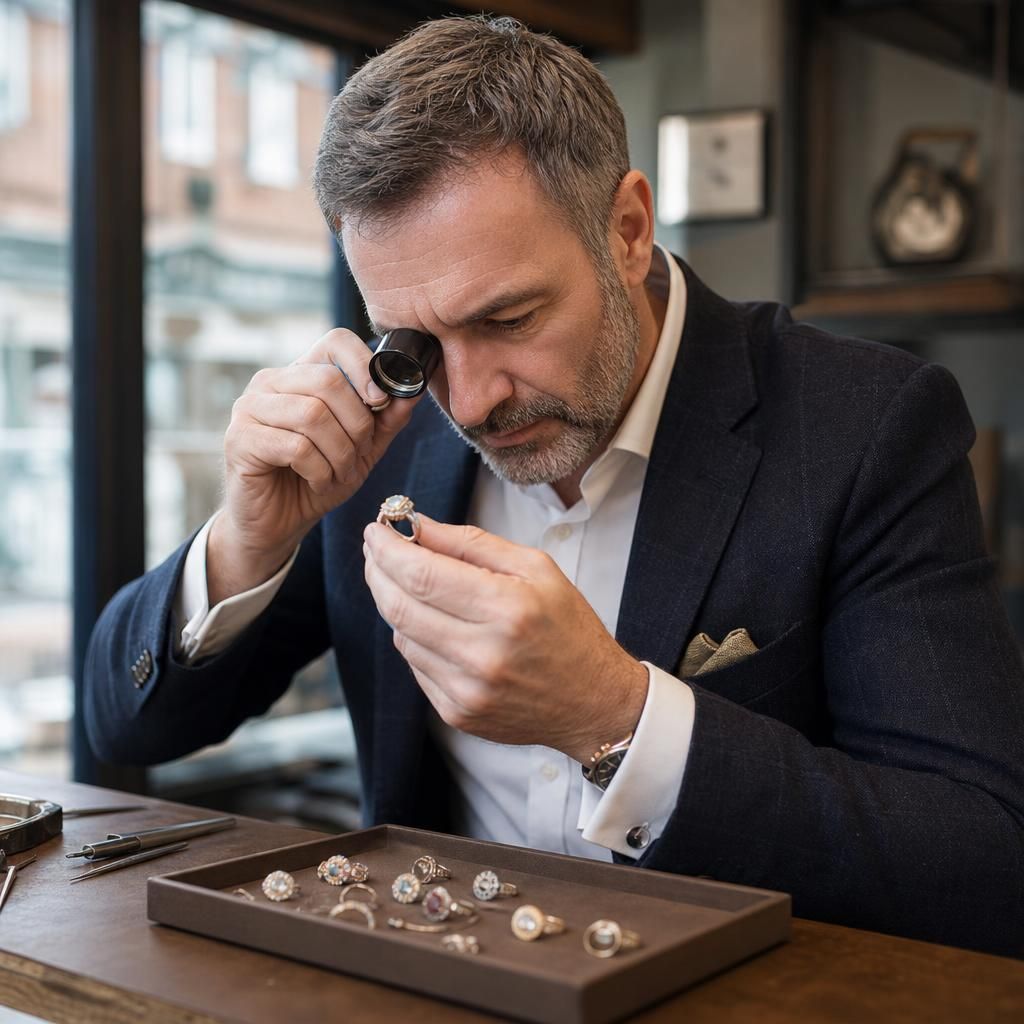
One of the most definitive ways to recognize high-quality craftsmanship in second-hand jewellery is by examining the stone setting technique. A finely crafted piece will feature securely set stones that align perfectly within their settings, showcasing uniformity and precision. The settings should demonstrate meticulous attention to detail, ensuring the stones are protected and positioned to maximise their brilliance. Be on the lookout for prongs or bezels that hold the gemstones steadily without any looseness, as well as absence of excess metal, indicating precise workmanship.