
Understanding Engagement Ring Settings and Cuts: A Comprehensive Guide for Buyers
Engagement ring settings and cuts play a pivotal role in the overall aesthetics, value, and functionality of the ring. The setting refers to how the gemstones are mounted or secured on the band, with common styles including prong, bezel, tension, and pave settings. Prong settings, often used for solitaire rings, involve metal claws holding the stone, allowing maximum light exposure. Bezel settings encompass the stone with a metal rim, providing a sleek and protective frame. Tension settings use the band itself to hold the gemstone, offering a modern look, while pave settings feature small gemstones embedded along the band, enhancing sparkle.
The cut of a diamond or gemstone is another critical factor, influencing not only the visual appeal but also the stone’s brilliance and fire. Popular cuts include round, princess, oval, emerald, and cushion. Round cuts are celebrated for their timeless symmetry and brilliance, making them a top choice for many. The princess cut, known for its square shape and versatility, offers excellent sparkle with a modern touch. Oval cuts provide an elongated silhouette that enhances the size appearance of the stone, whereas emerald cuts emphasize clarity and geometric lines. Cushion cuts, with their rounded corners and larger facets, carry an antique charm. Understanding these elements is essential when selecting an engagement ring, ensuring the final piece aligns with personal style and preferences.
Explore Engagement Ring Settings & Cuts
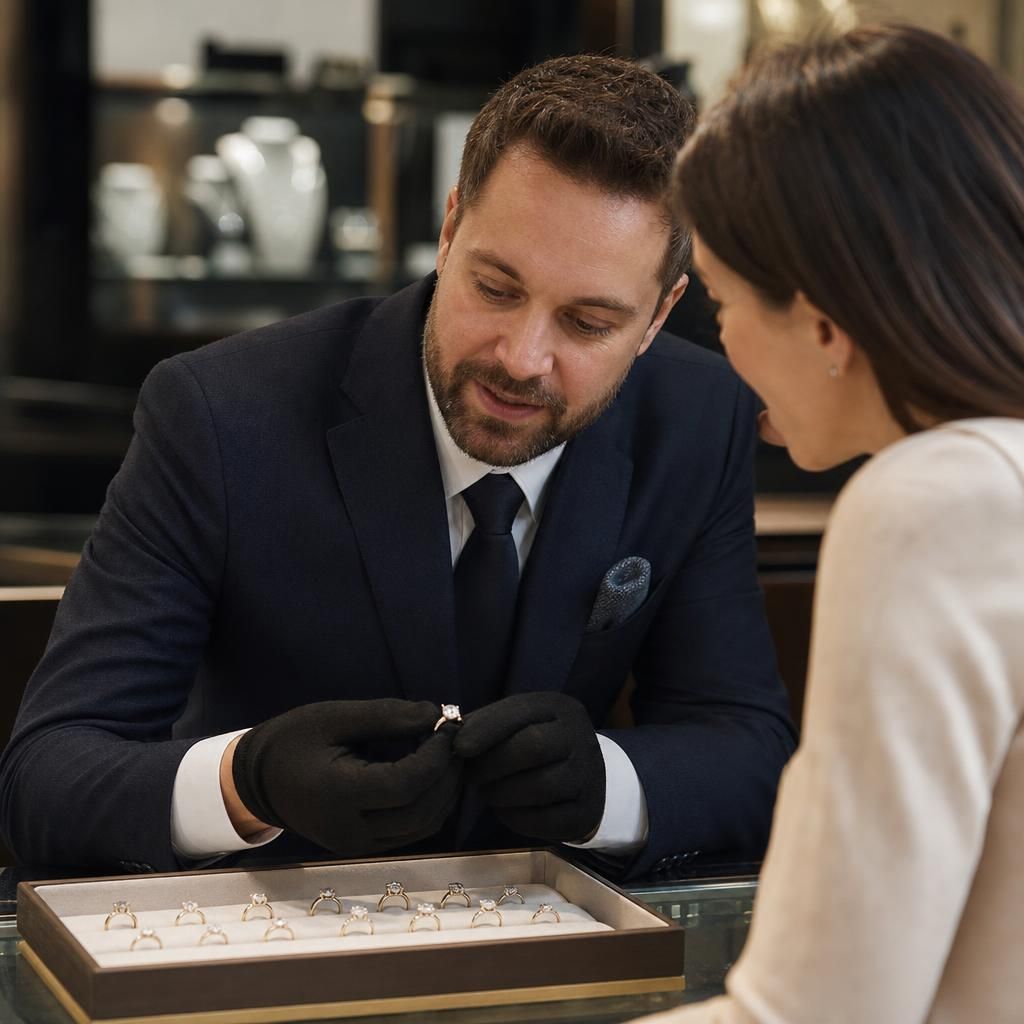
Prong Setting
Prong settings use metal claws to secure the gemstone, allowing maximum light exposure and brilliance. Ideal for solitaire styles, they highlight the stone's natural beauty.
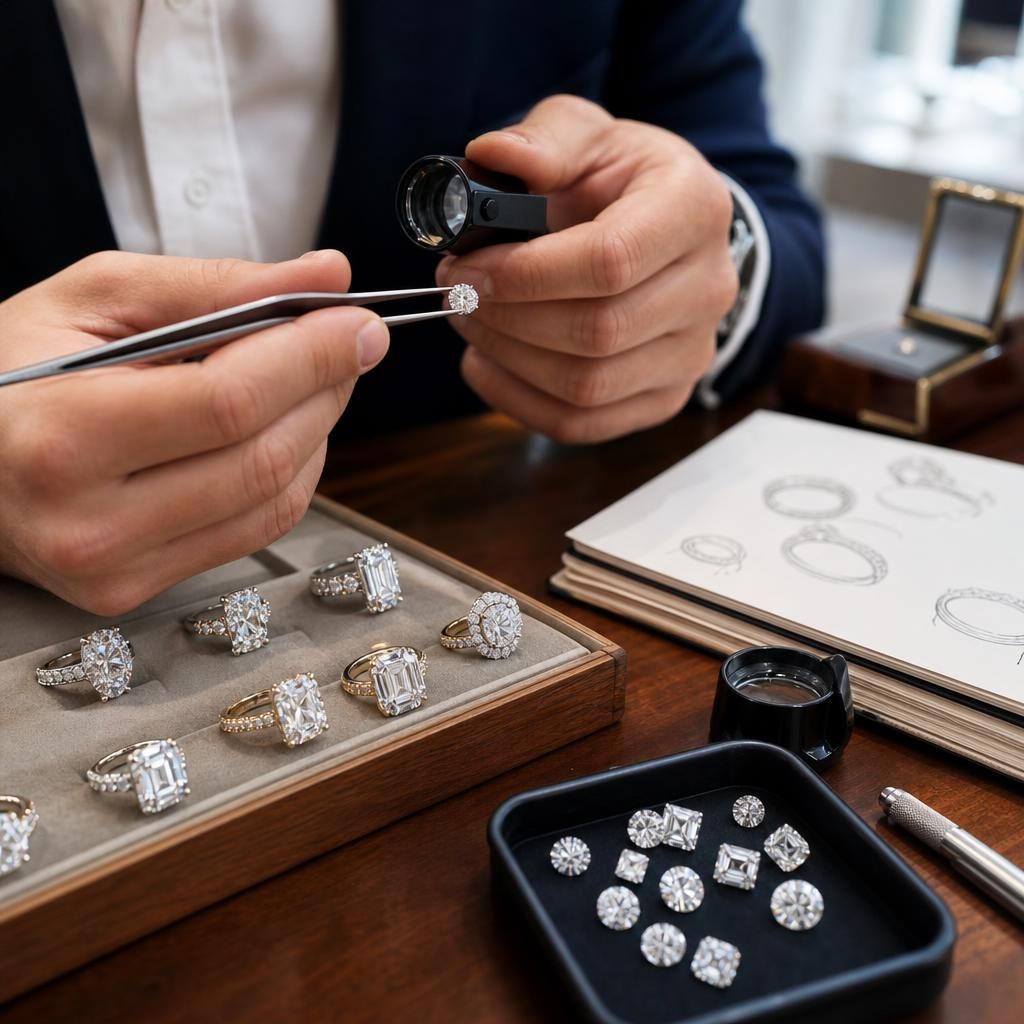
Bezel Setting
Bezel settings encase the gemstone in a thin metal rim, providing added protection and a sleek, modern look. Suitable for active lifestyles and those seeking durability.
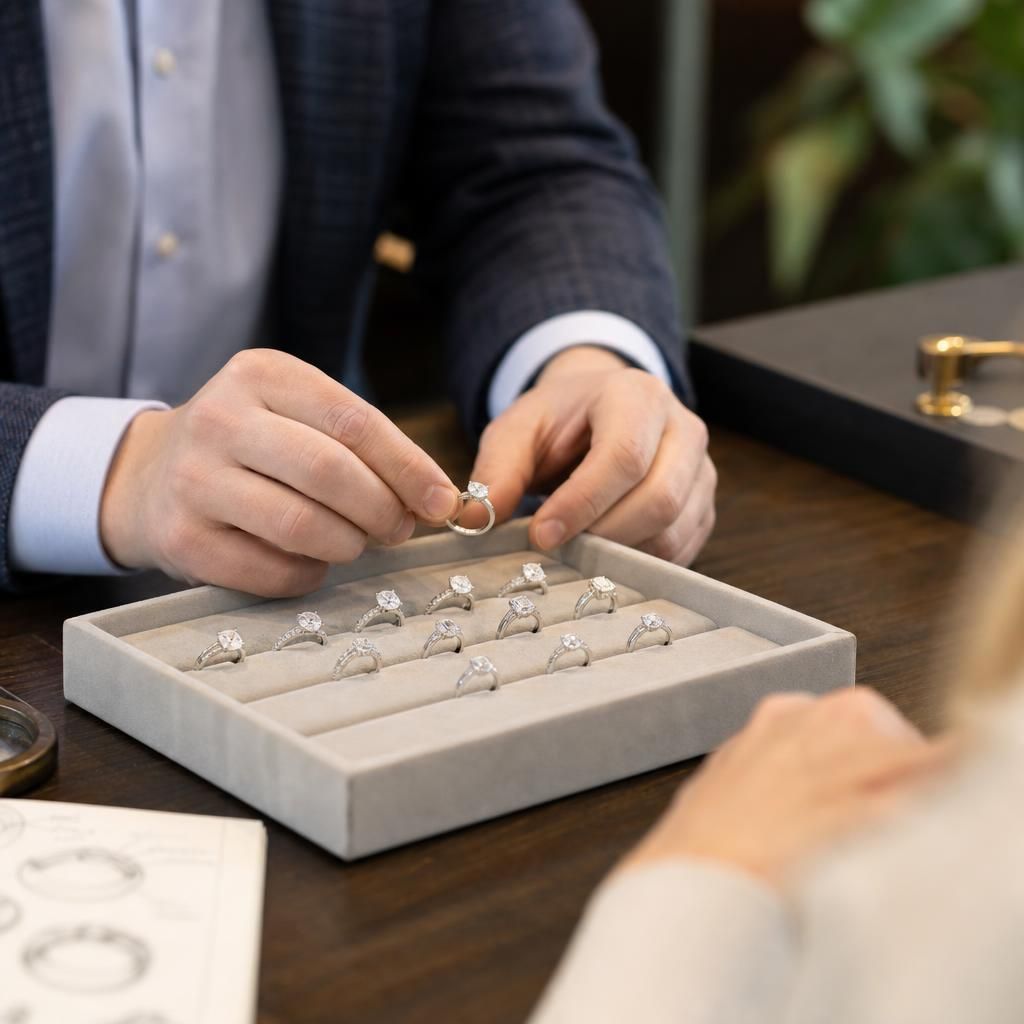
Tension Setting
Tension settings use the band itself to hold the stone in place, offering a unique and contemporary aesthetic. This setting maximises the stone's visibility with minimal metal interference.

Pavé Setting
Pavé settings involve a series of small gemstones along the band to enhance the overall sparkle. This style complements the central stone by creating a continuous shimmer.
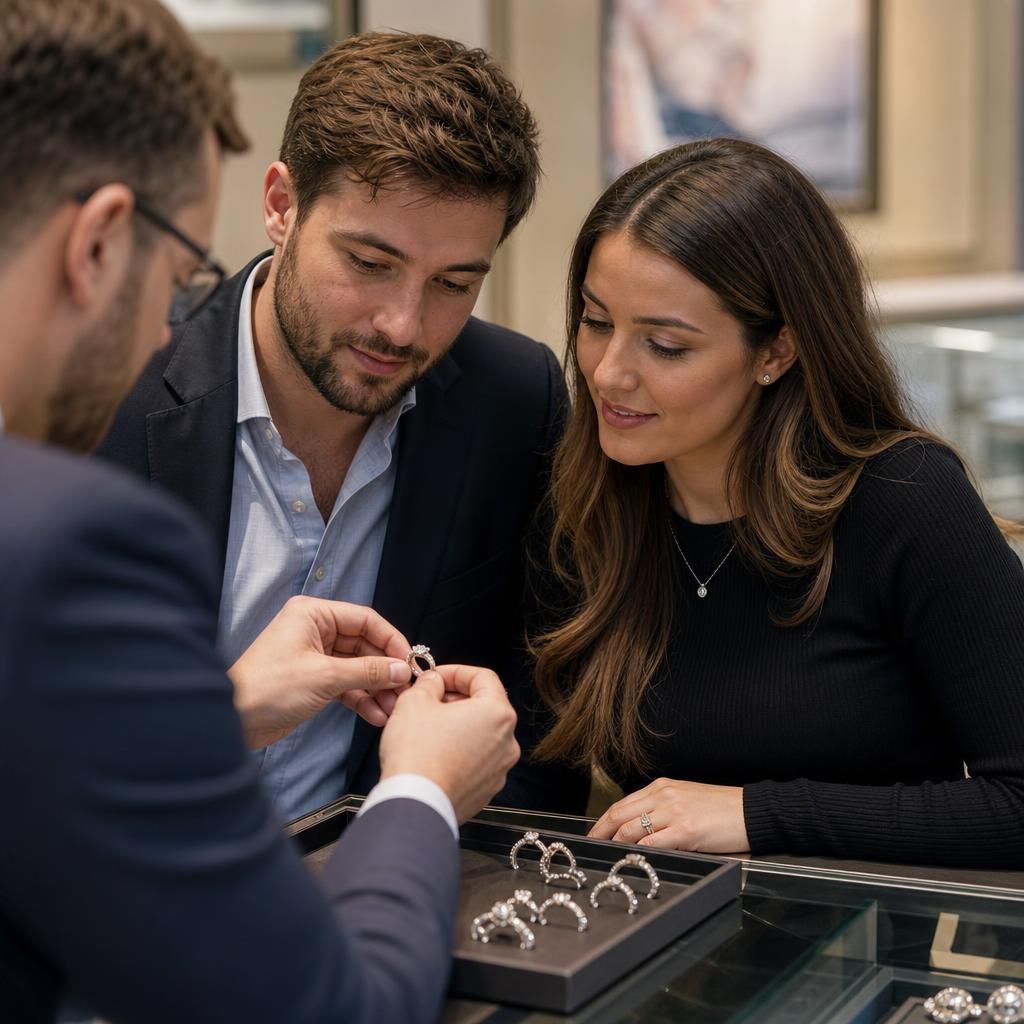
Round Cut
Round cuts provide exceptional light performance and a timeless visual appeal. Known for their brilliant sparkle, they remain a popular choice for engagement rings.
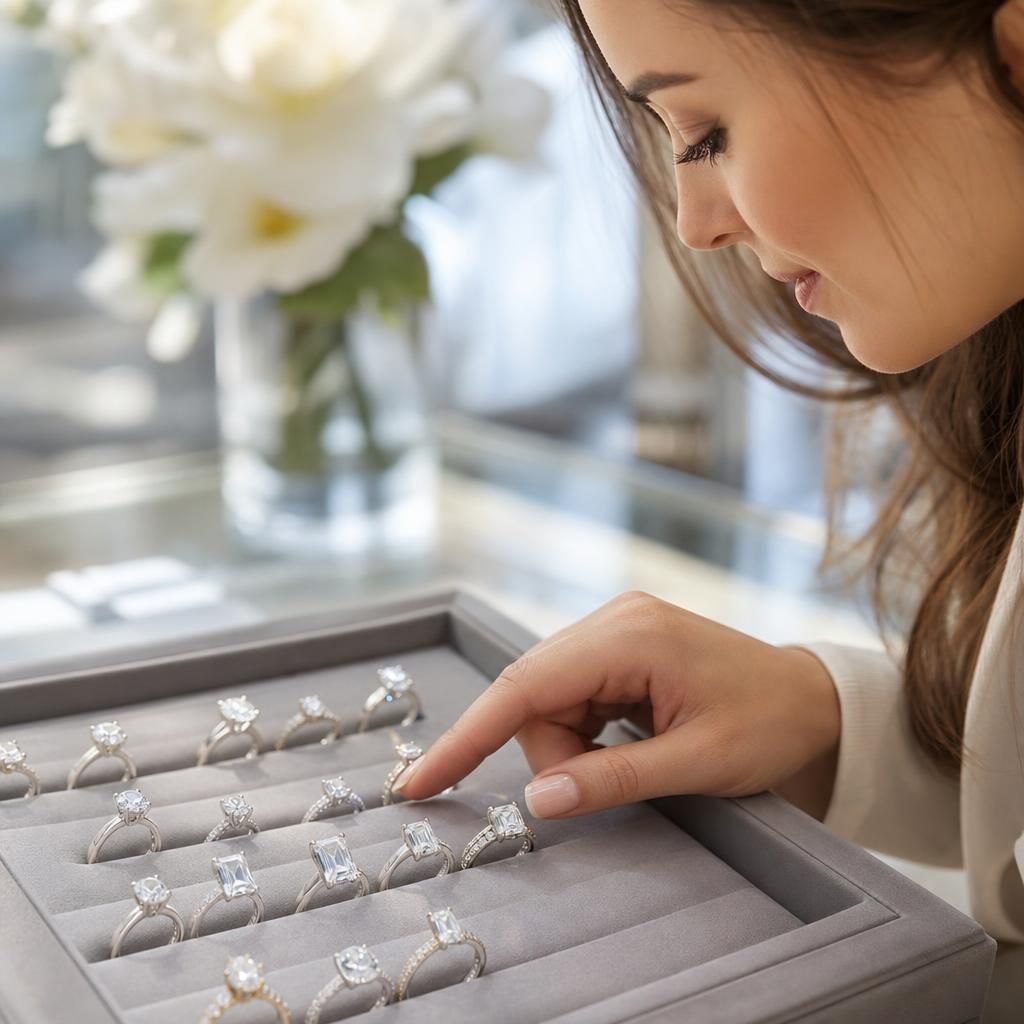
Princess Cut
The princess cut features a square shape with pointed corners, offering modern elegance and dynamic scintillation. It's an excellent choice for those desiring a contemporary style.
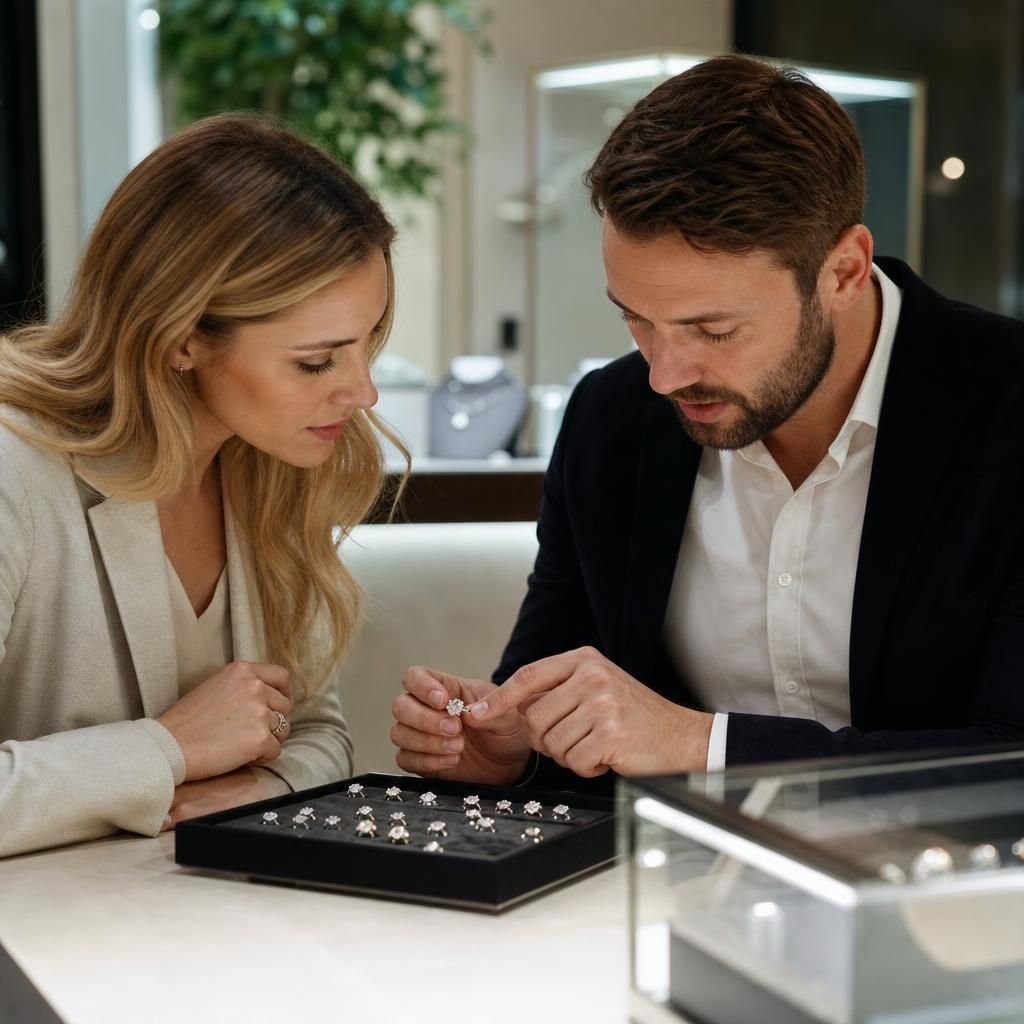
Oval Cut
Oval cuts elongate the stone's appearance, accentuating its size while maintaining brilliant sparkle. This cut is perfect for a distinctive yet timeless look.
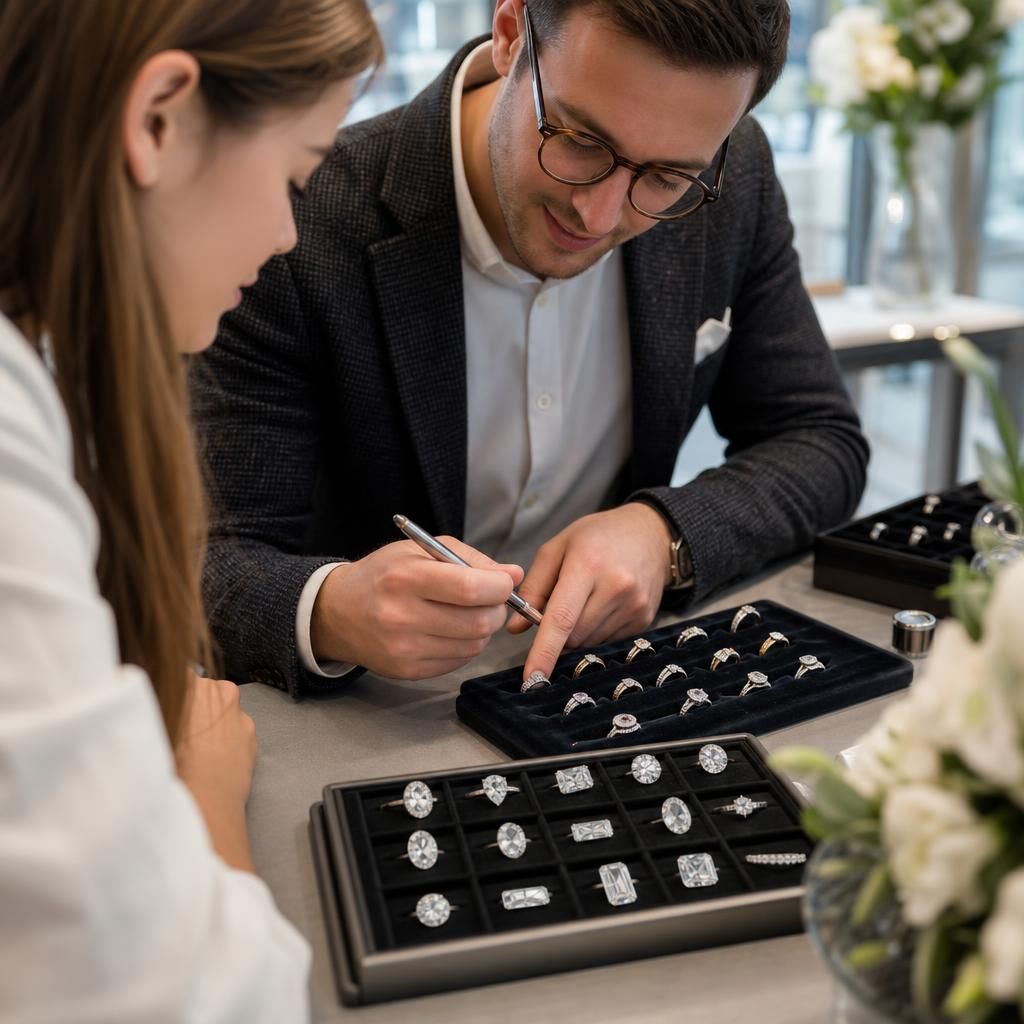
Emerald Cut
Emerald cuts are recognised for their step-cut facets, enhancing clarity with their geometric lines. This cut is ideal for showcasing the stone's internal quality.
Understanding the Importance of Engagement Ring Settings and Cuts
Engagement ring settings and cuts are integral components that determine both the aesthetic and functional characteristics of a ring. The setting is the component that holds the gemstone securely in place, and some of the most common types include prong, bezel, tension, and pave. Prong settings, often seen in solitaire designs, use metal claws to keep the gemstone firmly held while allowing maximum light to enter from all angles, enhancing sparkle and brilliance. Conversely, a bezel setting encircles the gemstone with a thin metal rim, offering a modern aesthetic and increased protection against damage. A tension setting utilises the pressure of the metal band itself to hold the gemstone, presenting a unique, contemporary design devoid of obstructive metal, while pave settings accentuate gemstones by embedding smaller stones along the band, adding to the overall dazzle of the piece.
The cut of a diamond, distinct from its shape, significantly affects its brilliance and visual appeal. Key cuts include round, princess, oval, emerald, and cushion, each with unique characteristics. The round cut is acclaimed for its optimal light reflection and classic appeal, making it a perennial favourite among buyers. The square-shaped princess cut is celebrated for its modern elegance and exceptional scintillation, offering a fresh alternative to the traditional round cut. Oval cuts extend similar advantages in terms of brilliance while providing an elongating effect, enhancing the perceived size of the stone. Emerald cuts, characterised by their rectangular shape and step-cut facets, boast a combination of clarity and understated elegance, while cushion cuts draw inspiration from antique designs, featuring rounded edges and larger facets that project vintage charm. Understanding these elements is essential for making informed decisions about engagement rings that align with personal preferences and style.
Understanding Prong Settings
Prong settings are a popular choice for engagement rings due to their ability to maximise a stone’s exposure to light, enhancing brilliance.
Details of Prong Settings
In a prong setting, metal claws hold the gemstone in place, allowing for maximum light entry from various angles. Typically found in solitaire designs, this type of setting is ideal for those who prioritise sparkle. However, it’s important to regularly check the prongs for wear as they can be susceptible to damage, which might risk the stone’s security.
Exploring Bezel Settings
Bezel settings offer a sleek, modern aesthetic with enhanced protection for the gemstone.
Exquisite Engagement Ring Settings and Cuts Overview
Engagement ring settings and cuts are fundamental elements in crafting a ring that balances aesthetic appeal with practical functionality. The setting refers to the method used to secure the gemstone to the band, significantly influencing both its security and style. Common settings include the prong, bezel, tension, and pave. Prong settings utilise metal claws to hold the stone, maximising light exposure for enhanced brilliance, while bezel settings encase the gemstone with a thin metal rim for a more secure and modern look. Tension settings use the pressure of the band itself, creating a distinctive contemporary style, as pave settings incorporate small stones along the band to accentuate the central gem’s sparkle.
The cut of a diamond is distinct from its shape and plays a critical role in determining its brilliance, fire, and overall visual appeal. Popular diamond cuts include round, princess, oval, emerald, and cushion. Round cuts are prized for their symmetry and superior light reflection, making them a classic choice. Princess cuts, with their square shape and sparkle, offer a modern twist, while oval cuts provide an elongating effect perceived to increase stone size. Emerald cuts, characterised by their step facets, emphasise transparency and sophisticated geometry. Cushion cuts, combining rounded edges and larger facets, exude a vintage charm reminiscent of an antique allure. Understanding these distinctions is crucial to making informed choices when selecting an engagement ring that meets personal taste and expectations.
Prong Settings
Prong settings utilise metal claws to secure the gemstone, allowing for maximum light exposure which enhances brilliance.
Bezel Settings
Bezel settings encase the gemstone with a metal rim, offering enhanced protection and a sleek, modern look.
Tension Settings
Tension settings hold the gemstone in place using the pressure of the band itself, creating a unique and contemporary appearance.
Pavé Settings
Pavé settings feature small stones embedded along the band, accentuating the central gemstone's sparkle.
Round Cut
The round cut is celebrated for its symmetry and brilliance, making it a classic choice for many engagement rings.
Princess Cut
Known for its square shape, the princess cut offers a modern twist with excellent sparkle.
Oval Cut
Oval cuts provide an elongated shape that can enhance the perceived size of the gemstone.
Emerald Cut
Emerald cuts feature step facets that emphasise clarity and sophisticated geometric lines.
Expert Guidance on Engagement Ring Settings and Cuts
Engagement ring settings and cuts are fundamental elements that shape the ultimate appearance and function of a ring. The setting refers to the framework that holds the gemstone in place, and its type can dramatically influence the ring’s overall aesthetic. Popular settings today include prong, bezel, tension, and pave. Prong settings use metal claws to secure the stone while allowing light to pass through for enhanced brilliance. Bezel settings, on the other hand, encase the stone with a thin rim of metal, providing additional protection and a seamless modern look. Tension settings leverage the pressure of the band to hold the gemstone, offering a striking contemporary design, while pave settings involve embedding smaller stones along the band, maximizing sparkle.
The cut of a diamond or gemstone significantly determines its brilliance and fire, distinguishing it from the stone’s shape. Widely favoured cuts include round, princess, oval, emerald, and cushion. Round cuts are renowned for their perfect symmetry and unrivalled light dispersion, making them a classic choice. The princess cut, noted for its square shape, offers substantial sparkle and a modern aesthetic. Oval cuts give an illusion of larger size due to their elongated form, while emerald cuts focus on clarity through their simple and elegant linear facets. Cushion cuts, characterised by softer edges and an antique appeal, present a timeless charm. Understanding these components is paramount when choosing an engagement ring, ensuring that it not only matches personal style preferences but also enhances the gemstone’s inherent beauty.
Accreditations & Certifications
Steven Charles Quance is a certified member of the Assay Office Birmingham, ensuring all jewellery items meet strict hallmarking standards. Accredited jewellers provide assurance of genuine materials and craftsmanship.
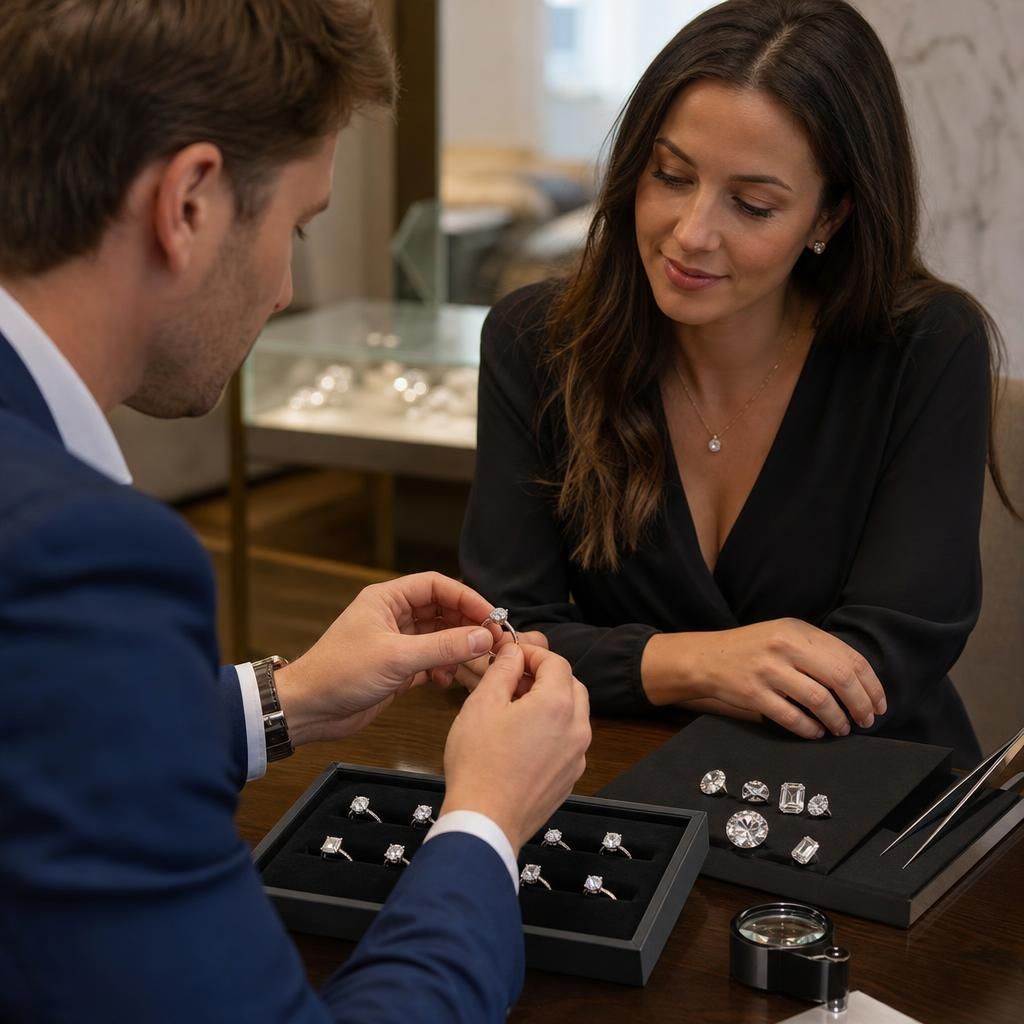
Expert Jewellery Designers
Our team includes GIA-certified experts dedicated to crafting bespoke designs. Their extensive knowledge in diamond cuts and settings ensures each piece meets the highest quality standards.
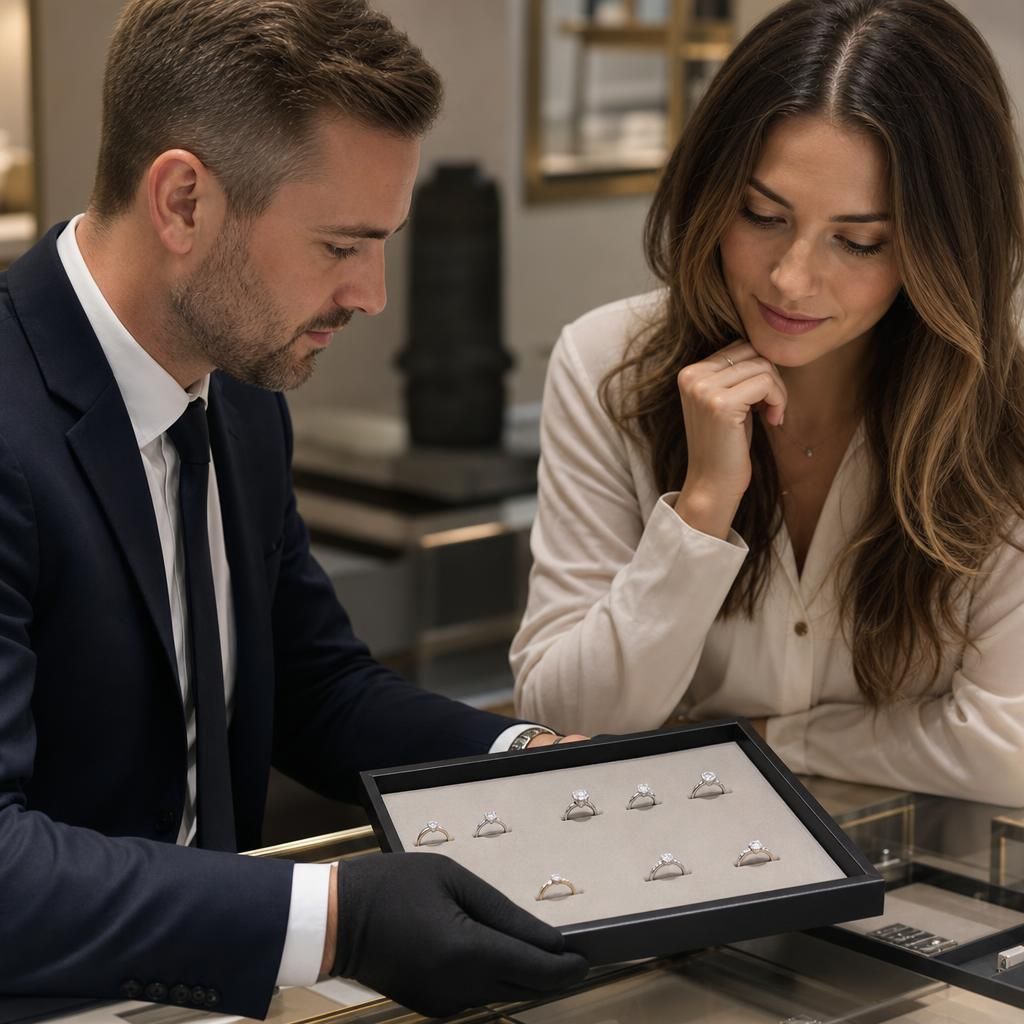
Quality Assurance Guarantee
Each jewellery piece comes with a comprehensive quality assurance guarantee. This ensures all stones and metals used are of the highest standard and that each item is meticulously crafted.
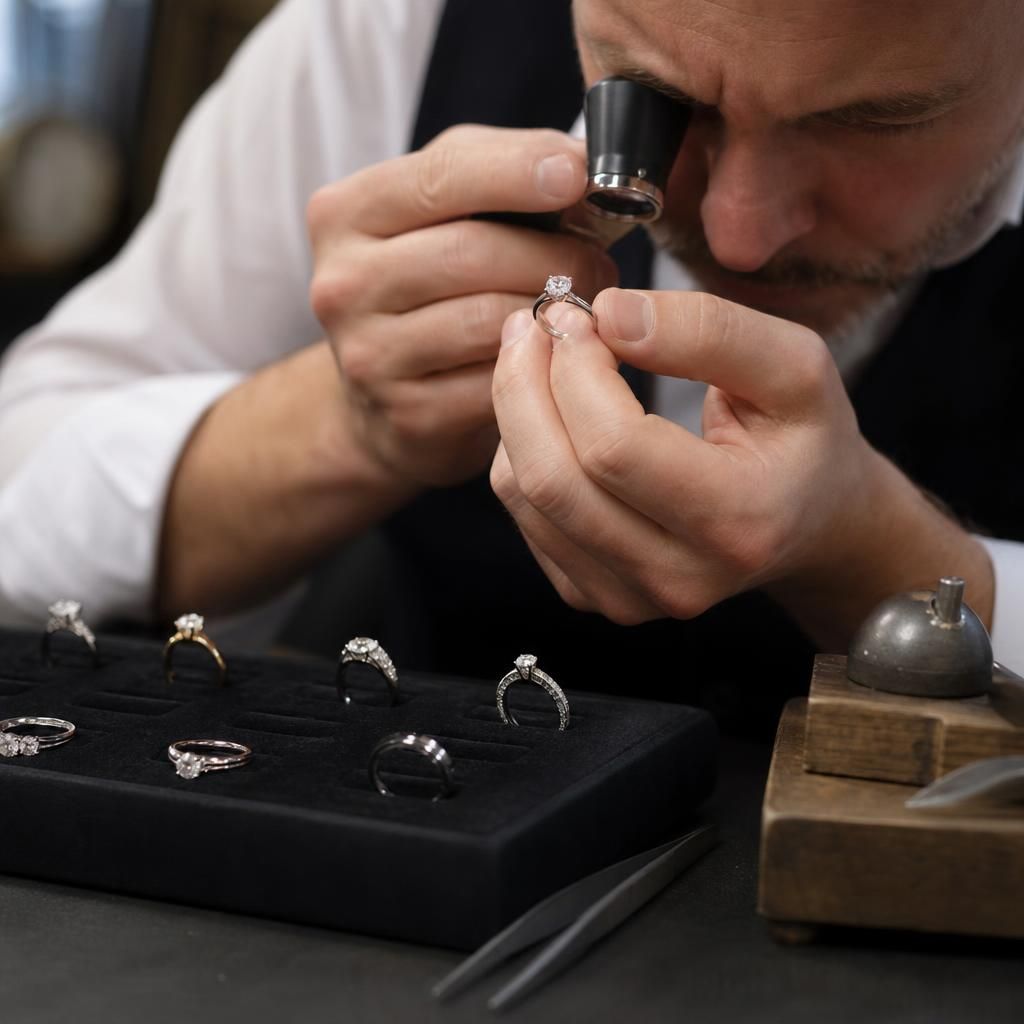
Bespoke Service Commitment
We prioritise personalisation and unique design. Every consultation is tailored to understand and incorporate client preferences, ensuring truly one-of-a-kind creations.
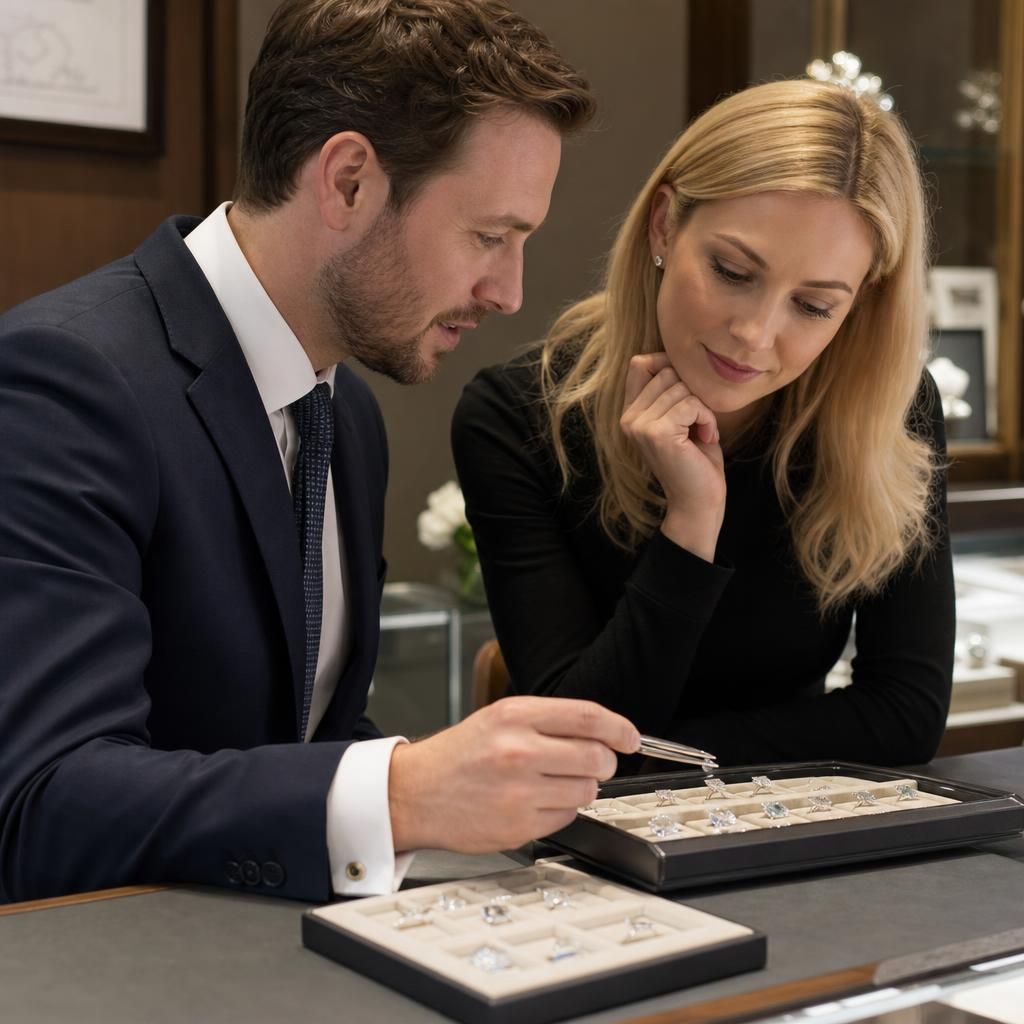
Transparent Pricing
Pricing is transparent and competitive, with detailed explanations for cost components. This transparency fosters trust and ensures clients understand the value of their investment.
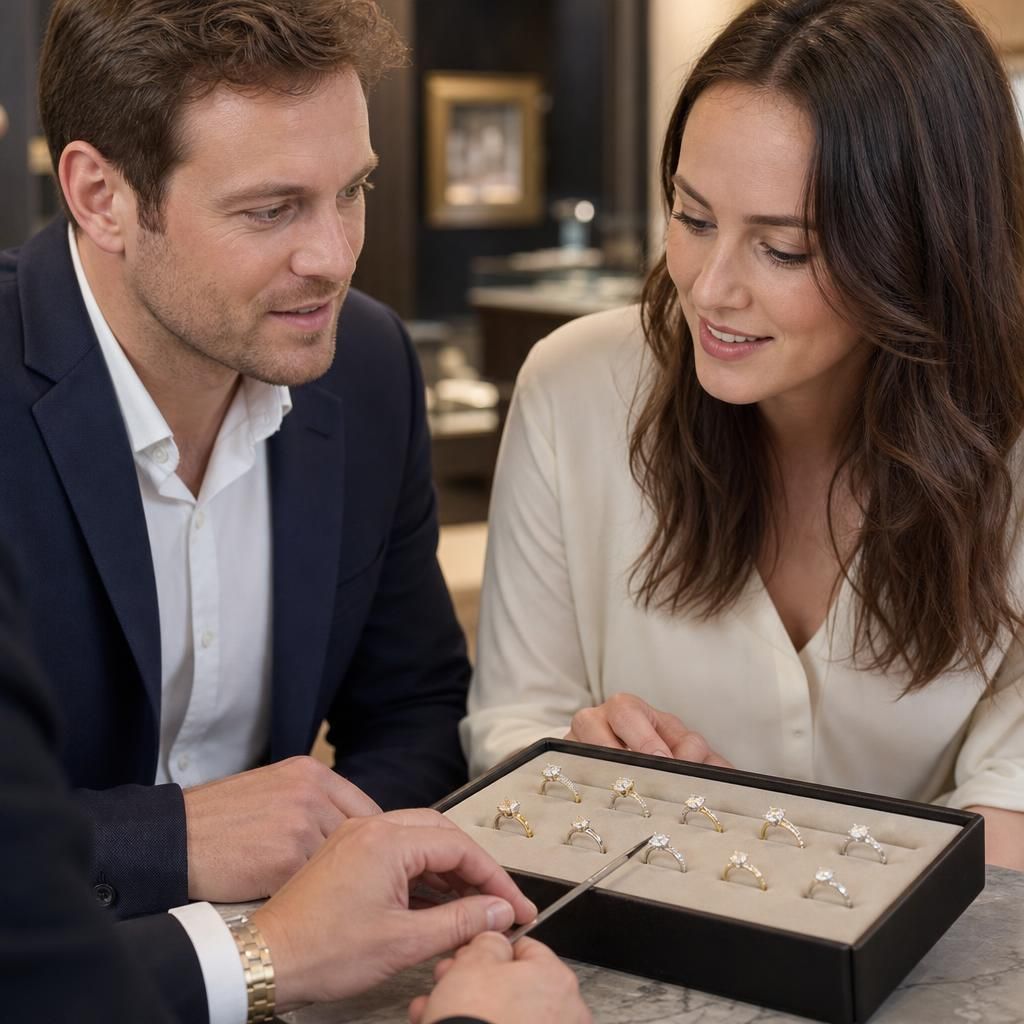
Ethical Sourcing Practices
Steven Charles Quance is committed to ethical sourcing, ensuring all diamonds and materials used in jewellery pieces are obtained through conflict-free channels, supporting sustainable practices.
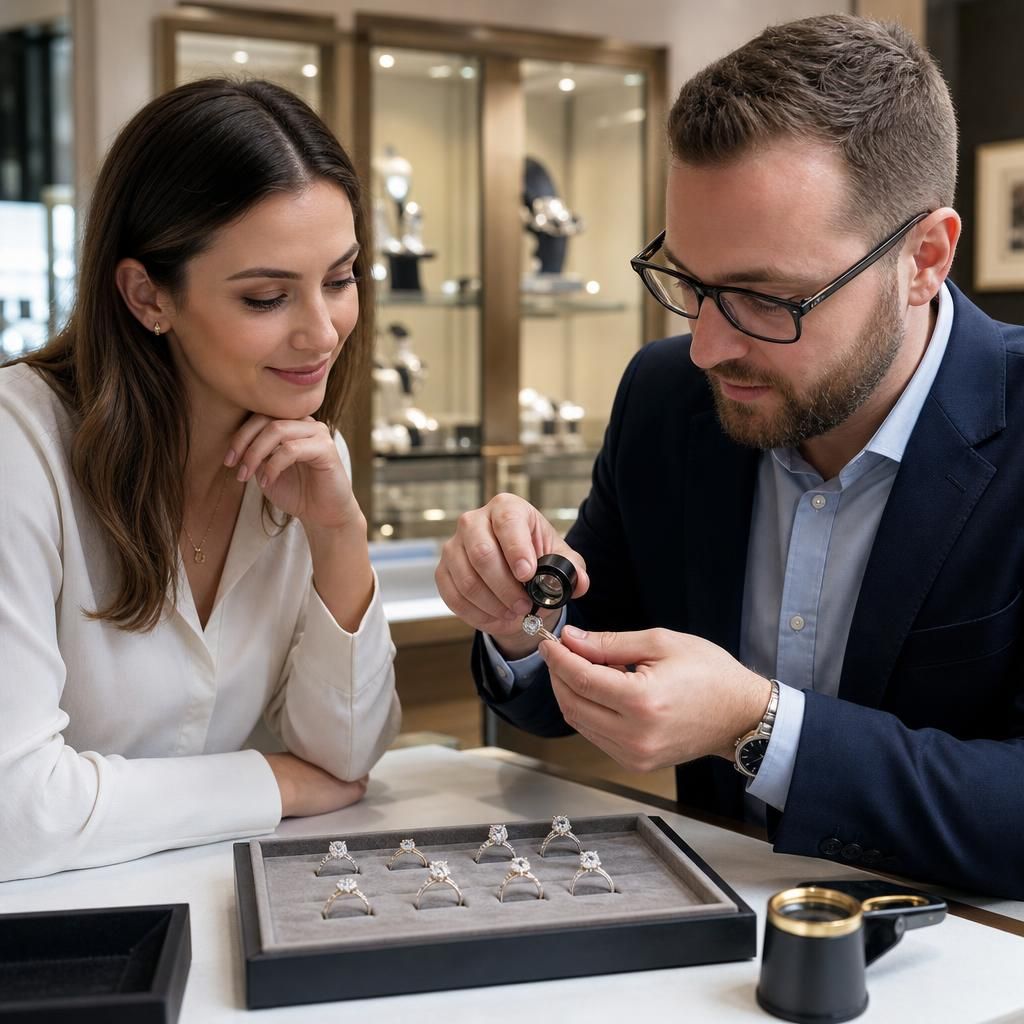
Comprehensive Aftercare Services
Our aftercare services include ring resizing, repairs, and jewellery remodelling. Ensuring long-term satisfaction and maintaining the quality and integrity of each piece is a top priority.
Unlock the elegance of bespoke engagement rings with expert insights on settings and cuts.
Engagement ring settings and cuts are distinct aspects that significantly impact the design and appeal of engagement rings. A setting is the structure that holds the gemstone securely in place on the ring and comes in various styles, including prong, bezel, tension, and pave. Each setting style offers unique aesthetic and functional benefits. Prong settings, for instance, use metal claws to hold the gemstone, allowing maximum light to pass through for enhanced sparkle. Conversely, bezel settings encircle the gemstone with a metal rim, providing increased protection and a sleek appearance. Tension settings utilise the strength of the band to hold the gemstone in place, achieving a modern and minimalist look. Pave settings, characterised by small gemstones set along the band, add extra brilliance and intricacy to the design.
The cut of a diamond or gemstone is essential in dictating the stone’s brilliance and fire, which are key factors of its visual appeal. Popular cuts include round, princess, oval, emerald, and cushion. The round cut, well-known for its symmetry and light reflection, is a traditional favourite. The princess cut, with its square silhouette, provides modern elegance and substantial sparkle. Oval cuts offer the illusion of a larger gemstone due to their elongation, while emerald cuts feature step-cut facets that highlight the stone’s clarity. Cushion cuts, with their vintage charm, showcase softer edges and larger facets. Selecting the right combination of setting and cut is crucial to reflect personal style and preferences, ensuring the engagement ring embodies both beauty and individual significance.
Expert Advice: Navigating Engagement Ring Settings and Cuts
Engagement ring settings and cuts are fundamental elements of a ring’s design, influencing both its aesthetic and functional qualities. The setting refers to how a gemstone is mounted or secured on the ring band, affecting the ring’s overall appearance and durability. Common setting styles include prong, bezel, tension, and pave. Prong settings utilize metal claws to hold the gemstone, maximizing light exposure to enhance sparkle. Bezel settings encircle the gemstone with a metal rim, providing not only a modern look but also additional protection. Tension settings create a contemporary aesthetic by using the pressure of the band to hold the gemstone, while pave settings involve embedding small stones along the band to amplify brilliance.
The cut of a diamond or gemstone significantly impacts its brilliance and visual appeal. It should not be mistaken for the shape, as the cut specifically refers to how well the stone’s facets interact with light. Among popular cuts are the round, known for its symmetry and light reflection; the princess, which offers modern elegance with a square shape; the oval, which gives an illusion of a larger size due to its elongated form; the emerald, featuring step-cut facets that emphasise clarity; and the cushion, with its vintage charm, rounded edges, and larger facets. Understanding these options is essential for selecting an engagement ring that matches personal style while showcasing the gemstone’s beauty.
FAQs on Engagement Ring Settings and Diamond Cuts
What are the advantages and disadvantages of different engagement ring settings?
Prong settings use metal claws to hold the gemstone securely in place, maximising light exposure for enhanced sparkle. They're ideal for solitaire designs, popular for showcasing the stone's brilliance.
How do different diamond cuts affect the appearance and value of an engagement ring?
Different diamond cuts, such as round, princess, or emerald, affect an engagement ring's brilliance, shape, and value. Round cuts maximize light reflection, while emerald cuts highlight clarity with their flat facets.
What factors should I consider when choosing the right metal for an engagement ring?
Consider durability, colour, and hypoallergenic properties when selecting engagement ring metals. Platinum offers strength and hypoallergenic qualities, while yellow gold provides a classic look. White gold resembles platinum but requires refinishing.
How do I determine the best engagement ring setting for my lifestyle?
Consider your daily activities when selecting an engagement ring setting. Prong settings enhance brilliance but can snag, while bezel settings offer durability. Tension and pave settings suit different aesthetic preferences and lifestyle needs.
What is the importance of the diamond's cut grade in engagement rings?
The diamond's cut grade directly affects its brilliance by determining how well the stone reflects light. A higher cut grade, such as 'Excellent,' maximises sparkle, while lower grades reduce light performance.
Navigate the Variety of Engagement Ring Settings and Cuts to Find Perfection
When considering engagement ring settings and cuts, it’s essential to understand their roles in defining the ring’s appearance and practical attributes. The setting is the structural element that secures the gemstone within the ring, significantly influencing its aesthetic appeal and security. Common settings include prong, bezel, tension, and pave. Prong settings feature metal claws that elevate the stone, allowing maximum light penetration and enhancing sparkle. Bezel settings provide a sleek encasement for the stone with a metal rim that offers additional protection. Tension settings use the band itself to suspend the stone in place, creating a contemporary, unobstructed design. In contrast, pave settings enhance brilliance by embedding small stones along the band for added dazzle.
The cut of a diamond or gemstone is a critical factor affecting its brilliance and overall visual impact, distinguishing it from the shape of the stone. Among the most favoured cuts are the round, celebrated for its symmetry and light-reflecting brilliance; the princess, known for its modern square shape and scintillation; and the oval, which enhances the perceived size due to its elongated silhouette. The emerald cut, characterised by step-cut facets, highlights clarity and brings a refined elegance to the stone, while the cushion cut, with its vintage allure and larger facets, infuses a touch of antique charm into the design. Selecting the right combination of setting and cut is key to crafting an engagement ring that reflects personal taste while accentuating the gemstone’s unique attributes.
Frequently Asked Questions about Engagement Ring Settings and Cuts
What are the differences in maintaining various engagement ring settings and cuts?
Engagement ring settings, such as prong, bezel, tension, and pave, each provide unique ways to secure and display the gemstone. Consider factors like protection, light exposure, and style preferences.
How does the choice of metal affect engagement ring settings and cuts?
The choice of metal, such as platinum, gold, or white gold, can influence durability, colour compatibility with gemstones, and overall ring style. Platinum is robust, while gold offers colour versatility.
What factors should be considered when choosing diamond cuts and ring settings in relation to lifestyle and daily wear?
Consider durability, comfort, and personal style when choosing diamond cuts and ring settings for daily wear. Opt for secure settings like bezel if frequently active, and timeless cuts for versatile elegance.
What are the essential considerations for customising an engagement ring setting and cut?
When customising an engagement ring setting and cut, consider personal style preferences, gemstone protection, and desired brilliance. Assess compatibility between the gemstone cut, setting type, and metal for a cohesive design.
What trends are currently popular in engagement ring settings and cuts?
Current trends in engagement ring settings emphasise minimalist designs, mixed metals, and hidden halos. Cuts like oval, pear, and emerald shapes are gaining popularity due to their modern appeal and timeless elegance.
Explore Our Bespoke Engagement Ring Settings & Cuts
Engagement ring settings and cuts play a significant role in dictating the aesthetic and practical features of a ring. The setting pertains to the method by which the gemstone is held within the ring, profoundly influencing both its visual appeal and security. Common settings include prong, bezel, tension, and pave. Prong settings utilise metal claws to position the stone, permitting maximal light ingress to enhance sparkle. Meanwhile, bezel settings encircle the gemstone with a metal rim providing increased protection and a streamlined look. Tension settings leverage the pressure of the band’s metal to suspend the gemstone, creating a modern, unobstructed design, whereas pave settings incorporate numerous small stones along the band, further enhancing the ring’s luster.
Diamond and gemstone cuts are critical in determining their brilliance and overall visual allure, setting them apart from mere shape descriptions. Round cuts are celebrated for their symmetry and light reflection; princess cuts offer a modern square form with excellent scintillation. Conversely, oval cuts deliver an elongated visual effect, enhancing perceived stone size. Emerald cuts, characterised by their step-cut facets, underscore clarity and offer a refined elegance. Cushion cuts, reminiscent of antique styles with their rounded edges and generous facets, introduce a timeless charm. Selecting the appropriate setting and cut is essential for crafting an engagement ring that aligns with personal preferences while emphasising the gemstone’s inherent beauty.