
Is there a risk of damaging stones or materials during the ring resizing process?
While ring resizing is a common practice, there is always a slight risk of damaging stones or materials during the process. This risk primarily arises from the method used to resize the ring and the particular characteristics of the stones and materials involved. At Steven Charles Quance, our expert jewellers are equipped to minimise these risks by carefully assessing each piece before proceeding with any adjustments. Understanding the properties of gemstones and metals is crucial, as certain materials and settings can demand extra precautions to ensure a successful and damage-free resizing experience.
The risk of damaging stones or materials during the ring resizing process is influenced by several factors, including the type of metal, the setting of stones, and the specific gemstones involved. While resizing is generally a safe and standard procedure, certain steps must be taken to mitigate potential damage.
Firstly, understanding the properties of the metal used in the ring is crucial. Precious metals like gold, platinum, and palladium exhibit differing levels of malleability and strength, which impact how they are resized. Rings combining different metals or featuring intricate designs require extra care during resizing.
Gemstones themselves pose unique considerations. Certain stones, such as opals, pearls, and emeralds, are more susceptible to damage due to their relative softness or internal structures. These stones may require alternative methods or additional precautions during resizing to avoid chipping or cracking. Channel settings or pave set stones, where small stones are closely set, can also increase the risk of loosening during the resizing process.
At Steven Charles Quance, our jewellers utilise expert techniques to reduce these risks. Each ring is carefully evaluated to determine the most appropriate and secure resizing method. For example, rings with tension-set stones may necessitate special care to ensure the tension remains intact without applying unnecessary pressure that could damage the stone.
Our team also employs protective measures, such as removing certain types of delicate stones before resizing and then securely resetting them once adjustments are complete. Additionally, thorough inspections before and after the resizing ensure that adjustments do not compromise the overall integrity of the jewellery.
Ultimately, the expertise and precision of skilled jewellers significantly minimise risks. We conduct every resizing with meticulous attention, ensuring your treasured pieces maintain both their structural integrity and aesthetic allure. Clients are encouraged to provide details about their rings, enabling our jewellers to tailor our approach to each unique piece.
By consulting with our knowledgeable professionals, who are adept at handling a wide variety of rings and stones, clients can feel reassured about the safe and successful resizing of their cherished jewellery.
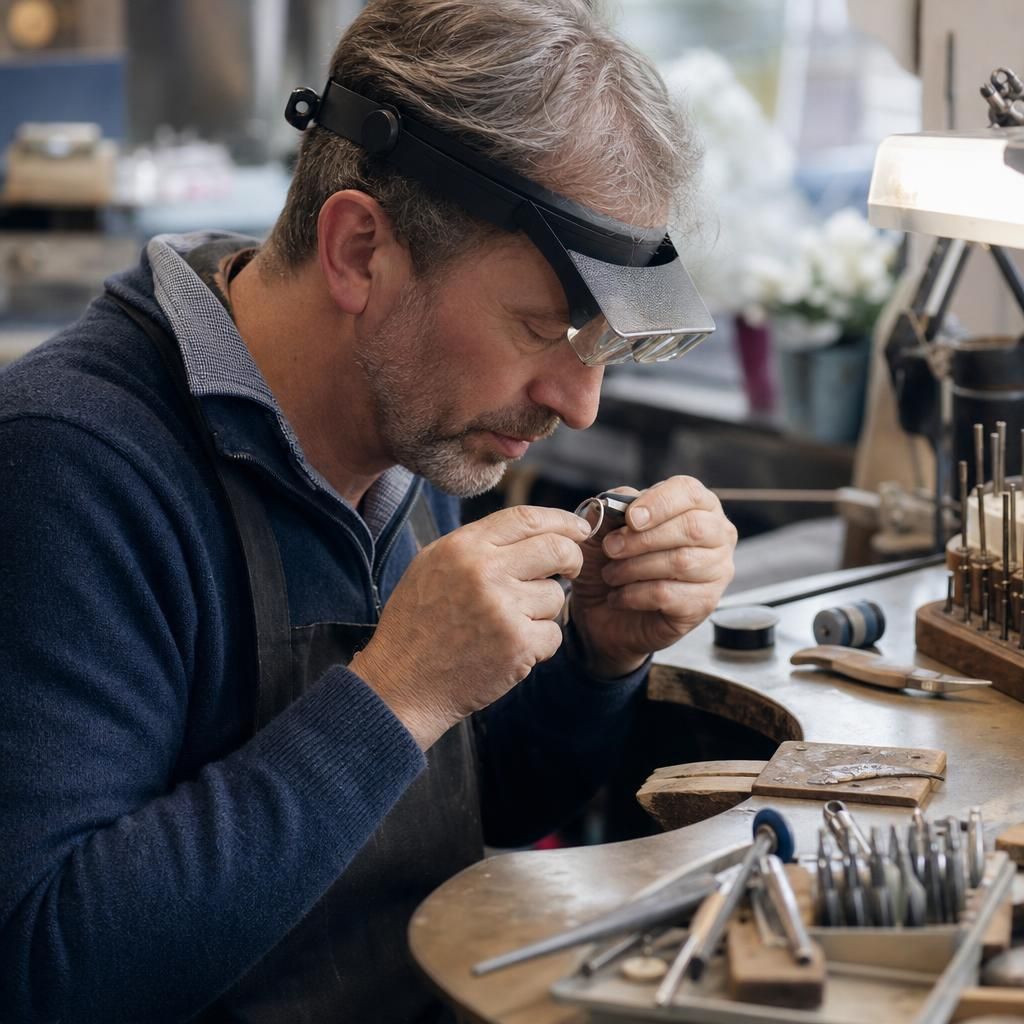
When resizing a ring, the type and placement of gemstones significantly influence the risk of potential damage. Gemstones with specific vulnerabilities, such as those that are soft or possess inclusions, stand a higher chance of being damaged if not handled carefully during resizing. For instance, gemstones like opals or pearls, known for their delicate nature, require particular attention. Additionally, the manner in which stones are set can impact their stability during the resizing process. Settings such as the channel or pavé, where stones are secured closely together, may increase the likelihood of stones becoming loose or dislodged.
To manage these challenges, experienced jewellers carefully assess the design and composition of each ring prior to resizing. They may opt to temporarily remove at-risk stones to prevent any pressure or movement that could result in chipping or loosening. Protecting the integrity of both the gemstones and the setting ensures that, once resized, the ring retains its original allure and significance.