
How does the condition of jewellery affect its valuation for probate purposes?
The condition of jewellery plays a crucial role in its valuation for probate purposes. Jewellery in excellent condition typically retains higher value, while pieces with visible wear or damage may see depreciation. This assessment considers factors such as surface scratches, integrity of settings, condition of gemstones, and the presence of original components. Proper maintenance and timely repairs can help preserve the value, ensuring a more favourable probate valuation.
The condition of jewellery significantly impacts its valuation for probate purposes, serving as a key determinant of its market value at the time of appraisal. When assessing jewellery, valuers meticulously examine various factors, including visible wear and tear, structural integrity, and the state of precious stones and settings. For instance, pieces devoid of scratches, with intact settings and pristine gemstones, generally command a higher valuation compared to those exhibiting signs of neglect, such as chipped stones or loose fittings.
One of the primary elements under scrutiny during the valuation process is the overall wear on jewellery. Surface scratches or blemishes, though often cosmetic, can reduce perceived value, as they may suggest a lack of care and maintenance. More importantly, these imperfections might indicate deeper structural issues that could compromise the piece’s longevity. Similarly, the condition of the gemstones is a crucial consideration. A gemstone that has maintained its clarity, colour, and brilliance holds greater value than one that is dull or scratched. An expert will weigh these factors based on their experience and the specific piece’s original craftsmanship.
In addition to the general appearance, the integrity of the jewellery’s settings plays a pivotal role in its valuation. Valuers assess the tightness and security of gemstone settings, as loose or damaged settings can signal a need for costly repairs, lowering the item’s current value. The presence of original components is also crucial, particularly for antique or vintage jewellery. Maintaining these original elements is essential for authenticity and helps preserve the piece’s historical and sentimental value.
Regular maintenance and timely repairs are advisable to circumvent depreciation due to poor condition. This includes cleaning, polishing, and ensuring all settings are secure. For our customers, engaging in dedicated aftercare services such as those we provide – encompassing cleaning, repairs, and professional assessments – can vastly improve the prospects of achieving a favourable valuation. By doing so, owners can maintain the lustre and integrity of their jewellery, ensuring that these cherished pieces are valued appropriately for probate purposes.
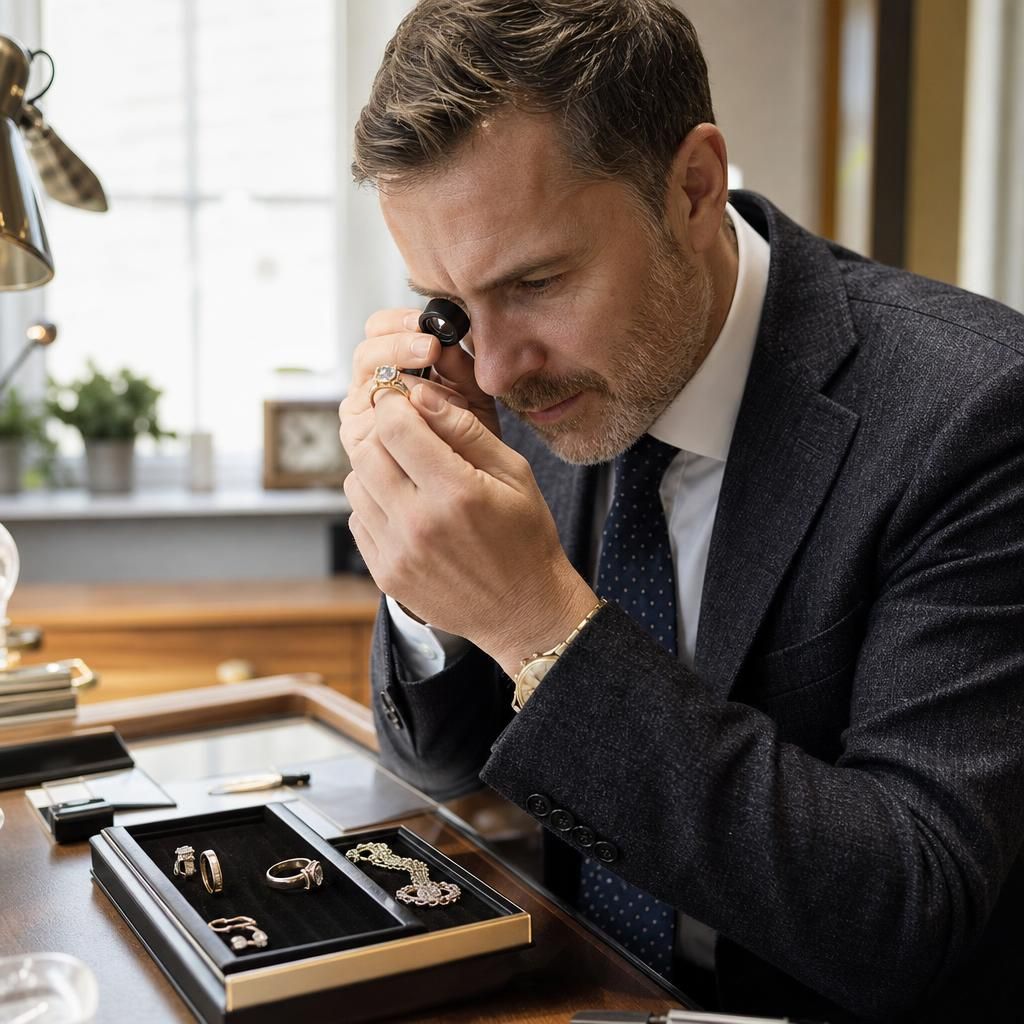
The state of a jewellery piece’s gemstones is a critical factor in probate valuation. The value attributed to gemstones is heavily influenced by their condition, as this dictates their visual appeal and durability. A gemstone that maintains its inherent qualities such as clarity, colour, and cut typically commands a higher valuation compared to one that is flawed or damaged. Over time, exposure to daily wear can lead to scratches, chips, or clouding in gemstones, significantly diminishing their worth. It is crucial to note that the remedial cost of restoring a gemstone to its original state can affect its market value. Therefore, regular professional care, including cleaning and inspections as part of aftercare services, is essential in preserving the condition and, consequently, the value of the gemstones in your jewellery.
Arrange a Probate Jewellery Valuation
If you need an accurate probate valuation that reflects your jewellery’s present condition, arrange an assessment with Steven Charles Quance. Bring any purchase records, certificates and previous valuations available so the valuer can prepare a well-supported report.