What are the pros and cons of choosing traditional metals versus alternative materials for wedding rings?
When selecting wedding rings, understanding the distinctions between traditional metals and alternative materials is vital. Traditional metals like gold, platinum, and silver are renowned for their classic appeal and lasting durability, while alternative materials such as titanium, tungsten, and ceramics offer unique aesthetics and modern advantages. Each choice carries its own set of benefits and potential drawbacks, which should be carefully considered to ensure your ring aligns with personal style, ethical preferences, and lifestyle needs.
The choice between traditional metals and alternative materials for wedding rings is a significant decision for anyone considering a unique expression of commitment. Traditional metals such as gold, platinum, and silver have been long cherished for their classic elegance and remarkable durability. These metals are renowned for their intrinsic value and timeless appeal, lending a sense of heritage and continuity to wedding jewellery. Gold, in its various hues—yellow, white, and rose—remains a popular choice due to its malleability, allowing for intricate designs and personalised engravings. Platinum, with its remarkable strength and hypoallergenic properties, offers a brilliant sheen that doesn’t tarnish, while silver presents an accessible yet elegant option.
Conversely, alternative materials such as titanium, tungsten, and ceramics cater to those seeking a modern, distinctive look. Titanium is celebrated for its impressive strength-to-weight ratio, making it an excellent choice for individuals who prefer lightweight yet resilient bands. Its hypoallergenic nature also makes it suitable for sensitive skin. Tungsten, known for its incredible hardness and scratch resistance, guarantees enduring polish and finish; however, its rigidity makes resizing challenging, which is a crucial consideration for some wearers. Ceramic rings, available in various colours and finishes, offer a distinctive aesthetic and are resistant to scratches and tarnishing, although they can be more brittle compared to metals.
While traditional metals provide a sense of luxury and historical continuity, which many find appealing for an item as symbolic as a wedding ring, alternative materials can offer enhanced durability and unique styles for those pursuing a more contemporary appeal. When considering which option aligns best with your needs, it’s important to evaluate personal taste, lifestyle demands, and any potential need for future adjustments or repairs. As a customer of Steven Charles Quance, you can trust in expert guidance and personalised service to ensure your selection is informed by both personal and practical considerations, supporting your choice with exceptional aftercare services, from resizing to repairs, guaranteeing your wedding ring remains a cherished symbol of your union for years to come.
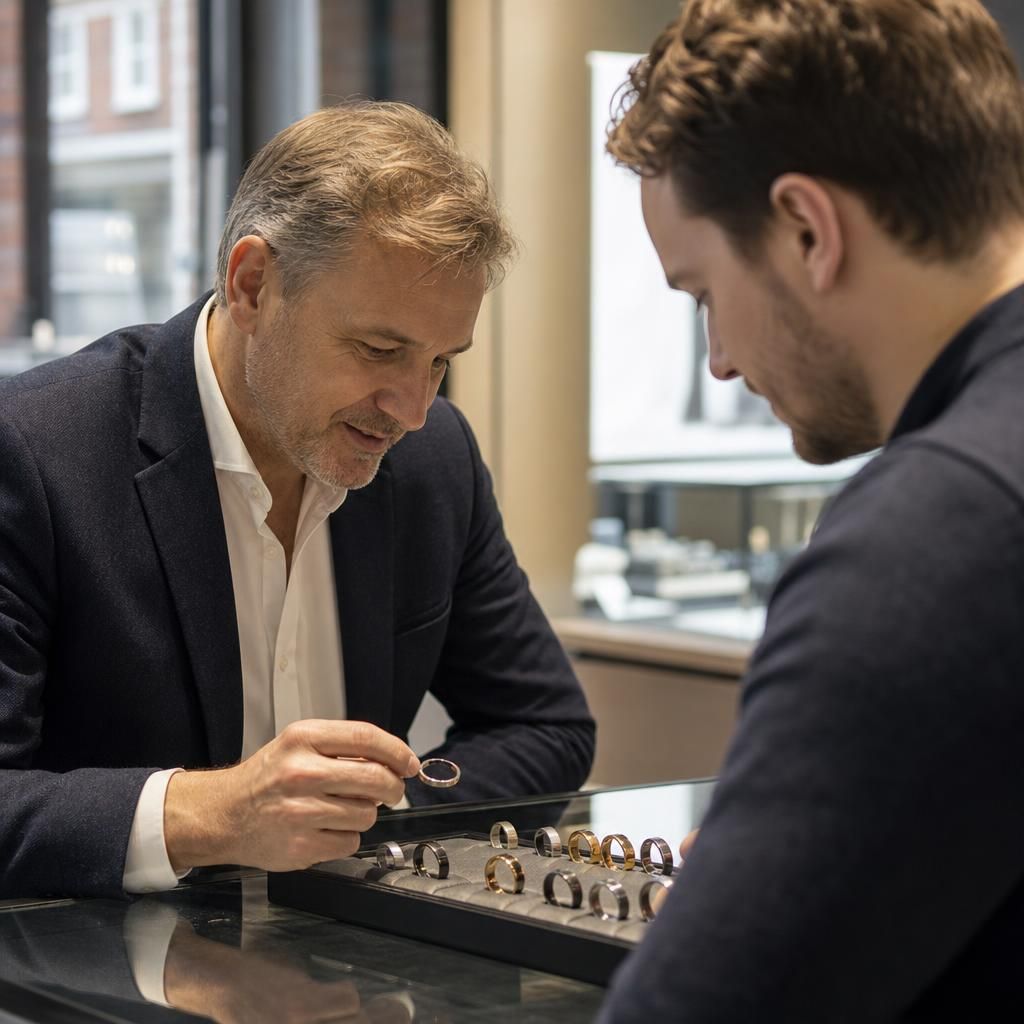
The choice between traditional metals and alternative materials for wedding rings not only influences aesthetics but also impacts factors such as durability, maintenance, and comfort. Traditional metals like gold, platinum, and silver are lauded for their classic elegance and well-established reputation in the realm of fine jewellery. Gold, with its malleability, enables the creation of intricate designs, while platinum offers exceptional durability and resistance to tarnish. Silver, although less durable than the former options, provides a balance of elegance and affordability, necessitating regular maintenance to prevent tarnishing.
On the other hand, alternative materials such as titanium and tungsten bring contemporary benefits alongside their distinct appearances. Titanium’s lightweight property coupled with its robustness makes it an appealing option, particularly for those who may have never worn a ring before and desire comfort and ease of wear. Tungsten excels in hardness, offering scratch resistance that ensures the ring’s finish remains pristine under everyday wear. However, this rigidity can pose challenges when resizing is needed, which is not an issue with more malleable traditional metals. Ceramic, known for its resistance to scratches and wide range of colours, presents a modern aesthetic choice; however, its brittleness compared to metals should be factored into your decision, especially if durability is a priority.
In conclusion, while traditional metals offer a timeless appeal and heritage value, alternative materials provide innovative choices for those whose style leans towards the modern. At Steven Charles Quance, our expert team is on hand to guide you through these considerations, ensuring that you select a wedding ring aligned with your personal style and lifestyle needs, complete with a suite of aftercare services to ensure longevity and satisfaction.
Discuss Traditional and Alternative Wedding Ring Materials
If you are comparing traditional metals with alternative materials for your wedding rings, speak to Steven Charles Quance for expert advice on durability, comfort, appearance and long-term care. Arrange a personal consultation to discuss the most suitable options for your lifestyle and design.