
Is there a noticeable quality difference between man-made and natural diamonds?
The quality difference between man-made and natural diamonds lies primarily in their origin, but visually and chemically, there are minimal differences discernible to the naked eye. Both forms of diamonds possess the same carbon structure, providing equivalent sparkle and hardness, making them indistinguishable in wearability and aesthetic appeal.
At their core, both man-made (often called lab-grown) and natural diamonds share the same chemical composition and crystalline structure. This shared structure ensures that both types of diamonds exhibit the same optical properties such as sparkle and brilliance, alongside identical hardness levels, which means that in terms of everyday wearability and appearance, they are nearly indistinguishable. Man-made diamonds are created in controlled environments using advanced technological methods that replicate the high-pressure, high-temperature conditions under which natural diamonds form deep within the Earth. Consequently, when both are subjected to expert gemological examination, they display similar characteristics.
However, one of the main differences lies in their origin story. Natural diamonds have formed over billions of years, while man-made diamonds can be developed within weeks. This rapid production may appeal to those keen on innovative advances in jewellery and is often seen as a benefit for those interested in sustainability, as the environmental impact of mining is bypassed. From a quality perspective, reputable man-made diamonds are graded using the same criteria as natural diamonds – the four Cs: cut, colour, clarity, and carat weight – by leading gemological institutions, providing assurance of their high quality.
In terms of pricing, man-made diamonds often offer more value for money. The cost of lab-grown diamonds tends to be lower, not due to any inferiority in quality, but because of the shorter production timeline and lower resource expenditure compared to mining. This cost efficiency translates to the potential for larger or higher-grade diamonds within the same budget, which may be an attractive factor for some buyers seeking luxury jewellery pieces like those available from Steven Charles Quance.
Ultimately, the choice between man-made and natural diamonds should align with personal values and preferences. While both types offer exceptional quality and beauty, consumers prioritising ethical sourcing and environmental considerations might lean toward the lab-grown option. On the other hand, those drawn to the rarity and historical allure of natural diamonds may find the premium worthwhile. Steven Charles Quance is committed to providing transparency and bespoke guidance in helping you make an informed decision that suits your unique taste and values.
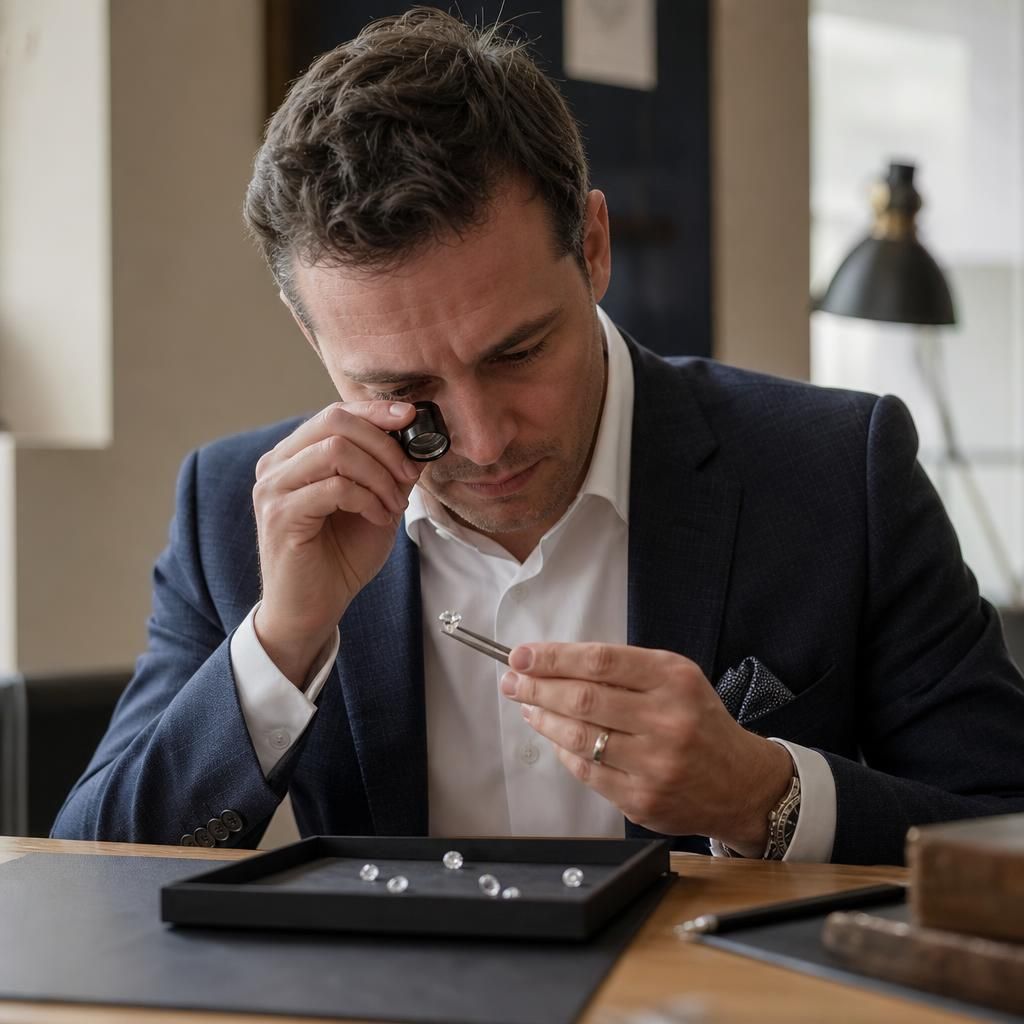
The primary quality distinction between man-made diamonds and natural diamonds often revolves around their inclusions and growth patterns, which can reveal their origin under close examination by a trained gemologist. Man-made diamonds are produced under controlled conditions and typically contain fewer inclusions than their natural counterparts. This can lead to a higher clarity grade, though the inclusions in man-made diamonds tend to have distinctive shapes like metallic flux, which aids in their identification. In contrast, natural diamonds may present more varied inclusions, such as mineral crystals or irregular growth lines, shaped by the geological processes and the vast timescale of their formation. While these differences might not impact daily wear or visual appreciation, they are significant in gemological assessments and the personal value placed on diamond storytelling. At Steven Charles Quance, you can rely on expert guidance to navigate these subtle differences and choose a diamond that aligns with your individual values and desires.