
What factors determine the price of a certified preowned Rolex?
The price of a certified preowned Rolex is determined by its model, materials, age, condition, originality, service history, included documentation and accessories, as well as rarity and current market demand. Certification can add value by providing verified authenticity and a documented inspection, but it does not make every watch worth the same amount.
The price of a certified preowned Rolex is chiefly determined by its exact model and reference, materials, condition, originality, service history, documentation, rarity and current demand. Certification adds value because the watch has been authenticated and inspected through the relevant certified preowned programme, but it does not make every certified watch worth the same amount.
Model and reference
The model is usually the starting point for any valuation. A sports model, dress watch, professional model or precious-metal piece will each appeal to a different market. The exact reference is equally important because seemingly small changes to the movement, case, bezel, dial, bracelet or clasp can affect desirability and price. Production period, discontinued specifications and the availability of particular configurations may also influence the market.
Two watches that appear similar may therefore have different values. A careful assessment should record the reference and serial details, then compare the watch with genuinely like-for-like examples rather than relying on the model name alone.
Materials and specification
Rolex watches made in precious metals generally command a higher price than comparable steel models because of the material, manufacturing complexity and market demand. Two-tone combinations, gem-set versions, unusual dials and particular bezel types can also affect value. However, a more elaborate specification is not automatically more valuable: desirability depends on the model, originality and condition of the individual watch.
The movement and complications matter as well. A watch with a more complex function may require additional expertise and servicing, while the strength of demand for that complication will influence its resale market.
Condition and appearance
Condition has a direct effect on price. Valuers consider the case, bezel, crystal, dial, hands, bracelet, clasp and movement, looking for scratches, dents, corrosion, stretching, wear and signs of improper repairs. A well-preserved watch with crisp case lines and an attractive, original appearance will normally be more desirable than one that has been heavily worn or poorly refinished.
Polishing requires particular care. Professional refinishing can restore the appearance of a case, but excessive or uneven polishing may soften its original contours and remove material. A watch that retains strong case definition can therefore command more interest than one that has been over-polished, even if both are technically functional.
Condition should not be judged from photographs alone. A physical examination can identify movement performance, bracelet wear, alignment, water-resistance considerations and other details that may not be visible in an online listing.
Originality and replacement parts
Original components are important to many Rolex buyers. The dial, hands, bezel, bracelet and clasp should be assessed for whether they are correct for the reference and period. Later replacement parts may be entirely genuine and may improve reliability or appearance, but they can still affect collectability and value if the buyer is seeking an historically consistent example.
Custom alterations, aftermarket diamonds, non-original dials or replacement bracelets can reduce value in comparison with an unmodified watch. Certification confirms the watch’s authenticity and condition under the applicable programme, but it remains sensible to understand which components are original and whether any parts have been replaced during servicing.
Service history and mechanical performance
A documented service history can support a higher price because it gives the buyer evidence of previous maintenance and helps indicate when future work may be required. Relevant records may include service documentation, movement work, replacement parts and pressure-testing information where applicable.
A watch that is running accurately, winding correctly and operating its functions as intended is generally more valuable than one requiring immediate attention. Potential servicing, bracelet repairs, crystal replacement or restoration should be reflected in the price. Certification provides reassurance that the watch has passed the required inspection, but it does not remove the need to follow the manufacturer’s recommended care and servicing guidance.
Box, papers and supporting documentation
The original presentation box, guarantee card, manuals, tags, service records and other accessories can contribute to a watch’s appeal. A complete set is often easier to authenticate and more attractive to future buyers than a watch supplied without its associated documentation.
These items should be checked for consistency with the watch. A box or card that does not correspond to the model, reference or period should not be treated as evidence of value. Good documentation supports the asking price, but it cannot compensate for poor condition, non-original parts or an unclear history.
Provenance and history
Provenance is the documented history of ownership and servicing. A clear, credible history can help establish where the watch came from and how it has been maintained. Particularly relevant evidence may include dated purchase records, service invoices and a consistent sequence of ownership.
Provenance does not automatically increase value. Its effect depends on the quality of the evidence and the model’s collectability. Unverified stories should not command a premium, whereas clear documentation can reduce uncertainty for a prospective buyer.
Rarity and market demand
Prices also respond to supply and demand. Discontinued references, unusual but factory-original configurations and models with a strong collector following may attract higher prices when suitable examples are scarce. Demand can change as tastes, availability and wider economic conditions change, so a previous sale is not necessarily a reliable guide to today’s value.
Asking prices and completed sale prices are not the same. A realistic assessment should consider comparable watches that match the reference, material, condition, completeness and certification status, rather than simply selecting the highest advertised price.
The effect of certified preowned status
Certification can command a premium over an uncertified preowned watch because it provides an established process for authentication, inspection and presentation, together with the relevant certification and guarantee documentation. It reduces some of the risks associated with buying a preowned luxury watch and may make the purchase more straightforward for buyers who value verified provenance and aftercare.
The premium should still be considered alongside the watch itself. Certification does not override condition, rarity or market demand, and two certified watches with the same model name may have different prices because their references, materials, histories and completeness differ.
How to assess whether the price is reasonable
-
Confirm the exact reference, serial details, material, dial, bezel and bracelet configuration.
-
Check the condition of the case, movement, crystal, dial, bracelet and clasp, including any signs of polishing or replacement.
-
Review the certification, guarantee, service records and accompanying accessories for consistency.
-
Compare the watch with similar certified examples, taking account of age, condition, completeness and specification.
-
Ask whether any foreseeable servicing or repairs have already been completed and whether they are reflected in the price.
A reliable valuation is based on the complete picture rather than a single feature. When comparing a certified preowned Rolex, focus on the exact watch being offered, the evidence supporting its condition and history, and the level of assurance included with the purchase.
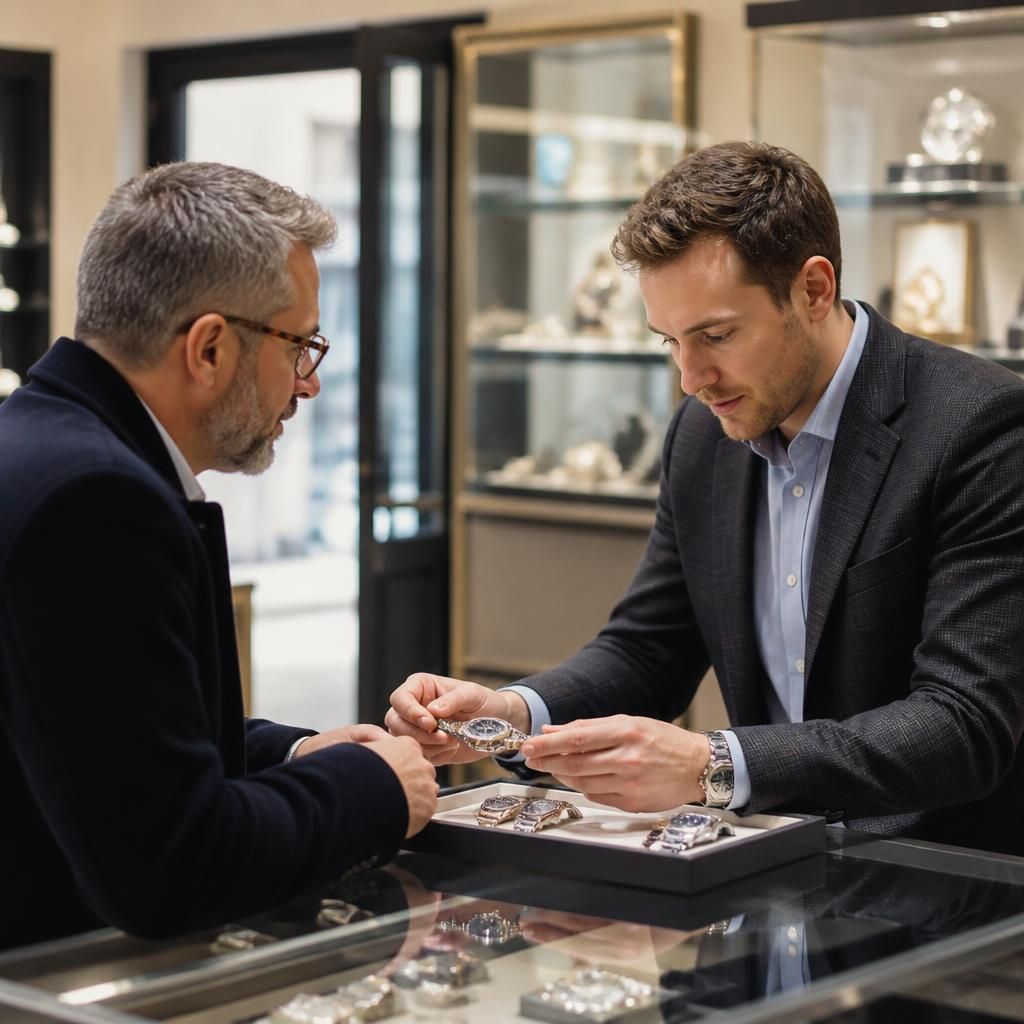
The exact Rolex reference and its condition are usually the most important factors when comparing prices. Two certified preowned watches may share the same model name but differ in material, dial, bezel, bracelet, production period and movement, all of which can affect desirability and value.
Condition should be assessed beyond the overall appearance. Check the case definition, crystal, dial, hands, bracelet, clasp and movement for wear, damage, excessive polishing or replacement parts. A well-preserved, original example with a documented service history will generally command more than a comparable watch requiring restoration, even when both have been certified.