
Are there risks of damaging a ring during the resizing process?
While ring resizing is a common and usually straightforward process, there are some risks involved, particularly in terms of potential damage to the ring. This typically depends on the design, materials, and condition of the ring. At Steven Charles Quance, we employ expert techniques to minimise these risks and ensure that your jewellery remains in pristine condition.
Ring resizing is an essential service offered to ensure a perfect fit for your cherished pieces, but it does come with inherent risks that need careful consideration. The primary concern during the resizing process is potential damage to the ring, which can vary based on the ring’s design, the materials used, and its overall condition prior to resizing. For instance, rings with intricate settings or those made from certain materials, such as platinum or tension-set rings, may pose greater challenges. These factors can influence the risk of metal damage, gemstone setting issues, or structural weakness.
With any resizing, there is a risk of metal fatigue, which occurs when the metal is repeatedly stressed and becomes brittle over time. Additionally, the alteration in size can affect the symmetry and integrity of the ring’s design, particularly if the resizing involves cutting and soldering the band. Gemstones themselves might be at risk if their settings are adjusted, as this can compromise their security, potentially leading to loosening or loss.
To minimise these risks, it is crucial to engage a skilled jeweller with experience in resizing bespoke or high-end jewellery. At Steven Charles Quance, we apply precision techniques and expert craftsmanship to ensure the resizing process is as safe and non-disruptive as possible. Our expertise in handling precious metals and settings guarantees that your jewellery will be cared for with the utmost attention, preserving both its aesthetic value and structural integrity.
Furthermore, post-resizing, it is advisable to have regular aftercare checks, which can help identify any emerging issues early, such as loosening of gemstones or changes in the band’s integrity. With comprehensive aftercare options available, we ensure that your resized ring continues to offer a perfect fit and remains a cherished possession for years to come.
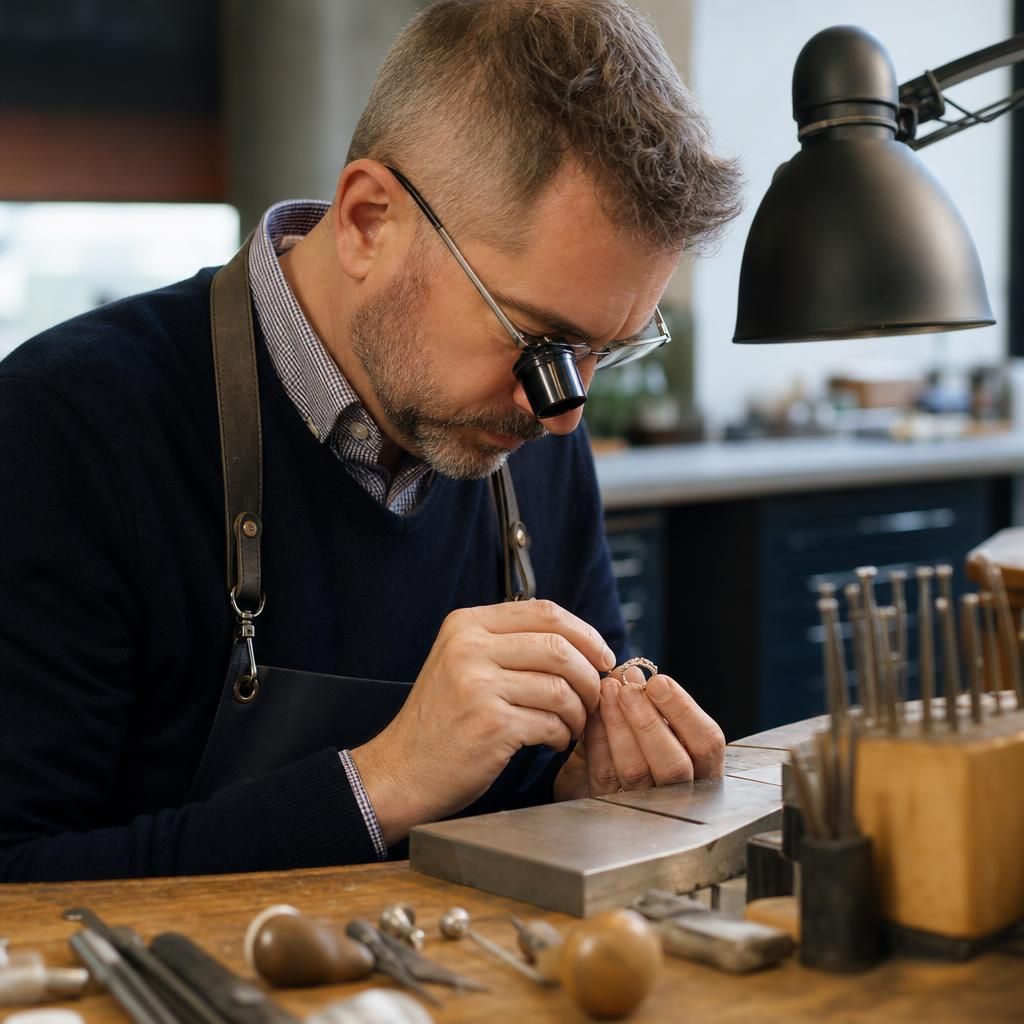
Material Sensitivity and the Resizing Process
A critical aspect to consider during the ring resizing process is the sensitivity of the materials involved. Precious metals such as gold, platinum, and silver have different properties and levels of malleability, impacting how they respond to resizing. For instance, platinum’s durability makes it less prone to visible damage during alterations, although it requires specific expertise due to its high melting point. Gold, depending on its karat, can be softer and more susceptible to scratching or bending; similarly, intricate designs might require delicate handling.
These factors underscore the importance of working with jewellers experienced in bespoke jewellery, such as those at Steven Charles Quance, where detailed attention is given to each ring’s unique material requirements. Understanding the specific traits of your ring’s metal ensures that appropriate methods are used to protect its aesthetic and structural integrity during the resizing process.