
What factors should I consider when negotiating the price of a used Rolex GMT Master II?
When negotiating the price of a used Rolex GMT Master II, consider the watch’s overall condition, including any signs of wear or previous repairs, as well as its age, rarity, and market demand. It’s crucial to have detailed knowledge of its provenance and accompanying documentation to ensure authenticity and potential resale value.
Negotiating the price of a used Rolex GMT Master II requires a strategic approach that combines market awareness and a thorough understanding of the watch’s specific attributes. A key factor in this negotiation is assessing the watch’s overall condition. This includes examining any wear and tear on the bracelet, case, and bezel, as well as checking for any necessary repairs or replacements. Scrutinise the movement condition and functionality, ensuring the timepiece operates smoothly and maintains precision. Remember, any refurbishment or aftermarket modifications—such as non-original parts—could affect the watch’s value and should be factored into your negotiation strategy.
The age and rarity of the particular model play crucial roles in determining its worth. Limited editions or discontinued models often command higher prices due to their collectibility. Additionally, it’s important to be informed about current market demand; a piece that is highly sought after might have less room for price negotiation. Become familiar with recent sales of similar models to gauge an appropriate price range.
The provenance and accompanying documentation are vital in ensuring the authenticity of the timepiece. A Rolex GMT Master II with its original papers and box holds more legitimacy and typically demands a higher price. Assess the completeness of these materials; missing papers or service history could justify a lower offer. It’s worth consulting with a trusted expert for an authentic valuation and advice on specific features or peculiarities that might influence the negotiation.
Finally, consider the potential future resale value, particularly if you view the watch as an investment. Market trends for luxury watches can fluctuate, but classic models generally retain or increase in value over time. A well-maintained Rolex with complete documentation and a known history often offers a higher potential return.
As an existing customer of Steven Charles Quance, you benefit from personalised advice and expert guidance through this process. Our focus on trust and ethical sourcing ensures that your purchase aligns with your values and investment goals, positioning you to negotiate not just for a fair price, but for a timepiece that truly resonates with your personal style and preferences.
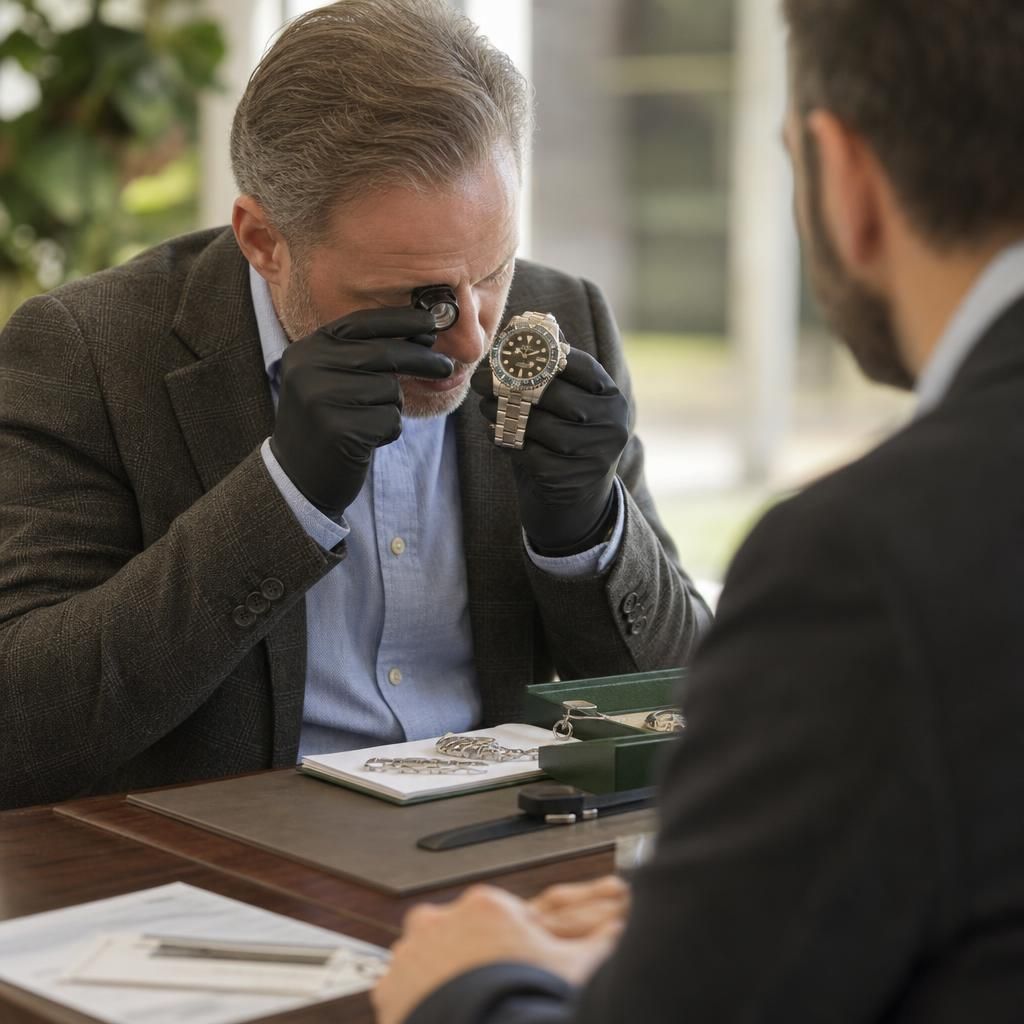
The condition of the used Rolex GMT Master II plays an essential role in price negotiation. A well-maintained watch typically retains higher value compared to one showing significant wear or aftermarket modifications. Begin by inspecting the bracelet, case, and bezel for any signs of scratching, dents, or alterations that might lower its value. Assess the dial and hands for wear, and listen for the smoothness of the movement which is crucial for maintaining the watch’s precision. Remember, any non-original parts or modifications should be factored into the price, as they can significantly affect both current value and future resale possibilities. This examination provides a solid foundation upon which to base your negotiation strategy, ensuring that you seek a fair price that reflects the watch’s true condition.