
What factors determine whether a ring can be resized successfully?
The success of ring resizing largely depends on the material of the ring, the design intricacies involved, and the extent to which the size needs to be adjusted. Rings made from malleable metals like gold and platinum are often easier to resize, whereas those crafted from more rigid materials may present challenges.
Successful ring resizing depends primarily on three critical factors: the material of the ring, the intricacy of its design, and the extent of the alteration needed. Understanding each of these elements will help ensure a smooth resizing process and preserve the ring’s integrity and appearance.
Material Considerations: The composition of a ring significantly influences its ability to be resized. Rings made from malleable metals such as gold, sterling silver, and platinum are often amenable to resizing, as these materials can be stretched or compressed without compromising strength. However, rings crafted from harder metals like titanium or tungsten present challenges due to their rigidity, which may limit resizing options or require specialised techniques. Moreover, considerations around composite materials, such as rings with mixed metals, require expert assessment to avoid potential complications during resizing.
Design Complexity: The design of a ring also plays a crucial role in resizing feasibility. Rings with intricate settings, detailed engravings, or multiple stones can pose challenges. When resizing such pieces, expert jewellers must take extra care to maintain symmetry and protect any embellishments. Bezel settings, pavé, and channel-set stones are particularly susceptible to alteration through resizing, sometimes necessitating additional work to secure the stones post-resizing.
Extent of Resizing: The degree to which a ring needs to be resized is another pivotal factor. Adjustments of one to two sizes larger or smaller are generally achievable, but more substantial changes may lead to structural weaknesses or distortions in the ring’s design. Jewellers must assess the feasibility on a case-by-case basis, and sometimes alternative solutions, such as adding sizing beads or inserts for minor adjustments, may be recommended to maintain the ring’s original style and integrity.
In conclusion, while the art of resizing is intricate, understanding these factors can significantly facilitate a successful outcome. Engaging with skilled professionals, such as those at Steven Charles Quance, ensures that each piece receives the meticulous attention it deserves, preserving both its beauty and sentimental value. With expert guidance, your treasured rings can be tailored to fit comfortably while enduring for generations to come.
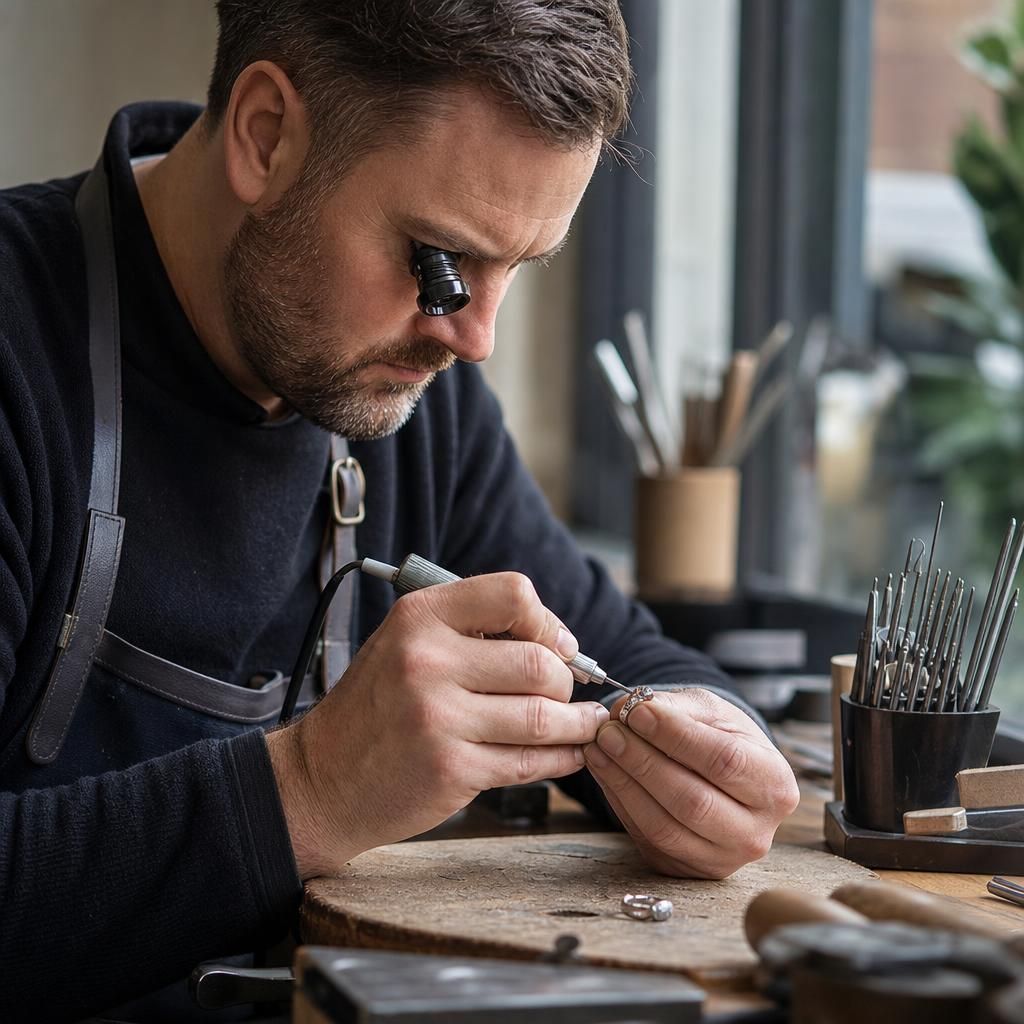
Material of the Ring: One of the pivotal factors in determining the success of a ring resizing is the material from which the ring is crafted. Rings composed of malleable metals like gold, platinum, and sterling silver are generally easier to resize. These materials can be manipulated without compromising their structural integrity, either through stretching when increasing size or compressing when making the ring smaller. By contrast, rings made from more rigid materials such as titanium or tungsten often require specialised techniques due to their hardness. The resizing of such materials might be limited or necessitate additional procedures, which can affect the final outcome. Understanding the specific properties of the ring’s material can help guide expectations about the resizing possibilities and processes available.