
What qualifications or experience should a professional valuer have to ensure accurate appraisals of luxury timepieces and jewellery?
An expert valuer of luxury timepieces and jewellery should possess a robust blend of formal qualifications and real-world experience. Key qualifications include recognized certifications from professional bodies, such as the Gemological Institute of America (GIA) or the National Association of Jewellers (NAJ), alongside extensive practical experience in the field, ensuring precise and trustworthy appraisals.
To ensure accurate appraisals of luxury timepieces and jewellery, a professional valuer must possess a combination of formal qualifications and hands-on experience. This expertise is primarily anchored in certifications from revered institutions such as the Gemological Institute of America (GIA) and the National Association of Jewellers (NAJ). These qualifications provide a foundational understanding of gemstone identification, grading, and appraisal methodologies essential for precise valuations.
Beyond formal education, significant practical experience is crucial for a valuer, allowing them to hone their skills in identifying subtle differences in craftsmanship and materials that can greatly affect an item’s value. Regular exposure to luxury jewellery and timepieces, like those bespoke pieces offered by Steven Charles Quance, enables valuers to develop an intimate understanding of the characteristics that define high-end and one-of-a-kind items.
Moreover, a skilled valuer should be well-versed in current market trends and historical values to deliver appraisals that are both current and forward-looking. This knowledge is especially important in valuating luxury brands, such as Rolex, where market demand and rarity can fluctuate and significantly impact value.
Professional development is another critical aspect of a valuer’s role. Continued education through advanced courses and industry conferences ensures they remain up-to-date on evolving appraisal techniques and ethical standards. This is particularly relevant in maintaining trust and integrity, as ethical considerations are paramount, especially when appraising items with unique provenance or ethically sourced components.
Lastly, meticulous attention to detail and effective communication skills are indispensable. These soft skills ensure that valuers can articulate their findings clearly and confidently, providing clients with transparent insights into their treasured pieces, which enhances trust and satisfaction.
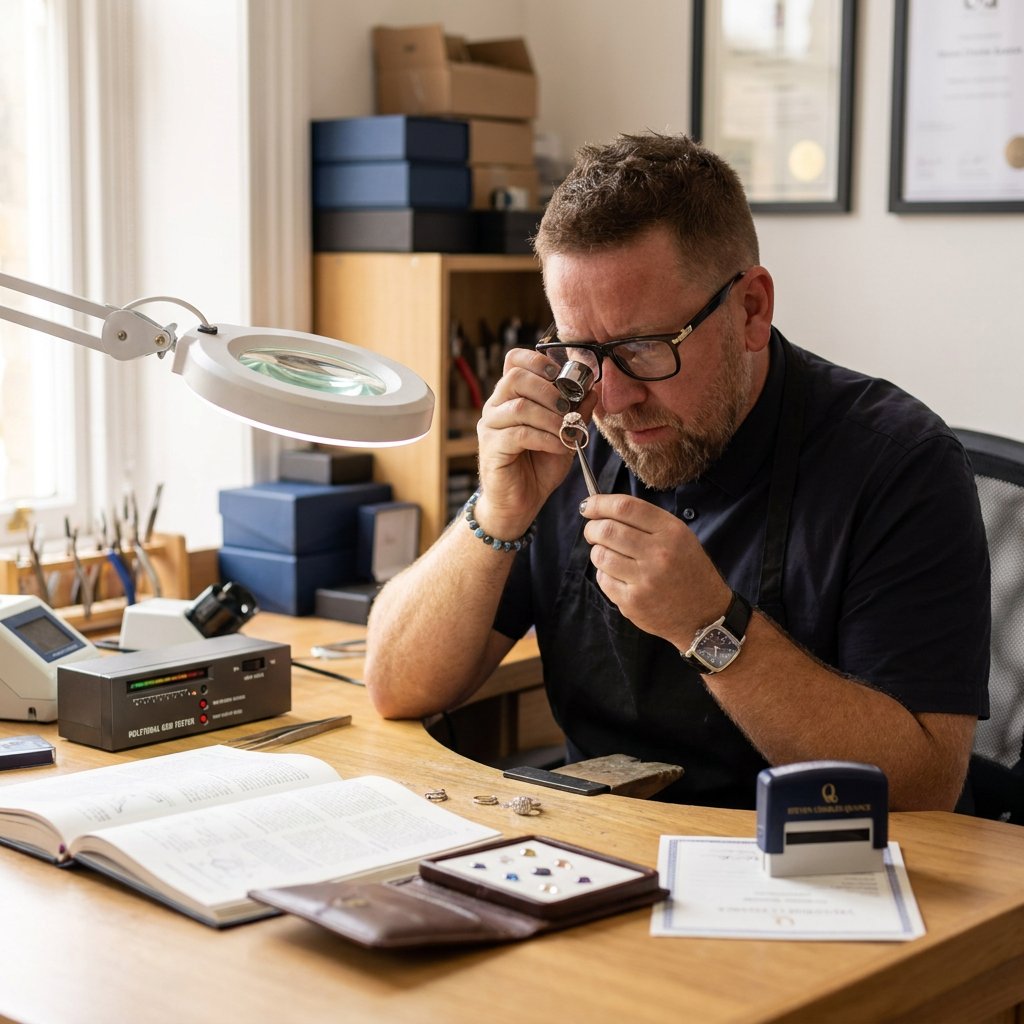
Achieving an accurate appraisal of luxury timepieces and jewellery requires a deep understanding of current market trends and historical values. A qualified professional should stay well-informed about the ongoing movements in market demand and the historical context of specific brands and models. For instance, the valuation of a luxury watch brand like Rolex necessitates awareness of trends as well as insights into how factors such as availability, collectibility, and brand legacy influence their market value. Staying current ensures that the appraiser can deliver relevant and timely valuations that reflect present market conditions, which is crucial for informed buying, selling, and insurance decisions.