
Understanding the varieties of wedding bands available in all metals can help you find the perfect ring that matches your style, preferences, and budget.
Wedding bands are a fundamental component of the marriage ceremony, symbolising the eternal bond between partners. They come in a variety of metals, each offering distinct characteristics and benefits. From traditional options like yellow gold and platinum to more contemporary alternatives such as titanium and tungsten, the choice of metal significantly influences the appearance, durability, and price of the wedding band. Yellow gold, known for its classic appeal, typically ranges from 9 carat to 18 carat, providing different levels of purity and durability. Platinum, renowned for its strength and hypoallergenic properties, is a popular choice for couples seeking longevity in their wedding jewellery. Meanwhile, emerging options like titanium offer lightweight and scratch-resistant features, appealing to those with active lifestyles.
When selecting a wedding band, several key factors must be considered, including personal style, budget, and lifestyle requirements. Cost varies widely based on the metal type and craftsmanship. For example, platinum bands often come at a premium due to their density and rarity, while titanium offers a more budget-friendly alternative without compromising on toughness. Additionally, aesthetic preferences play a crucial role; rose gold gives a modern twist on tradition with its unique hue, whereas white gold, often plated with rhodium, provides a sophisticated and polished look. Couples should also contemplate the maintenance required for their chosen metal. Gold bands may require periodic polishing to maintain their shine, while more robust metals like tungsten are low-maintenance options. Ultimately, the choice of wedding band metal should align with both aesthetic desires and practical considerations, ensuring it complements everyday wear and stands the test of time.
Explore the diverse world of wedding bands crafted in a range of metals, each offering unique properties and styles suited for different preferences and lifestyles.
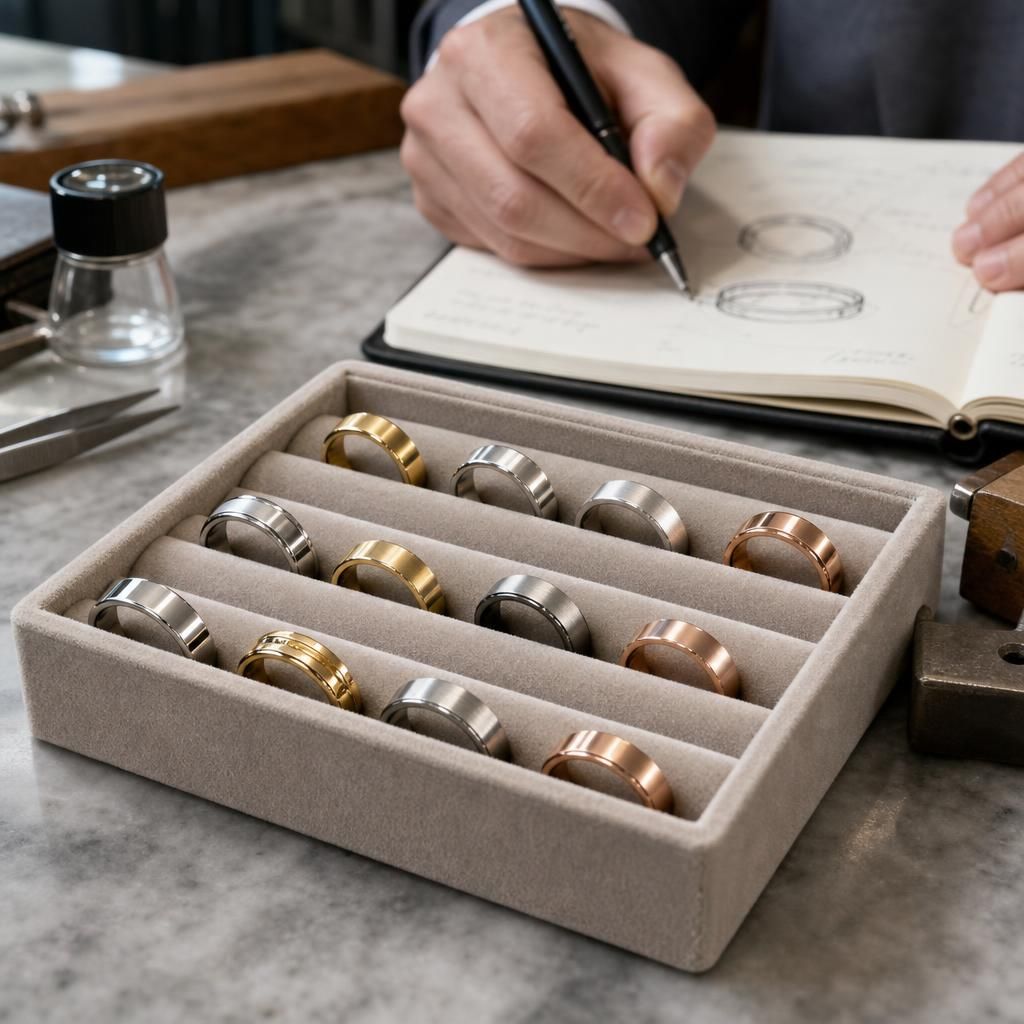
Classic Yellow Gold Bands
Yellow gold offers timeless elegance available in carat options from 9 to 18, catering to diverse purity and durability needs.
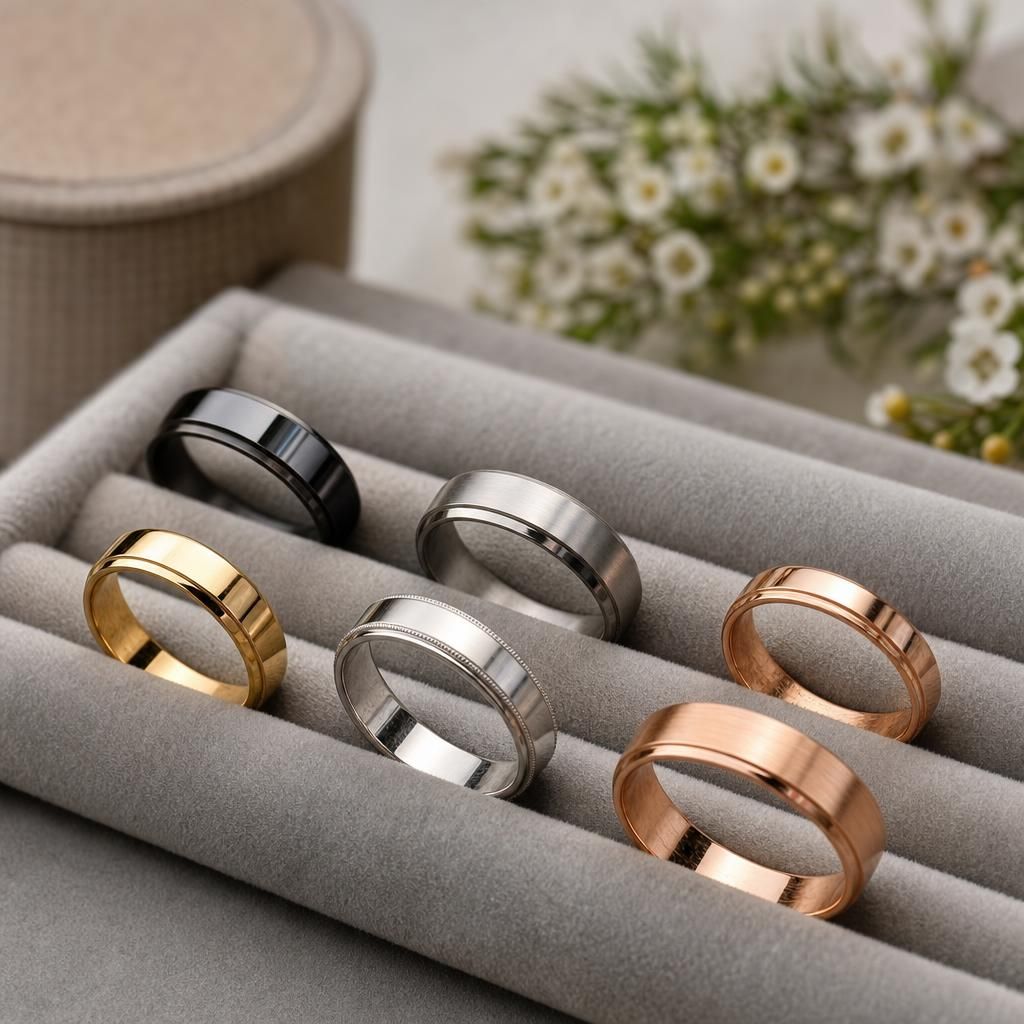
Durable Platinum Rings
Platinum is highly valued for its strength and rarer composition, favoured by those prioritising longevity and hypoallergenic properties.
Modern Titanium Options
Titanium wedding bands are renowned for their lightweight yet strong nature, ideal for individuals with active lifestyles.
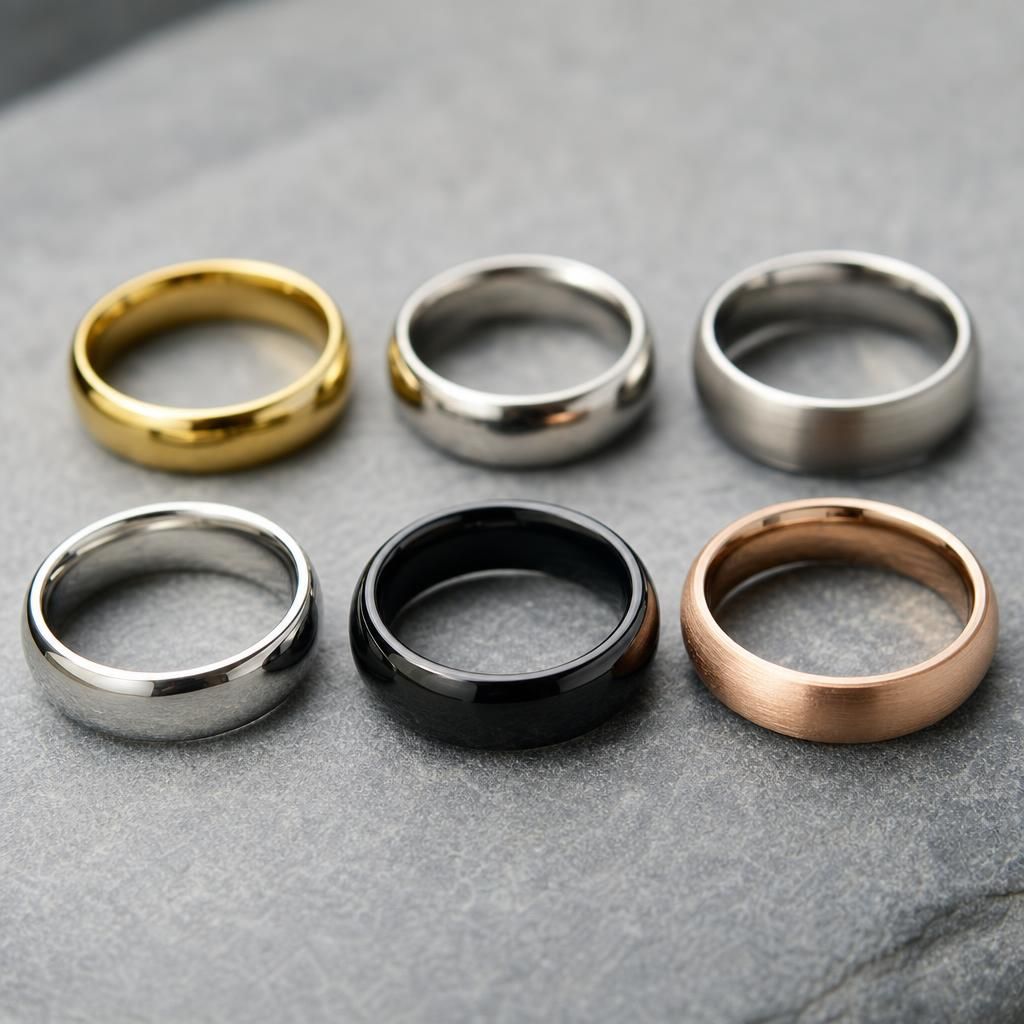
Elegant White Gold Bands
White gold offers a polished and sophisticated look, often enhanced with rhodium plating for extra lustre and style.
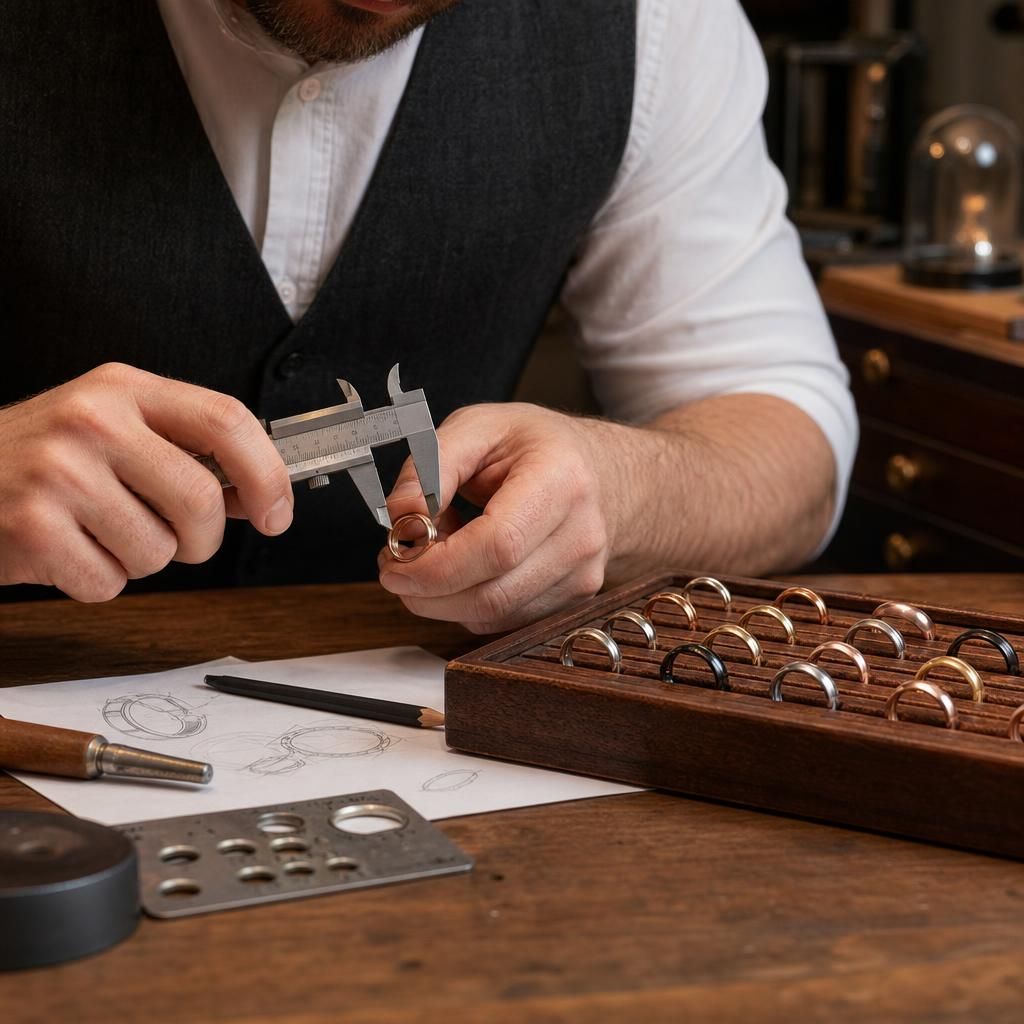
Contemporary Tungsten Rings
Tungsten is appreciated for its scratch-resistant surface, making it a robust and low-maintenance choice.
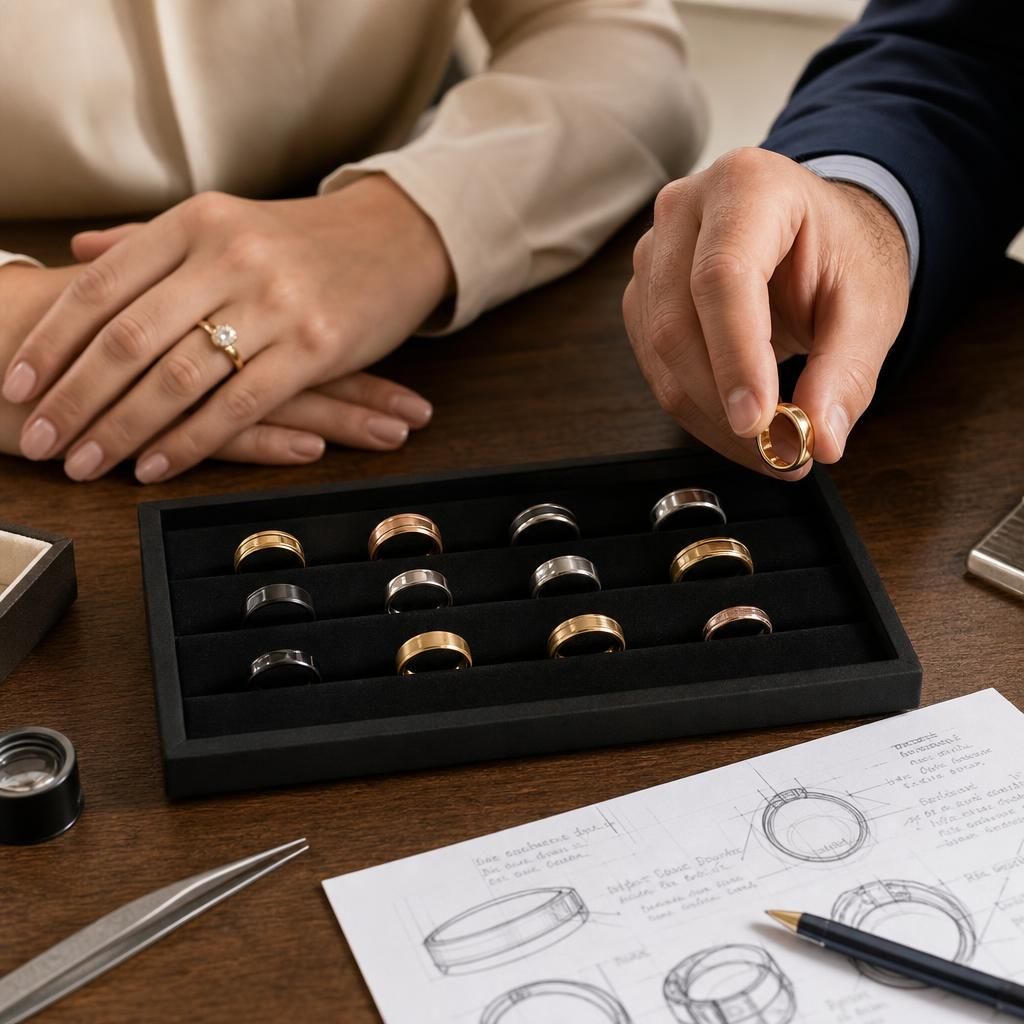
Chic Rose Gold Designs
Rose gold combines a modern aesthetic with traditional allure through its distinctive rose-hued finish.
Considerations When Choosing the Right Metal for Your Wedding Band
Choosing the right metal for your wedding band is crucial, as it influences not only the aesthetic appeal but also the durability and maintenance requirements of the ring. Each metal type offers distinct characteristics; for instance, yellow gold is prized for its traditional warm tones and is available in various carat levels, which determine its purity and hardness. Platinum, on the other hand, is valued for its strength and hypoallergenic properties, making it an ideal choice for those seeking a band that will endure the test of time. Meanwhile, contemporary options such as titanium and tungsten are lauded for their lightweight, scratch-resistant nature, suitable for individuals with active lifestyles.
When assessing the ideal metal for your wedding band, it is important to weigh your personal style preferences against practical considerations such as cost and maintenance. Platinum bands are typically more expensive due to their rarity and density, while titanium offers a cost-effective alternative without sacrificing durability. White gold, often rhodium-plated for extra shine, requires periodic replating over time. Conversely, metals like tungsten require minimal upkeep. By understanding these factors, couples can make an informed decision that balances aesthetic desires with everyday practicality, ensuring their wedding band complements their lifestyle and lasts for years to come.
Understanding Metal Allergies in Wedding Bands
Metal allergies can be a significant concern when selecting a wedding band, as they can affect the comfort and wearability of the ring.
Common Allergenic Metals and Safe Alternatives
Nickel is a common allergen found in some wedding bands, especially those made from white gold, which can cause skin irritation for sensitive individuals. To avoid this, consider hypoallergenic metals like platinum or titanium, which are less likely to cause allergic reactions. Another option is palladium, which offers a similar look to platinum without the risk of allergies. It’s important to verify the alloy composition of any metal before purchasing to ensure it will not cause discomfort.
Weight Considerations for Wedding Band Metals
The weight of a wedding band metal can influence comfort and daily wearability, particularly for individuals not accustomed to wearing jewellery.
Comparing the Weight of Common Metals
Metals like platinum and gold are denser and therefore heavier, which may not suit everyone, particularly those with highly active lifestyles. Conversely, metals such as titanium and tungsten are much lighter, offering a more comfortable experience for prolonged wear. When selecting a metal, try on different samples to gauge how the weight feels on your finger. Opting for a lighter metal may provide greater comfort without compromising on style or durability.
Durability and Longevity of Wedding Band Metals
The durability of the metal used in your wedding band plays a critical role in its longevity and ability to withstand daily wear.
Examining Durability Factors in Various Metals
Platinum is renowned for its durability, as it is highly resistant to wear and does not lose metal when scratched. This makes it an excellent choice for those desiring a long-lasting band. Gold, while popular, is softer and can scratch more easily, with lower carat gold being harder due to its increased alloy content. Tungsten carbide stands out as an extremely hard and scratch-resistant metal, though its brittleness can make it prone to cracking if dropped. Consider how often you’ll wear the ring and in what activities, to choose a metal that best complements your lifestyle.
Maintenance Requirements of Different Metals
Each wedding band metal comes with distinct maintenance requirements that can influence your ongoing care routine.
Metal-Specific Care and Maintenance Tips
Gold rings, especially white gold, typically need periodic maintenance, such as replating with rhodium to maintain their shine and protect against discolouration. Platinum’s naturally white finish requires less frequent polishing yet benefits from occasional professional cleaning to restore its lustre. Titanium and tungsten bands, known for their minimal upkeep, can usually be cleaned at home with mild soap and water. Understanding these maintenance needs can help you choose a metal that suits your lifestyle and willingness to engage in regular ring care.
Budgeting for Different Wedding Band Metals
The type of metal chosen for a wedding band significantly impacts its cost, with price variations reflecting differences in rarity and manufacturing processes.
Price Comparison and Value Considerations
Platinum bands often hold a premium price due to their density and rarity. In contrast, titanium and tungsten are budget-friendly options offering excellent durability at a lower cost. Gold prices vary based on carat, with higher carats being more expensive due to their higher gold content. When budgeting, consider not only the upfront cost but also potential long-term maintenance expenses, which can add to the overall price. Balancing the initial investment with long-term value and maintenance can help in making an informed decision.
Premium Choices in Wedding Band Metals
Wedding bands available in a variety of metals cater to different needs in terms of aesthetics, durability, and personal preference. The choice of metal significantly impacts the appearance, longevity, and maintenance of the ring. Traditional metals such as yellow gold and platinum remain timeless choices, with yellow gold offering a range of purity levels from 9 carat to 18 carat, affecting its colour and hardness. Platinum is lauded for its resilience and hypoallergenic properties, making it an enduring choice for those with sensitive skin or looking for a long-lasting option.
In contrast, contemporary metals like titanium and tungsten provide modern alternatives that are valued for their lightweight and scratch-resistant qualities, appealing to individuals with active lifestyles. Titanium is known for being an economical choice that does not compromise on durability, while tungsten offers minimal maintenance due to its robust nature. Factors such as budget, lifestyle, and aesthetic preferences are essential when selecting the metal for a wedding band. Understanding these aspects can help couples make informed decisions that align with their everyday needs and personal style, ensuring satisfaction with their choice over time.
Yellow Gold Variety
Yellow gold wedding bands offer traditional elegance, available in 9 carat to 18 carat, impacting their colour and durability.
Platinum Strength
Platinum's strength and hypoallergenic qualities make it an ideal choice for rings that require both resilience and skin sensitivity consideration.
Titanium Durability
Titanium bands are lightweight and scratch-resistant, suited for active lifestyles without compromising on budget efficiency.
Tungsten Low Maintenance
Tungsten offers robust, minimal-maintenance rings, making it a practical option for long-lasting wear.
Rose Gold Modern Twist
Rose gold introduces a modern twist with a unique hue, appealing to those seeking a blend of traditional and contemporary aesthetics.
White Gold Sophistication
White gold, often enhanced with rhodium plating, delivers a polished, sophisticated look requiring periodic replating to retain its brilliance.
Palladium Alternatives
Palladium shares similarities with platinum in terms of resilience and hypoallergenic properties, but with lighter weight and often a lower price.
Custom Designs
Opt for bespoke designs to capture personal style; craftsmanship varies based on choice of metal and detail intricacy.
Accreditations and Expertise in Crafting Wedding Bands: Ensuring Quality and Trust
When selecting a wedding band, the variety of metals available is a key consideration, each offering unique properties that affect both appearance and functionality. Traditional options such as yellow gold and platinum continue to be popular due to their classic and timeless look. Yellow gold is available in a range of carats — typically from 9 to 18 carat — with higher carat gold offering a richer hue but being softer and more prone to scratching. Platinum, prized for its durability and hypoallergenic properties, is an ideal choice for longevity and those with sensitive skin, although it generally comes at a higher price point due to its rarity and density.
For those seeking modern alternatives, titanium and tungsten offer different benefits. Titanium is known for being lightweight and extremely tough, providing a cost-effective solution without compromising strength. Tungsten, known for its robust nature, is highly scratch-resistant, making it ideal for individuals with active lifestyles. When choosing a metal for your wedding band, it is crucial to balance aesthetic preferences, lifestyle requirements, and budget. Understanding these factors will ensure that your chosen wedding band is not only beautiful but also practical for daily wear and capable of lasting a lifetime.
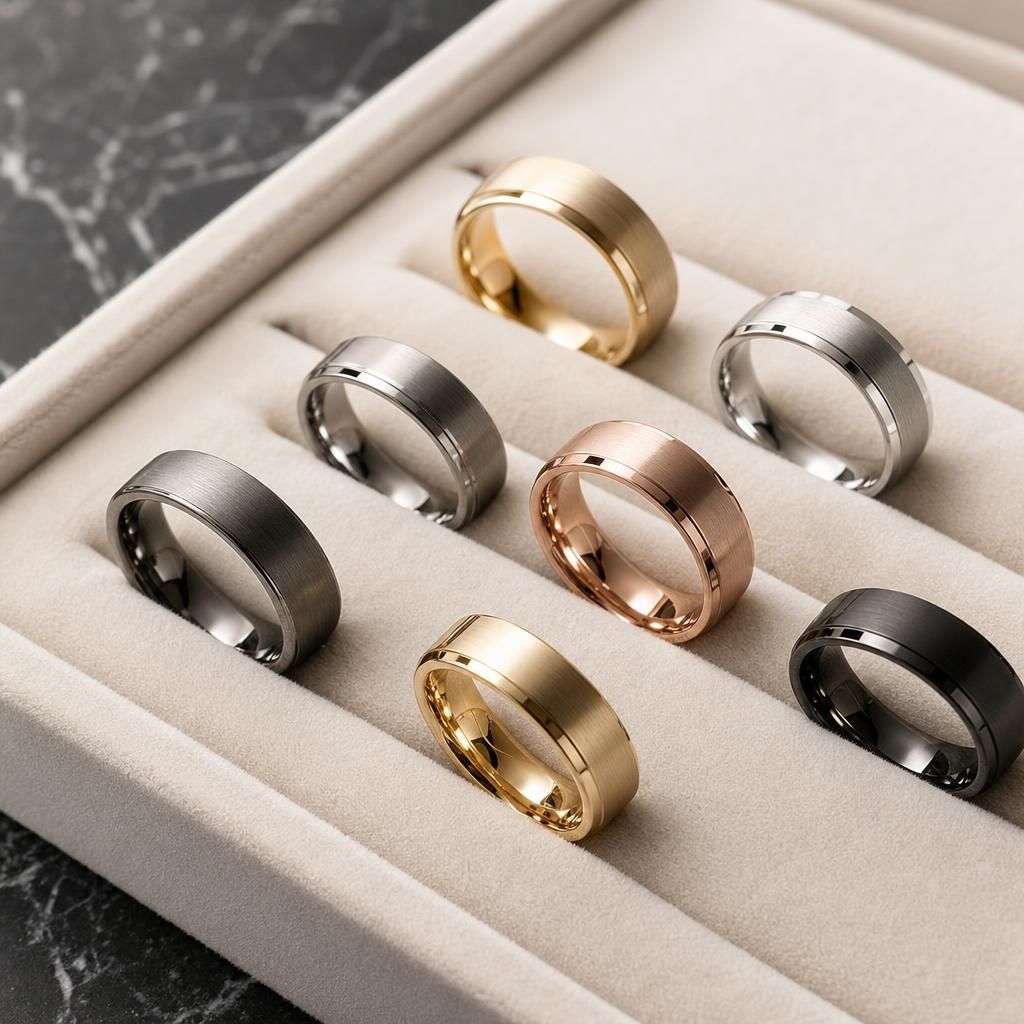
Industry Accreditations
We are recognised by leading jewellery associations, ensuring our commitment to quality and craftsmanship in every piece we create.
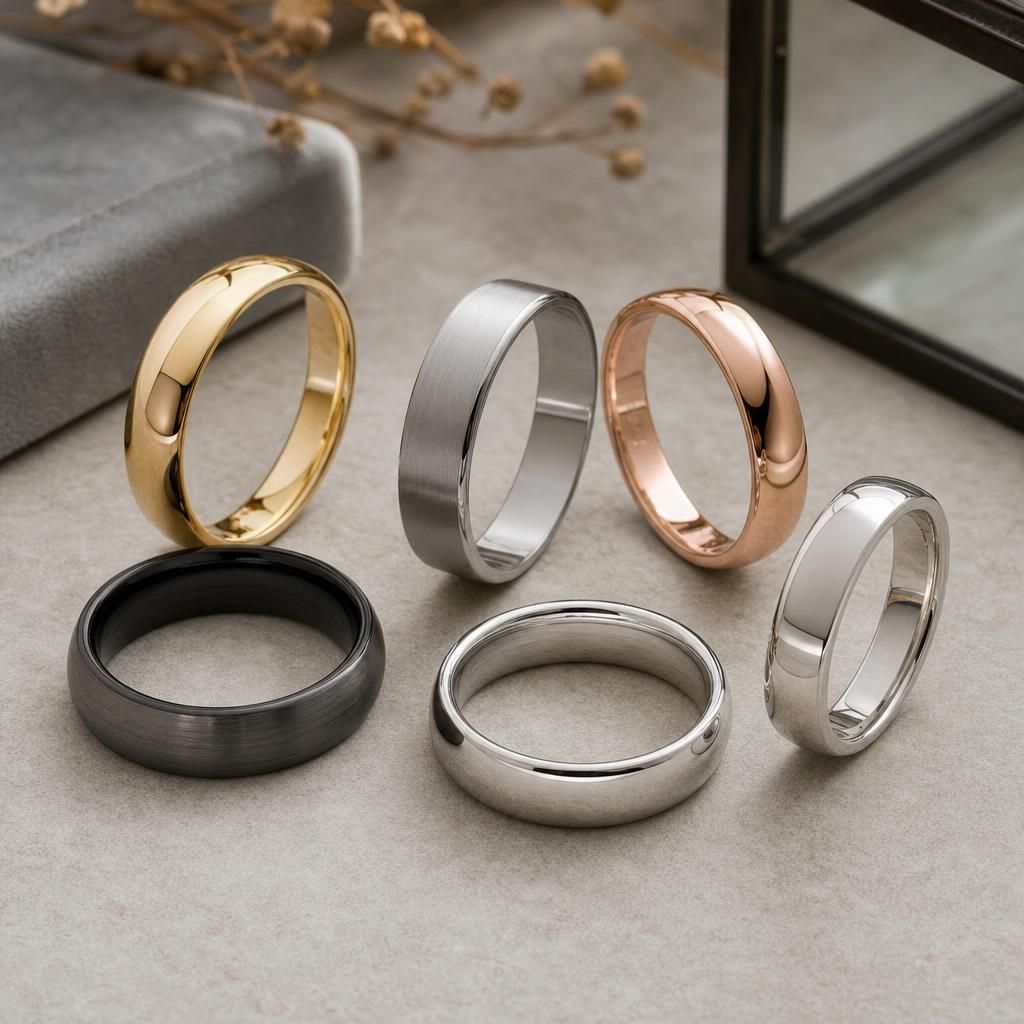
Expert Jewellers
Our team of experienced jewellers specialises in crafting bespoke wedding bands, combining traditional techniques with innovative designs.
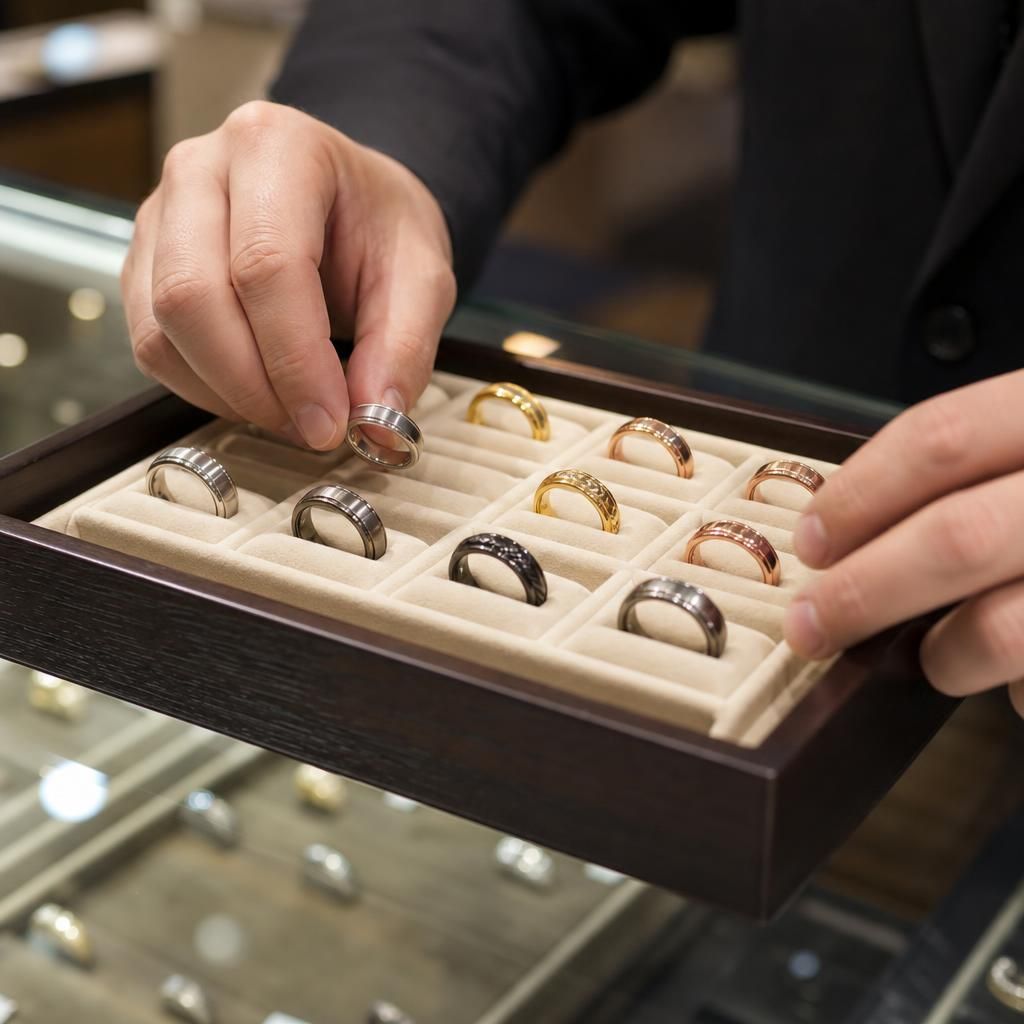
Quality Assurance
Each wedding band is subject to rigorous quality checks, ensuring durability and brilliance meet the highest standards.
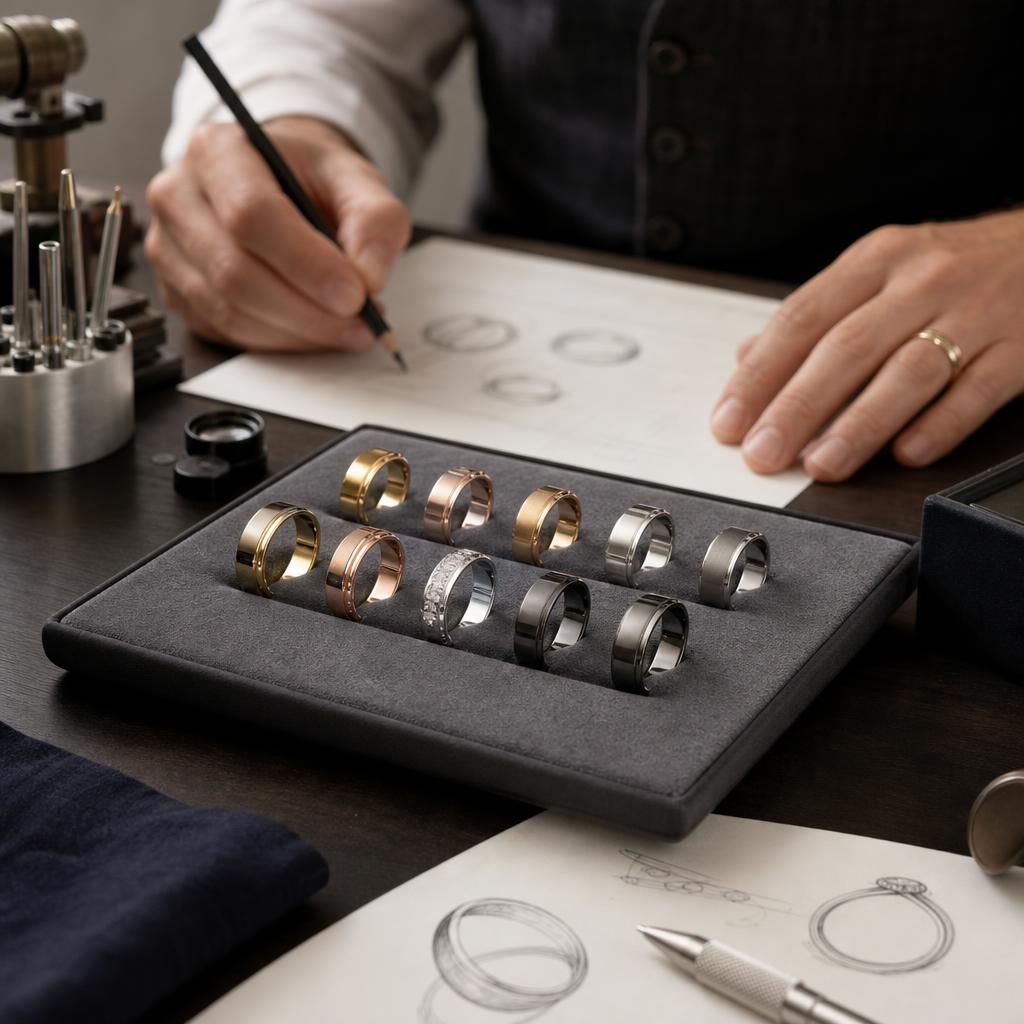
Ethically Sourced Materials
We prioritise sustainability by sourcing metals and gemstones from ethical suppliers, aligning with our values of integrity and responsibility.
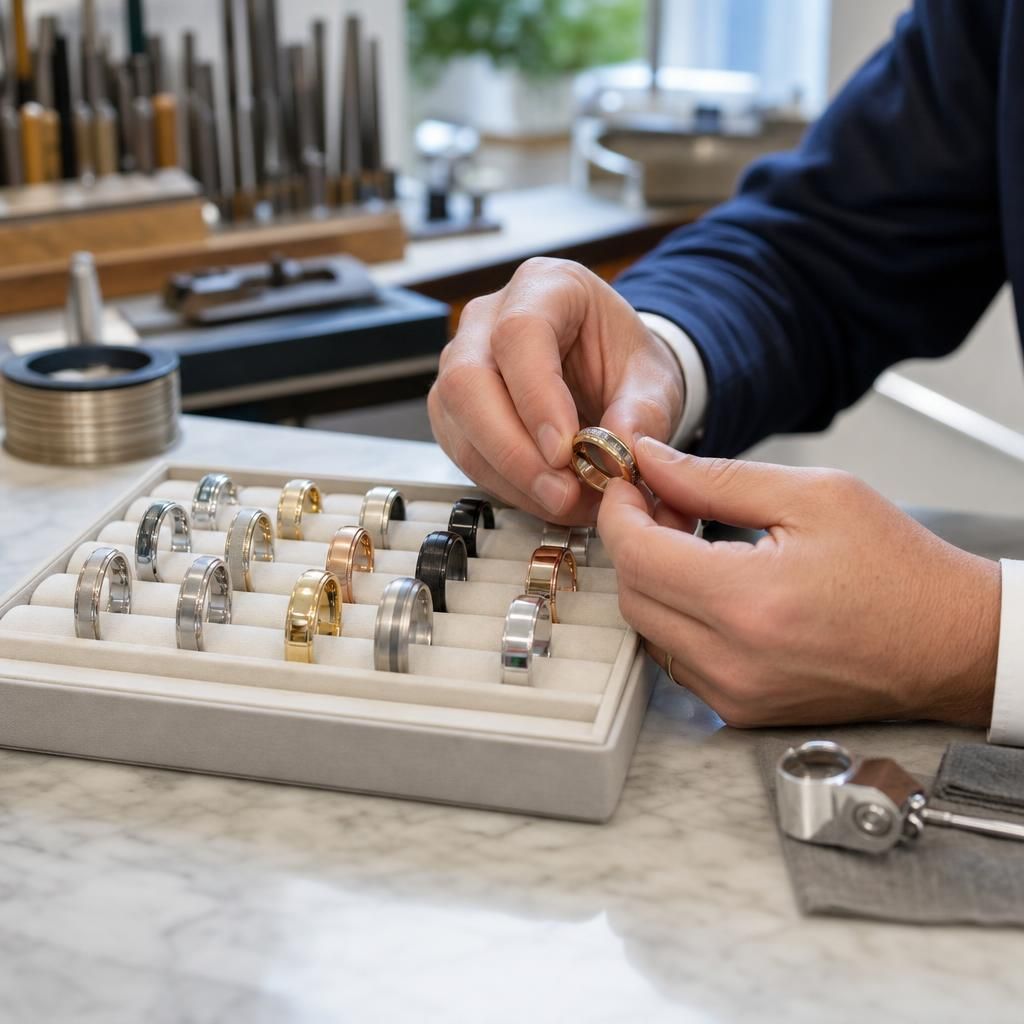
Customer-Centric Service
Our personalised service includes consultations to guide you in choosing the perfect metal and design, ensuring your wedding band is as unique as your relationship.
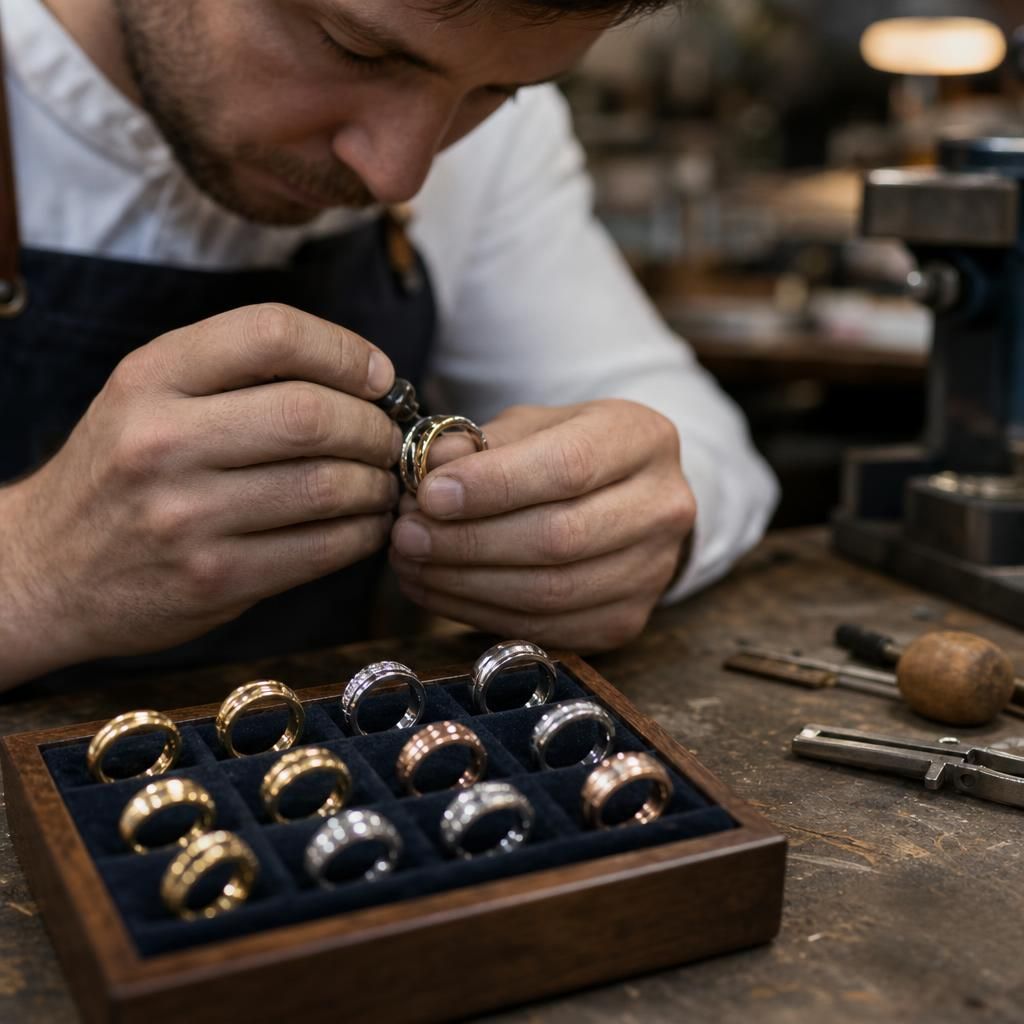
Purchase Guarantee
We offer comprehensive guarantees on our wedding bands, covering craftsmanship and material quality for your peace of mind.
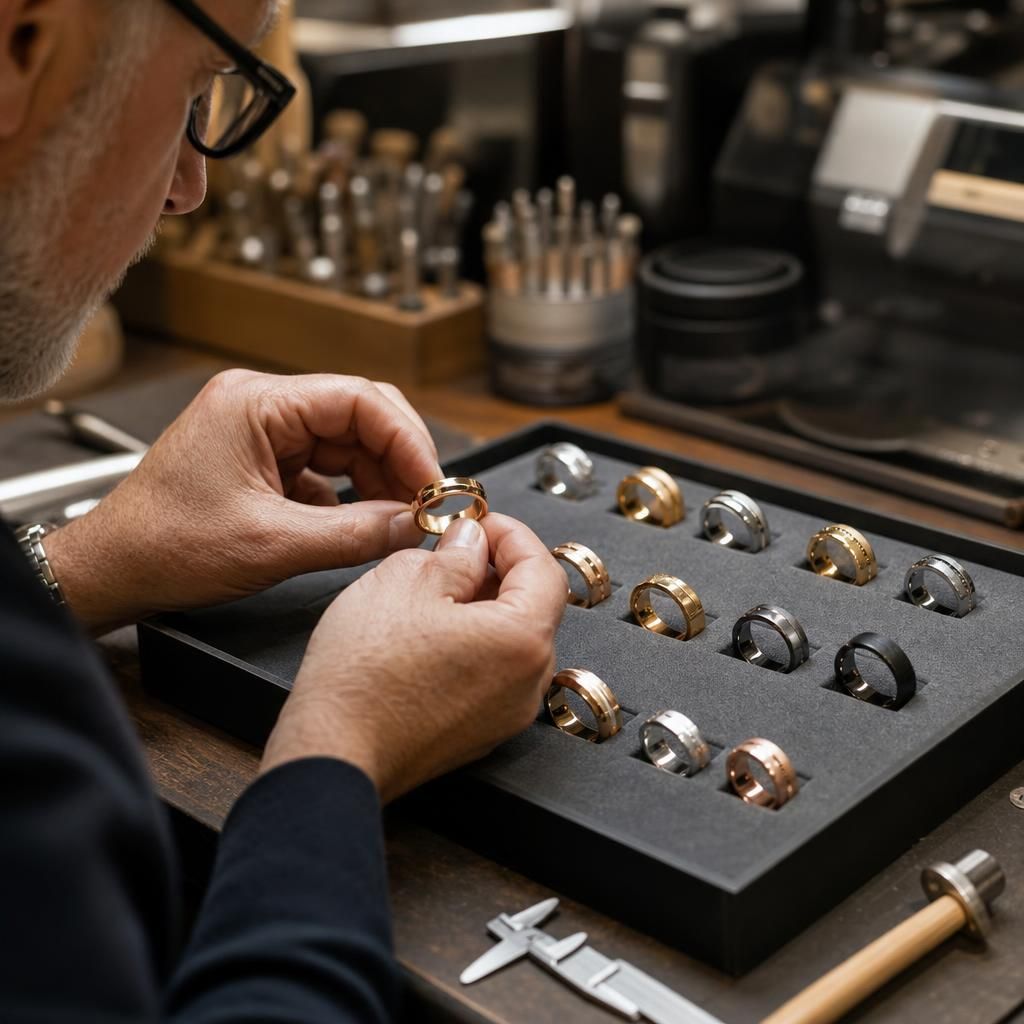
Advanced Techniques
Utilising state-of-the-art techniques, we ensure precision in every aspect of the wedding band creation process, from design to finishing.
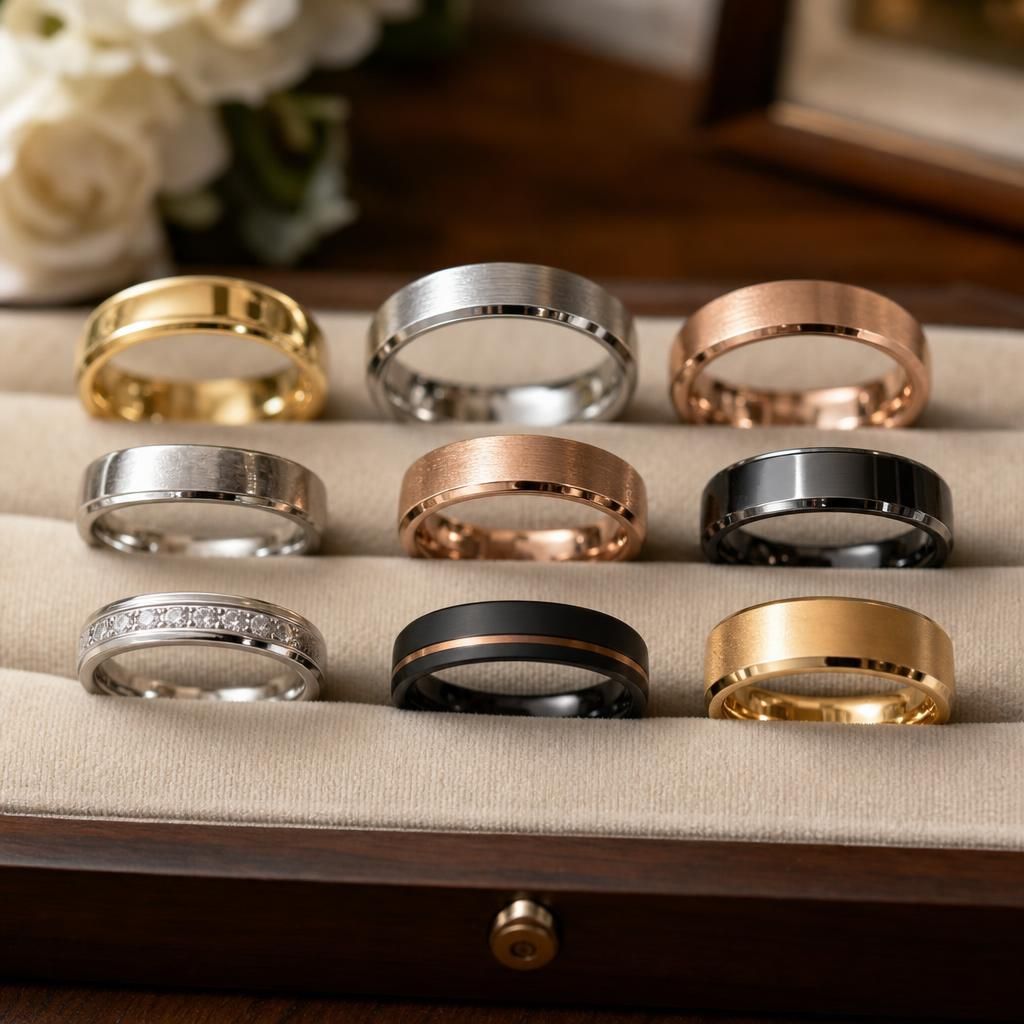
Innovative Designs
Our collection features not only classic styles but also innovative designs, catering to a diverse range of tastes and preferences.
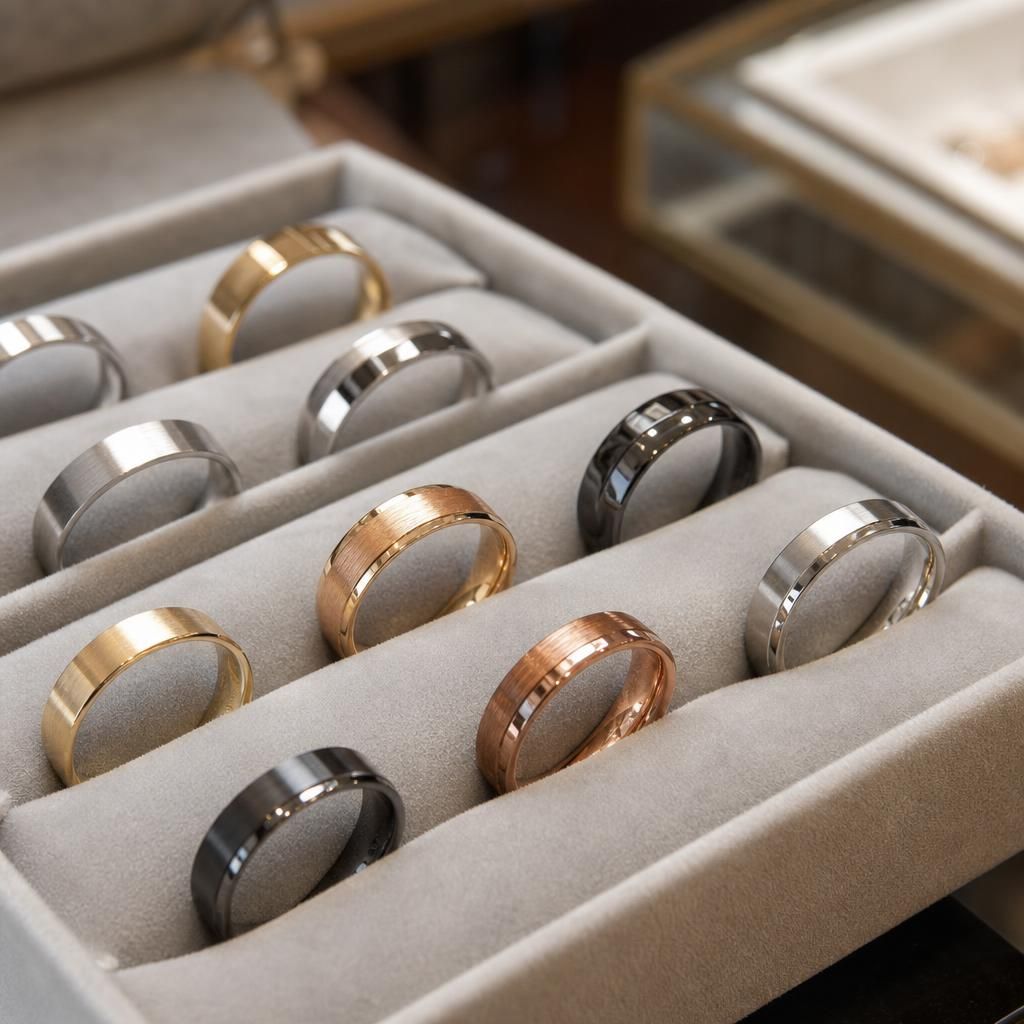
Recycling and Remodelling
We offer recycling and remodelling services, allowing you to transform heirloom pieces into modern wedding bands.
Evaluate the unique traits of various wedding band metals to discover a solution that suits your lifestyle and personal tastes.
When deciding on the ideal wedding band, understanding the characteristics of different metals is essential. Each metal offers unique properties that affect its appearance, durability, and maintenance needs. Traditional choices like yellow gold and platinum remain popular, with yellow gold available in various carats, from 9 to 18, offering different levels of purity and warmth. Platinum, favoured for its strength and hypoallergenic properties, is an excellent choice for longevity, though it commands a higher price due to its density and rarity.
For those exploring contemporary options, titanium and tungsten present appealing alternatives. Titanium is known for being lightweight and resilient, offering a cost-effective solution with impressive durability. In contrast, tungsten stands out for its scratch-resistant qualities, making it suitable for those with active lifestyles. Meanwhile, white gold, often enhanced with rhodium plating for a shiny finish, typically requires periodic maintenance to retain its luster.
When selecting a wedding band metal, it is crucial to balance aesthetic preferences with practical considerations such as costs and lifestyle compatibility. For instance, platinum bands are typically more expensive but offer unparalleled strength, while titanium provides affordability without sacrificing sturdiness. Understanding the unique traits of each metal helps in making an informed choice that aligns with both style and everyday practicality, ensuring the wedding band complements the wearer’s lifestyle and endures over time.
Selecting Your Perfect Metal: The fundamental guide to choosing your ideal wedding band material.
Wedding bands come in various metals, each offering distinct advantages in terms of aesthetics, durability, and practicality. Traditional favourites like yellow gold and platinum remain popular choices; yellow gold is known for its classic warmth and is available in different carats, influencing its colour intensity and strength. Platinum, on the other hand, is celebrated for its durability and hypoallergenic nature, making it an excellent option for longevity but usually at a higher price due to its rarity and weight.
Contemporary metals such as titanium and tungsten provide modern, budget-friendly alternatives without sacrificing robustness. Titanium is lightweight and durable, appealing for those with active lifestyles, while tungsten is renowned for its remarkable scratch resistance, making it an ideal choice for wedding bands that demand longevity with minimal maintenance. Each metal’s characteristics affect not only the appearance but also the cost and upkeep, thus understanding these aspects is crucial when selecting the perfect wedding band material.
Frequently Asked Questions: Understanding Wedding Band Metals
What are the pros and cons of different metals used for wedding bands?
When choosing a wedding band metal, consider factors such as durability, maintenance, cost, and aesthetic appeal. Metals like platinum suit sensitive skin but are pricier, while titanium offers affordability and toughness.
What factors should be considered when choosing the metal of a wedding band?
Consider metal durability, wearability with your lifestyle, budget constraints, and any skin sensitivities. For example, platinum offers strength and hypoallergenic properties, while titanium provides a lightweight, cost-effective option.
How do the different metal carats affect the quality and maintenance of wedding bands?
Higher carat metals contain more pure gold, affecting the colour and softness. Lower carats are harder, more durable, and less prone to scratches but may require more frequent maintenance.
What are the maintenance requirements for different wedding band metals?
Different metals have varying maintenance needs. Platinum requires minimal upkeep, retaining its lustre naturally. Gold bands need periodic polishing to maintain shine, while tungsten is low-maintenance and highly scratch-resistant.
What are the most popular metals for men's wedding bands?
Men's wedding bands often feature metals like platinum, for its durability and hypoallergenic properties, and titanium, known for being lightweight and robust. Gold options, particularly 18ct, offer classic elegance.
Choose Your Perfect Metal: A Guide to Understanding Wedding Band Materials
Choosing the appropriate metal for your wedding band is a pivotal decision that influences both the look and longevity of the ring. Different metals offer various characteristics suited to diverse preferences and lifestyles. Traditional metals such as yellow gold and platinum are favoured for their enduring appeal and hypoallergenic properties, respectively. Yellow gold is available in a range of carats, with higher carats rendering a deeper hue but presenting more softness, which may require frequent maintenance. Platinum, while generally more expensive due to its density and rarity, is incredibly durable and requires less upkeep over time, making it a sound investment for those seeking a timeless and resilient piece.
For couples desiring a more modern touch, metals like titanium and tungsten present viable options. Titanium’s lightweight nature coupled with its durability makes it an ideal choice for those who lead active lifestyles. Tungsten, on the other hand, stands out with its high scratch resistance, offering a maintenance-free experience without compromising on strength. While selecting a wedding band, couples should consider factors such as daily wearability, cost implications, and long-term durability to ensure that the choice made not only complements their personal style but also their lifestyle and budgetary constraints. Understanding these nuances empowers couples to select a metal that marries elegance with practicality, ensuring a symbol of love that endures through the years.
Key Considerations When Choosing Wedding Band Metals
What is the difference between 14k and 18k gold for wedding bands, and how does it affect durability and appearance?
When choosing a wedding band metal, consider its durability, hypoallergenic qualities, and maintenance needs. Traditional options like yellow gold and platinum offer timeless appeal, while titanium and tungsten suit active lifestyles.
Which metal is best suited for individuals with sensitive skin when choosing a wedding band?
Platinum is the ideal metal for sensitive skin due to its hypoallergenic properties, minimizing the risk of irritation while maintaining durability and a premium appearance.
How does the choice of metal impact the long-term maintenance of a wedding band?
The metal choice directly affects long-term maintenance. Precious metals like gold and platinum may require periodic polishing to maintain their shine, whereas metals like tungsten and titanium are low-maintenance and highly scratch-resistant.
How do different wedding band metals affect the overall weight and comfort of the ring?
Heavier metals like platinum offer a substantial feel and enhanced durability, while lighter metals such as titanium provide a comfortable, lightweight experience, ideal for daily wear and active lifestyles.
What are the advantages and disadvantages of choosing a tungsten wedding band compared to other metals?
Tungsten wedding bands offer high scratch resistance and durability, making them ideal for active lifestyles. However, they are not resizable, and their weightier feel may be less comfortable for some.
Explore the Perfect Metal: Book Your Consultation Today
When selecting wedding bands, understanding the variety of metals available is vital to ensuring that the rings not only reflect personal style but also meet practical requirements. Traditional metals such as yellow gold and platinum continue to be highly favoured for their classic appeal and lasting durability. Yellow gold is commonly available in carat values ranging from 9 to 18, with higher carats offering a richer colour but softer composition that might necessitate more frequent polishing. Platinum, highly valued for its strength and hypoallergenic nature, often commands a higher price due to its rarity but requires less upkeep over time, making it a worthwhile investment for those prioritising longevity.
Meanwhile, contemporary options such as titanium and tungsten provide unique benefits suitable for more modern preferences. Titanium is appreciated for its lightweight yet durable characteristics, catering well to those with active lifestyles. Tungsten offers exceptional scratch resistance, minimising maintenance needs while providing robust performance. Couples should weigh factors such as daily wear, cost, and maintenance when choosing the metal for their wedding bands. Considering these aspects will help ensure that the wedding band strikes a perfect balance between elegance and functionality, making it a fitting symbol of the couple’s enduring commitment.