
Is there a significant difference in durability between yellow, white, and rose gold engagement rings?
Yes, there is a notable difference in durability between yellow, white, and rose gold engagement rings. Yellow gold, typically made from a mix of pure gold and other metals such as copper and zinc, tends to be softer than white gold, which is alloyed with stronger metals like palladium or nickel to enhance durability. Rose gold, known for its pinkish hue, derives its durability from a high copper content, making it stronger than yellow gold but slightly less durable than white gold. Choosing between these options involves balancing aesthetic preference with the desired level of durability for everyday wear.
Engagement rings made from yellow, white, and rose gold each have unique durability characteristics influenced by their metal compositions. Yellow gold, known for its traditional allure, is typically a blend of pure gold with metals like copper and zinc. Despite its popularity, yellow gold is relatively softer, making it more susceptible to scratches and wear over time. This softness can be attributed to the higher gold content, which, while providing its classic hue, limits its structural robustness.
White gold, on the other hand, is a more resilient option, crafted by combining pure gold with stronger metals such as palladium or nickel. These alloying metals not only give white gold its lustrous, silvery appearance but also enhance its strength, making it the more durable choice for those with active lifestyles or those who prefer a more hard-wearing engagement ring.
Rose gold offers a distinct aesthetic with its charming pinkish tint, achieved through a higher copper content. This metal composition not only imbues rose gold with its warm colour but also increases its hardness compared to yellow gold. However, while rose gold is tougher than yellow gold, it generally does not surpass the durability of white gold, offering a middle ground for those desiring both durability and a unique style.
When selecting the metal for an engagement ring, consider both aesthetic preferences and the practical demands of everyday wear. While the rustic charm of yellow gold continues to captivate traditionalists, modern clients often lean towards the enhanced durability of white gold or the romantic hue of rose gold. As you are already familiar with our bespoke creations at Steven Charles Quance, rest assured that whichever gold you choose, it will be crafted to meet both your style needs and practical expectations.
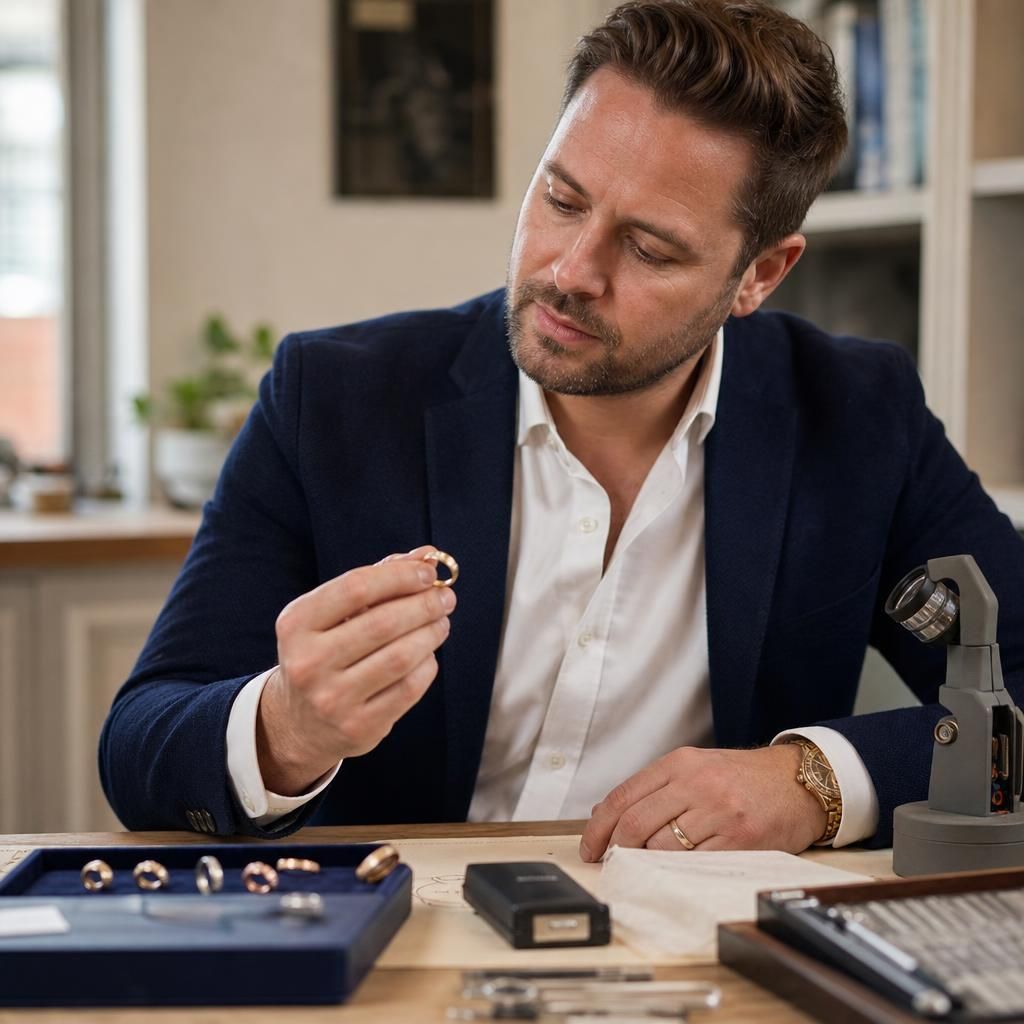
Understanding the durability of different gold alloys is essential when choosing the perfect engagement ring. White gold stands out for its superior durability among the common choices of yellow, white, and rose gold. White gold typically incorporates stronger metals such as palladium or nickel, which contribute to its robustness, making it less prone to scratching or bending. This makes it an excellent option for individuals who lead active lifestyles or prefer a high-resilience engagement ring.
The richness of yellow gold is achieved through blending pure gold with metals like copper and zinc, but this composition tends to make it softer, which can be a consideration for those worried about scratches on a ring worn daily. Conversely, rose gold shares many characteristics with yellow gold due to its high copper content, but it does offer an edge in hardness. The choice of gold colour ultimately balances personal style preferences with the practicalities of wearability and maintenance.