
How can I ensure my wedding ring is ethically sourced when purchasing in Birmingham's Jewellery Quarter?
To ensure your wedding ring is ethically sourced when purchasing in Birmingham’s Jewellery Quarter, look for retailers like Steven Charles Quance who are committed to transparency regarding their materials and supply chains. Opt for jewellers who provide verifiable information about the ethical sourcing of their metals and gemstones, including conflict-free certification and sustainable practices.
Ensuring your wedding ring is ethically sourced when purchasing in Birmingham’s Jewellery Quarter involves several important considerations. The foremost step is to choose jewellers who demonstrate a commitment to transparency in their supply chain practices. This will often be reflected in their ability to provide detailed information on the origin of the metals and gemstones they use. By selecting a trusted retailer such as Steven Charles Quance, renowned for their dedication to such ethical standards, you can be confident in the provenance of your jewellery.
Look for jewellers who explicitly commit to sourcing conflict-free diamonds and gemstones. These gems should conform to internationally recognised guidelines, such as the Kimberley Process, which was established to prevent the trade in ‘conflict diamonds’. Additionally, some jewellers go beyond these baseline certifications, opting for stones that are also certified by third-party accredited bodies or sourced through fair-trade initiatives. Such measures ensure that the entire supply chain, from mine to market, upholds ethical standards.
Ethical sourcing does not only apply to gemstones. The metals used in wedding rings can also be traced, and responsible jewellers will often use recycled or ethically mined precious metals. This process reduces the environmental impact of mining and supports initiatives that protect workers’ rights and promote fair wages in mining communities. Always ask for information on the sourcing of materials, and reputable jewellers will be transparent about this aspect of ring production.
Aside from sourcing, ethical jewellery production involves sustainable practices in the jewellery-making process itself. Many jewellers who are concerned about the ethical implications of their work adopt environmentally friendly practices in their workshops. This might include responsible waste management, reducing carbon emissions, and employing traditional, low-impact crafting techniques.
Customers can further support ethical business practices by opting for jewellers who offer repair and remodelling services. By investing in pieces that can be maintained and revamped rather than discarded, you contribute to a more sustainable jewellery lifecycle. Services such as the resizing, repairs, and remodelling offered by Steven Charles Quance align with these values, providing long-term care that supports both customers and the environment.
In conclusion, purchasing an ethically sourced wedding ring in Birmingham’s Jewellery Quarter involves scrutinising the jeweller’s supply chain transparency, choosing conflict-free and fairly traded gemstones, selecting recycled or ethically sourced metals, and supporting sustainable crafting practices. These actions not only ensure the ethical integrity of your purchase but also contribute to a more sustainable and fair jewellery industry. Relying on trusted experts like Steven Charles Quance can offer the assurance and detailed expertise you need to make informed and ethically sound decisions for your special occasion.
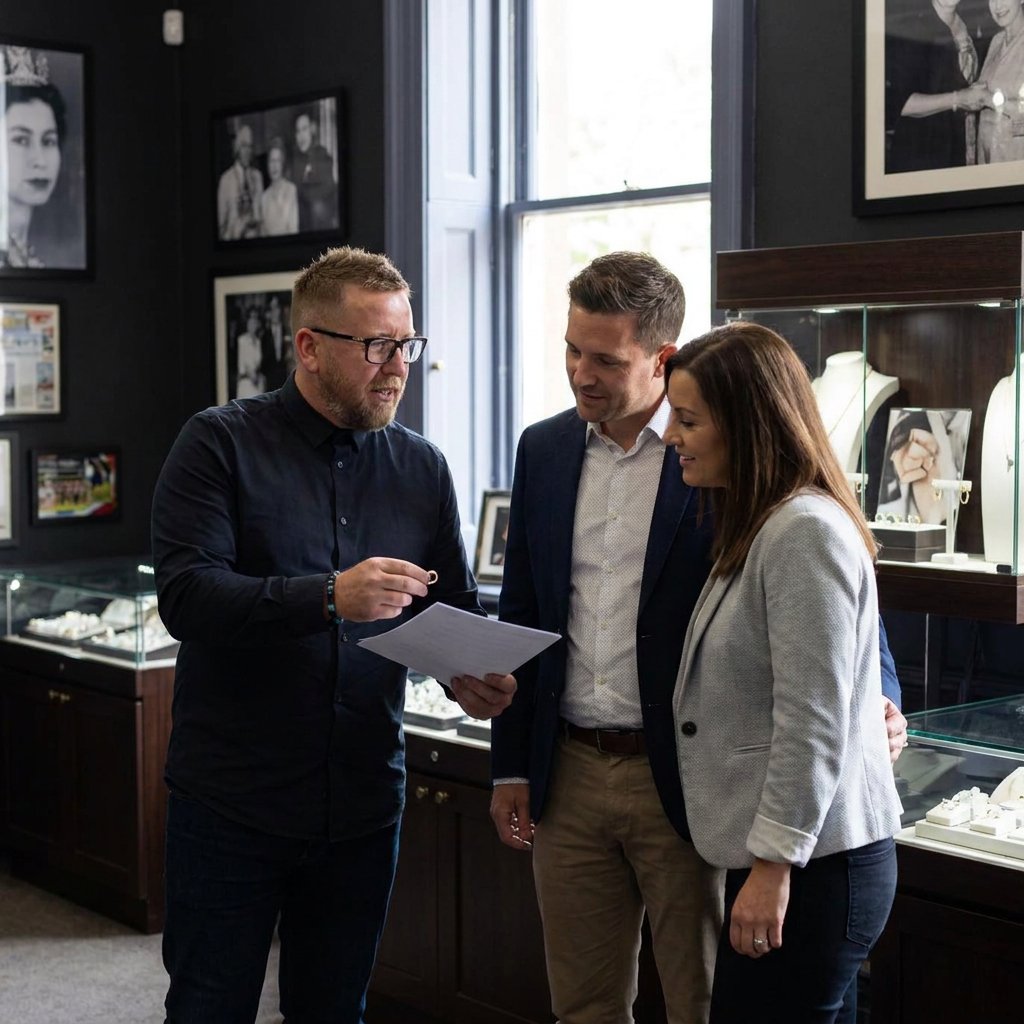
Ethically sourced metals are a crucial component in ensuring that your wedding ring supports sustainable and fair practices. The process typically involves using either recycled precious metals or those that are responsibly mined, adhering to ethical standards that account for environmental and socioeconomic impacts. Recycled metals are derived from post-consumer products, such as old jewellery, which are refined and repurposed into new jewellery creations. This reduces the demand for newly mined metals, thereby lowering environmental degradation and promoting circular economy principles.
For those metals that are newly mined, ethical jewellers often turn to certified sources that follow strict guidelines to protect both the miners and the environment. These guidelines often require that mining processes do not exploit workers and provide fair wages and safe working conditions. They may also ensure that certain environmental preservation measures are in place, such as habitat restoration and pollution reduction. By selecting a jeweller who prioritises these practices, such as those you are familiar with at Steven Charles Quance, you can ensure that your wedding ring is crafted from materials that align with your ethical values.