
What are the differences in settings between lab-grown and natural diamond rings?
Settings for lab-grown and natural diamond rings are not inherently different, as both types of diamonds are physically identical in terms of structural properties. However, design considerations may vary based on the ethical and style preferences of clients. Lab-grown diamonds can offer more flexibility in design given their cost-effectiveness, allowing for more elaborate settings without as high a premium as their natural counterparts. In contrast, natural diamonds may be selected for traditional or sentimental reasons, which can influence the client’s choice in setting style to reflect classic elegance or heritage. Ultimately, both types can be set in a wide range of designs, from classic prong settings to modern bezel or tension settings, catering to diverse aesthetic preferences and individual tastes.
When considering the differences in settings between lab-grown and natural diamond rings, it’s essential to first understand that both types of diamonds share identical chemical and physical properties, making them visually and structurally alike. Therefore, the type of diamond itself does not inherently dictate the setting style. Instead, the main differences in settings can arise from the cost-effectiveness and personal preferences associated with lab-grown and natural diamonds.
Lab-grown diamonds are typically less expensive than their natural counterparts, which opens up possibilities for more elaborate and intricate settings without significant cost implications. This can allow customers to opt for innovative designs such as halo or pavé settings, where a multitude of smaller stones accentuate the central diamond, enhancing its brilliance and overall impact. The affordability of lab-grown diamonds can urge clients to explore bolder design options that might otherwise be prohibitive with natural diamonds.
On the other hand, natural diamonds are often chosen by clients for their uniqueness and traceable history, which can lend to setting styles that are more traditional or carry sentimental value. Classic prong or Tiffany settings are popular choices, celebrating the timeless appeal and heritage associated with natural diamonds. These styles not only highlight the diamond’s inherent beauty but also resonate with the romantic and historical aspects of owning a natural gem.
Both lab-grown and natural diamonds can be set in a versatile array of styles, ranging from vintage-inspired designs to sleek, modern settings like bezel or tension. The decision on the setting style ultimately depends on personal taste, ethical considerations, and the intended symbolism behind the piece. Clients looking for bespoke jewellery options will find that both types of diamonds accommodate a wide spectrum of aesthetic preferences, allowing for truly personalised creations that reflect individual stories and values.
At Steven Charles Quance, we understand the nuances and significance that each choice carries, and we are committed to guiding our clients through these options with expertise and care, ensuring each piece is as unique as the love story it represents.
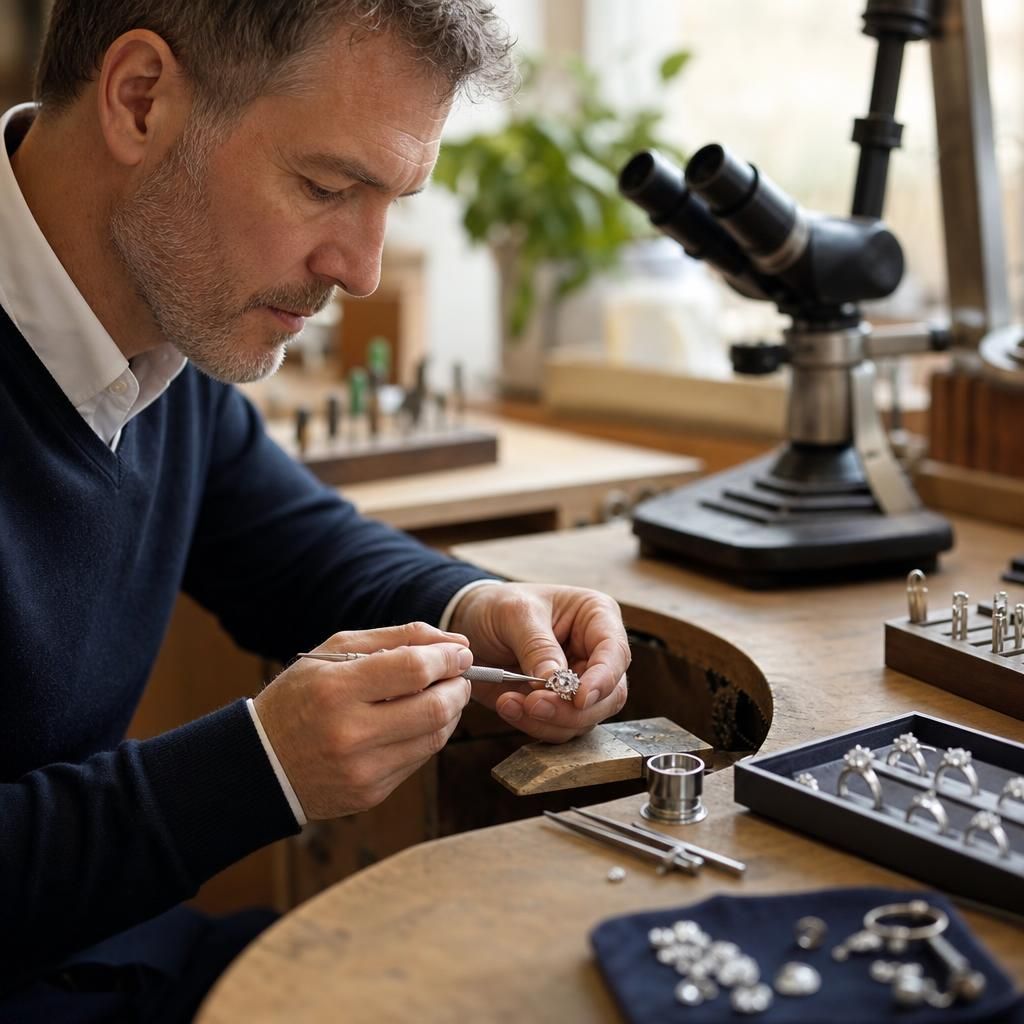
One distinct consideration when choosing settings for lab-grown versus natural diamond rings is their cost and design flexibility. Due to their generally lower price point, lab-grown diamonds allow customers to explore more complex and decorative settings without the concern of exceeding budget constraints. This provides an opportunity to incorporate intricate detailing such as filigree, which involves meticulous metalwork that adds a decorative motif around the diamond. Such elaborate settings can enhance the allure without compromising financial feasibility, offering an avenue for personalised expression that may be more limited with natural diamonds.