
What are the differences between yellow gold, white gold, and sterling silver in bridal sets?
The differences between yellow gold, white gold, and sterling silver in bridal sets primarily involve their composition, appearance, and care requirements. Yellow gold is valued for its classic, warm hue and durability, whereas white gold offers a modern aesthetic with its sleek, silvery appearance. Sterling silver is known for its affordability and bright, shiny finish, though it requires more frequent maintenance to prevent tarnishing. Each metal provides unique characteristics suited to different aesthetic preferences and lifestyle needs.
When comparing the differences between yellow gold, white gold, and sterling silver in bridal sets, it’s essential to consider their composition, appearance, and maintenance requirements. Yellow gold, often alloyed with metals like copper and silver, retains a classic and warm hue, appealing to those who appreciate traditional aesthetics. Its durability makes it a steadfast choice for enduring jewellery pieces. In contrast, white gold, created by alloying yellow gold with metals such as palladium or nickel, offers a contemporary look with its silvery sheen, often preferred by those wanting a modern twist to traditional designs. Both yellow and white gold can be found in various carats, influencing their colour intensity and strength.
Sterling silver, composed of 92.5% pure silver and 7.5% other metals, typically copper, is known for its affordability and brilliant shine, often chosen for its bright appearance and cost-effectiveness. However, it tends to require more consistent maintenance due to its propensity to tarnish. Regular polishing and proper storage can maintain its lustre over time.
Each metal provides distinct advantages suited to personal taste and lifestyle considerations. Yellow gold is unparalleled for its timeless elegance, white gold for its modern versatility, and sterling silver for its accessibility and brightness. When selecting a bridal set, consider not only the visual appeal but also the practical aspects like everyday wear, potential allergies (in the case of nickel allergies in some white gold alloys), and the type of care you are willing to invest in the jewellery to ensure its prolonged beauty.
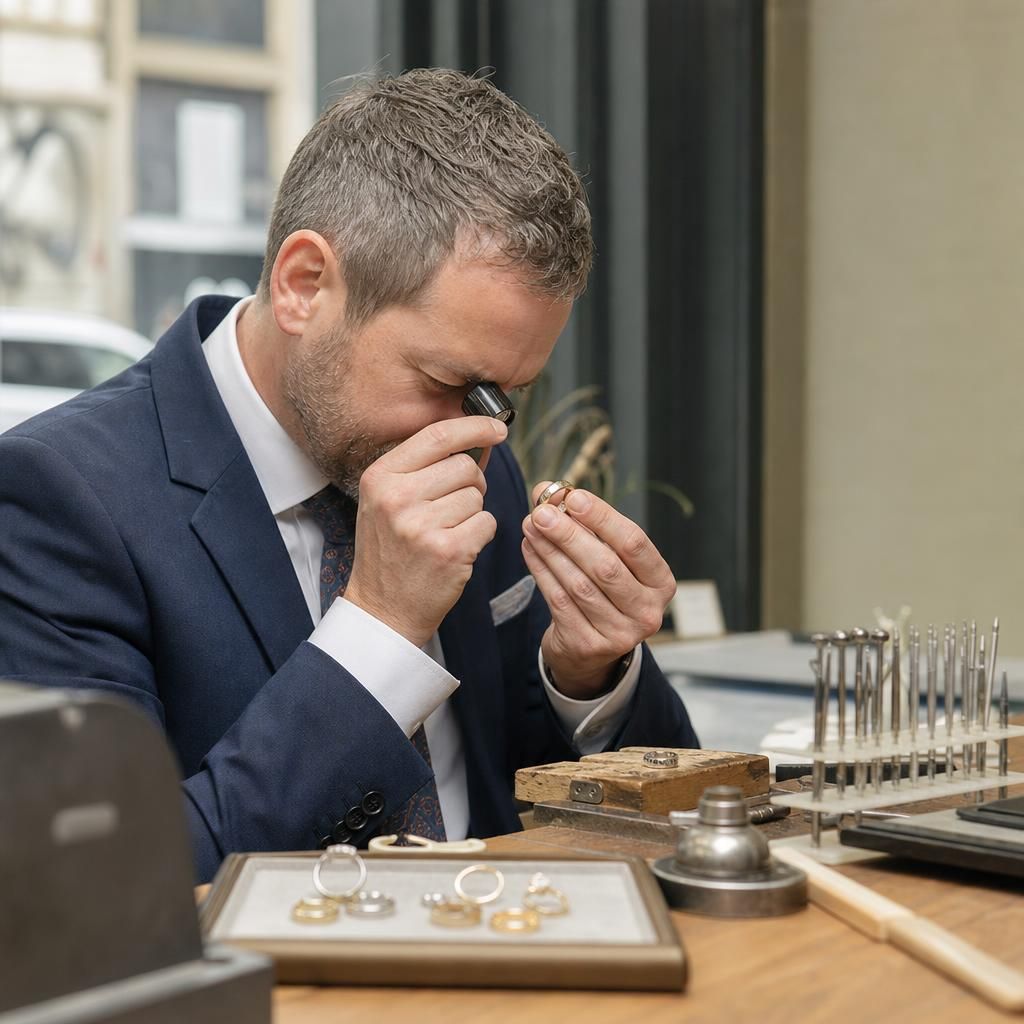
Alloys and Their Implications: Understanding the specific alloys used in yellow gold, white gold, and sterling silver is essential for making an informed decision for your bridal set. Yellow gold is traditionally alloyed with metals like copper and silver, enhancing its durability while maintaining its rich, classic colour. By contrast, white gold is created by alloying yellow gold with metals such as nickel or palladium, which imparts a contemporary, lustrous silver appearance. This modern look often appeals to those seeking a twist on classic styles but may require occasional rhodium plating to maintain its sheen and prevent yellowing. Sterling silver, on the other hand, is made up of 92.5% pure silver and is alloyed with metals like copper to ensure stability and hardness. Although it offers a bright, shiny finish at an accessible price point, sterling silver is prone to tarnishing, necessitating more frequent cleaning and professional maintenance to preserve its brilliance.
Discuss the Right Bridal Set Metal for You
If you are unsure whether yellow gold, white gold or sterling silver is right for your bridal set, speak to Steven Charles Quance for tailored guidance on appearance, durability, care and value. We can help you compare suitable options and choose a design that fits your lifestyle and preferences.