
What factors should be considered when selecting wedding bands for sustainability and ethical sourcing?
When selecting wedding bands for sustainability and ethical sourcing, consider the origin of the materials, the environmental impact of their extraction, and the labour practices of the suppliers. Focus on selecting rings made from recycled metals, responsibly mined gems, and those certified by recognised ethical standards to ensure your choice aligns with your values of sustainability and fairness.
Selecting wedding bands with sustainability and ethical sourcing in mind involves a careful assessment of several critical factors, ensuring that your choices reflect your values of environmental and social responsibility. The primary consideration is the origin of the materials used in crafting the rings. Opt for metals that are either recycled or sourced from certified responsible mines. Recycled metals, such as gold, platinum, and silver, minimise the environmental impact by reducing the demand for new mining activities, while responsibly mined materials are extracted under ethical labour and environmental standards.
The ethical sourcing of gemstones is another essential element. Seek diamonds and other gems that adhere to certification schemes, such as the Kimberley Process, which aims to eliminate the trade in conflict diamonds. However, be aware that the Kimberley Process has limitations, so look for suppliers who go beyond this certification by offering gems with full traceability from mine to market. Lab-grown diamonds can also be an eco-friendly and ethically sound choice, offering the same visual appeal as their natural counterparts without the ethical concerns associated with mining.
Identifying jewellers, like Steven Charles Quance, who prioritise ethical practices is vital. Ensure that the jeweller is transparent about their sourcing and committed to sustainability initiatives. Engaging with those who offer bespoke services allows for a deeper understanding of the materials’ origin and the craftsmanship involved, ensuring that each piece is unique and aligned with your pledge to sustainable practices.
Lastly, consider the aftercare and longevity of the wedding bands. Rings designed with quality craftsmanship not only last a lifetime but also reduce the need for replacements, thus minimising resource use. Services such as resizing, repairs, and remodelling offered by trusted jewellers play a crucial role in maintaining the rings’ condition without compromising on sustainability. By taking these factors into account, you can make an educated and ethically responsible choice for your wedding bands, reflecting both your personal commitment and an awareness of broader environmental and social implications.
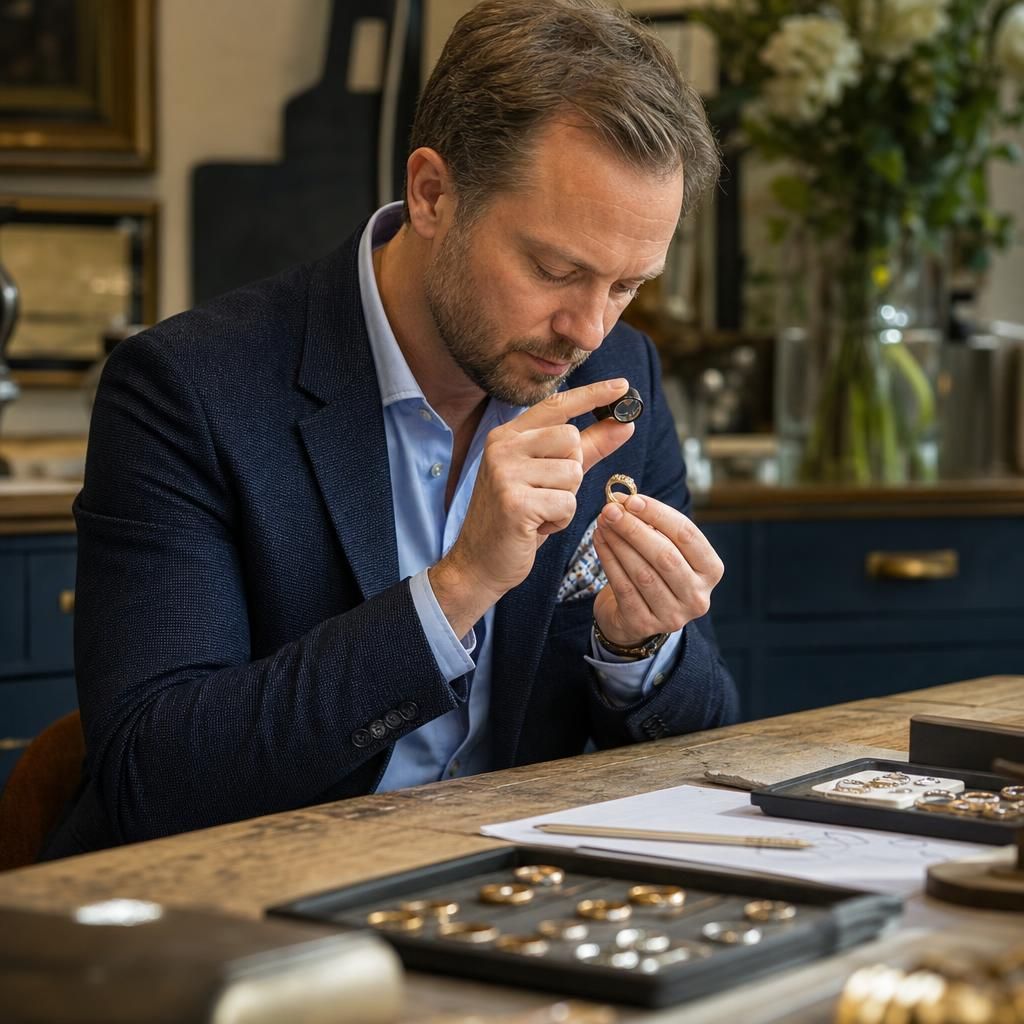
One critical consideration when selecting wedding bands for sustainability and ethical sourcing is the choice of recycled metals. Recycled metals like gold, platinum, and silver are often sourced from existing jewellery or industrial sources, significantly reducing the environmental footprint associated with traditional mining processes. This practice not only conserves natural resources but also diminishes the ecological damage typically caused by extraction methods. By choosing recycled metals, you actively participate in reducing the demand for newly mined materials, thereby promoting a circular economy and sustainable resource management.
Discuss Sustainable and Ethically Sourced Wedding Bands
For guidance on responsibly sourced metals, recycled options and traceable gemstones, speak to Steven Charles Quance about creating or selecting a wedding band that reflects your ethical priorities. We can discuss sourcing, craftsmanship and aftercare during a personal consultation.