
What material considerations should be made for silver signet rings?
When considering materials for silver signet rings, it is crucial to evaluate the quality and purity of the silver, as well as its durability and suitability for engraving. Sterling silver, composed of 92.5% pure silver and 7.5% other metals like copper, is often preferred for its optimal balance between strength and lustre. This makes it not only ideal for detailed designs but also ensures that it can withstand the wear and tear of daily use. Attention should also be given to the ethical sourcing of the silver, aligning with the values of discerning clients who prioritise both craftsmanship and environmental responsibility.
When selecting materials for silver signet rings, it is essential to begin with the composition of the silver itself. Sterling silver is the standard choice, consisting of 92.5% pure silver alloyed typically with 7.5% copper to enhance its durability. This combination retains silver’s natural sheen while providing the requisite hardness to maintain detailed engraving.
Durability should be a key consideration, particularly for signet rings which are often intended for daily wear. The addition of copper in sterling silver strikes a balance between the softness of pure silver and the strength required to withstand everyday activities. It’s important to acknowledge, however, that silver can tarnish over time due to exposure to air and moisture. A simple polishing routine can readily maintain its appearance.
Ethical considerations are also increasingly important in material selection. Our clientele often values the sourcing of materials which align with high standards of environmental and social responsibility. Ethically sourced silver, which ensures fair mining practices and minimises environmental impact, can add value to your piece not just aesthetically, but ethically.
Attention to craftsmanship during the production of a silver signet ring cannot be overstated. With the intricate nature of signet ring designs, it is crucial that the silver is not only of high quality but also skilfully shaped to achieve precise and enduring engravings. This level of detail demands both expertise and experience in handling precious metals.
Ultimately, material considerations for silver signet rings encompass the inherent qualities of sterling silver, such as its durability and suitability for fine engravings, alongside ethical sourcing of materials and meticulous craftsmanship. By evaluating these aspects, you can ensure that your silver signet ring not only meets aesthetic and practical expectations but also reflects a commitment to responsible luxury.
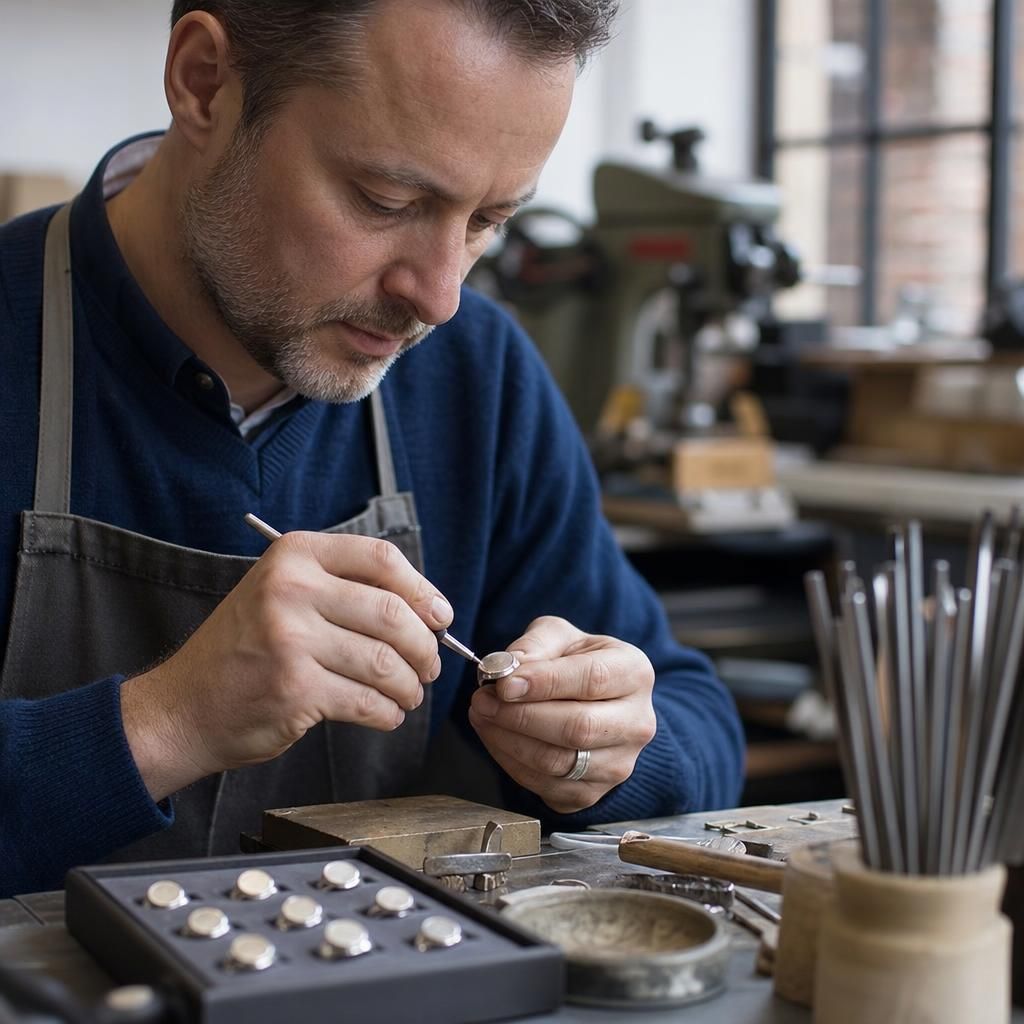
Understanding the Properties of Sterling Silver in Signet Rings
When evaluating materials for silver signet rings, sterling silver emerges as a popular choice due to its balanced composition of 92.5% pure silver and 7.5% copper. This specific alloy retains silver’s appealing lustre while significantly enhancing its strength and resistance to everyday wear. For those interested in detailed engravings, sterling silver provides a workable yet durable medium, allowing intricate designs to be both achieved and preserved over time.
To maintain the elegant appearance of a sterling silver signet ring, regular care such as polishing is advisable. This prevents tarnishing caused by exposure to air and moisture, ensuring the ring retains its lustre and detail. Additionally, opting for ethically sourced silver not only supports responsible mining practices but also aligns with the values of those who prioritise ethical considerations in luxury purchases.
Discuss Your Silver Signet Ring Material Options
Discuss your silver signet ring material options with Steven Charles Quance for expert guidance on durability, finish, engraving and responsible sourcing. We can help you select the specification that best suits your design and how you intend to wear it.