
What impact do ring materials have on finding your correct ring size?
The material of a ring can significantly influence the accuracy of your ring size. Different materials, such as gold, platinum, or titanium, can affect comfort and fit due to their varying densities and properties. Understanding these distinctions helps in selecting a ring size that ensures both aesthetics and practicality.
The material of a ring plays a crucial role in determining the correct ring size due to variations in density, weight, and malleability. Different materials such as gold, platinum, palladium, and titanium each possess unique properties, impacting how they sit on the finger and consequently, the comfort and fit.
Gold, widely used in jewellery, comes in various karats that indicate its purity. Higher karat gold, being softer, may offer a slightly different fit compared to lower karat options due to its greater malleability. This flexibility allows the material to adjust more easily over time, potentially requiring more frequent checks and adjustments to maintain a perfect fit.
Platinum, known for its density and weight, provides a snug fit without wearing down easily. Its heaviness, however, means it might be more noticeable on the finger, suggesting a need for precise sizing to ensure comfort throughout wear. The robust nature of platinum minimises deformation, making it ideal for those seeking longevity in their piece.
Titanium, a modern choice for rings, is exceptionally strong yet lightweight. Its non-malleable nature means it doesn’t easily adjust or resize, which necessitates an accurate initial measurement. Users will appreciate its durability, especially for everyday wear.
Palladium shares similar properties with platinum but is noticeably lighter, offering a comfortable alternative without compromising on strength. Its hypoallergenic properties also make it a preferred choice for sensitive skin, thus broadening its appeal to a wider clientele seeking both comfort and functionality.
Understanding these material differences aids in selecting the right fit, balancing durability, weight, and comfort. Our experts at Steven Charles Quance are adept at guiding clients through this selection process, ensuring each piece not only meets the aesthetic desires of our clients but also fits functionally and comfortably. Recognising that ring material affects overall sizing, we provide tailored advice for adjustments over time, accommodating lifestyle changes to maintain a perfect fit.
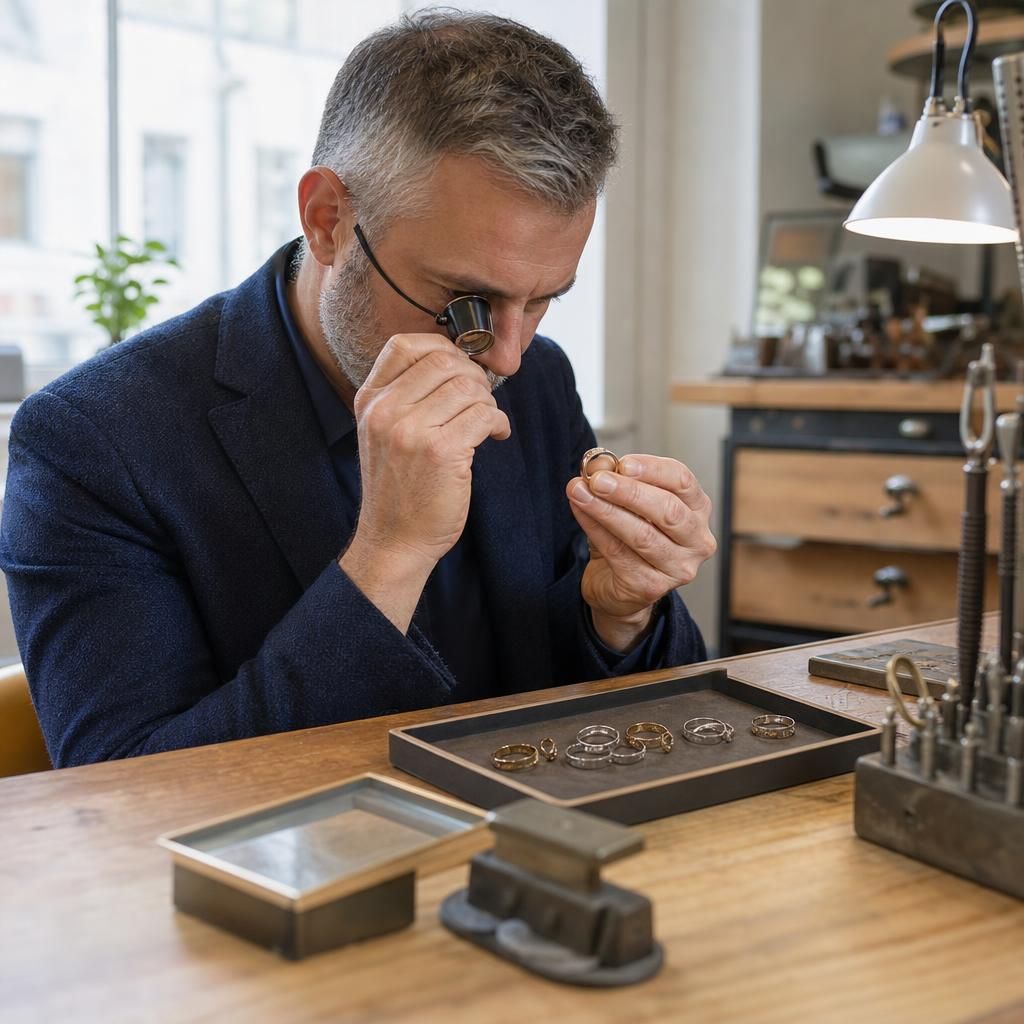
When considering the impact of ring materials on finding the correct ring size, it is essential to focus on the practical properties of each material. For instance, the density and weight of the chosen material can significantly influence the as-worn fit of the ring. Heavier materials like titanium may feel snugger than lighter counterparts such as sterling silver, despite being the same measured size. This is because the weight of heavier metals causes them to sit differently on the finger, often necessitating a slightly larger size for comfort.
Additionally, the malleability of materials affects not just sizing but long-term fit and comfort. Metals like gold (especially higher karats) are more malleable, which means they can more easily conform to slight changes in finger size over time. Conversely, non-malleable metals such as titanium necessitate precise initial sizing as they cannot be adjusted easily once crafted.
From a practical standpoint, understanding these attributes helps in selecting the ideal size and ensuring prolonged satisfaction with the ring’s fit. At Steven Charles Quance, we consider all these factors to provide advice tailored to your individual needs and preferences, ensuring a perfect balance between aesthetics, functionality, and enduring comfort.