
How does gold valuation differ from jewellery appraisal for insurance?
The distinction between gold valuation and jewellery appraisal for insurance purposes lies primarily in their focus and scope. Gold valuation assesses the value of the gold component based on its weight and purity, independent of any handcrafted details or gemstones it may contain. In contrast, jewellery appraisal considers the entire piece’s artistic, historical, and material worth, including design intricacies and other component values, to determine its replacement cost or market value for insurance coverage.
Gold valuation and jewellery appraisal serve distinct purposes within the context of insurance and asset assessment. Understanding these differences is crucial for those looking to protect their investments. Gold valuation focuses solely on the gold itself, evaluating its worth based on the material’s weight, carat purity, and current market rates. This process is technical and objective, as it isolates the gold from any other features the item may possess.
Jewellery appraisal, on the other hand, is a more comprehensive assessment. It considers the item as a whole, combining the intrinsic value of the materials with aesthetic, artistic, and historical significance, if any. An appraisal assesses gemstones, craftsmanship, design originality, and fashion trends that may influence the piece’s market value or replacement cost. Consequently, for insurance purposes, a jewellery appraisal provides a more holistic view, offering a figure intended to reflect the current cost of replacing or replicating the piece.
When arranging insurance cover or claims, it’s crucial to understand that relying solely on a gold valuation might lead to underinsurance. For bespoke, high-end jewellery or luxury watches, which often involve significant non-material value, a comprehensive jewellery appraisal ensures appropriate coverage. Clients at Steven Charles Quance benefit from detailed and authoritative assessments, ensuring both the gold’s intrinsic value and the complete piece’s rarity and craftsmanship are accounted for, offering peace of mind and financial protection.
In sum, while both processes are essential, their applications differ significantly. Regularly updating both appraisals and valuations can further safeguard against market fluctuations, thus preserving the true worth of your bespoke jewellery and ensuring complete protection under your insurance policy.
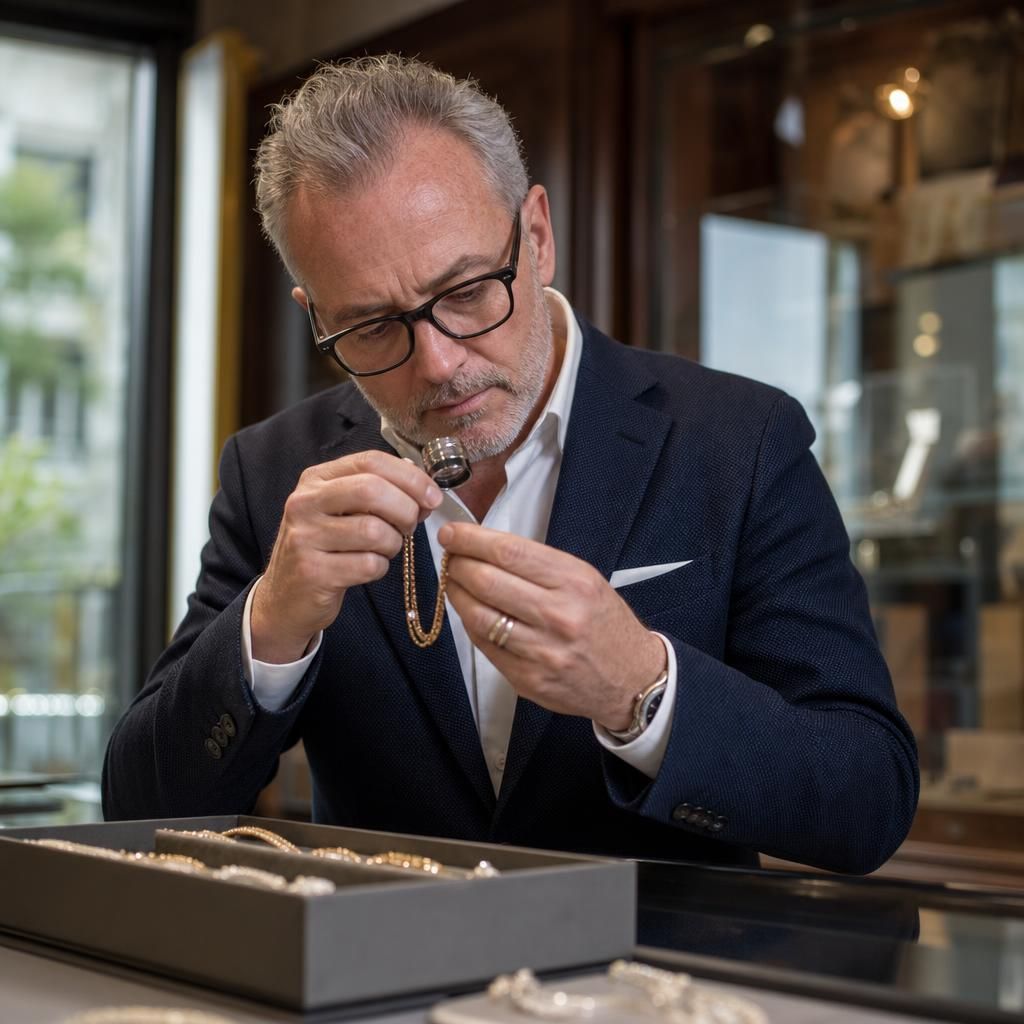
When appraising jewellery for insurance purposes, considerations extend beyond gold’s market value due to the unique components and craftsmanship involved in bespoke jewellery pieces. A key point to understand is that jewellery appraisal accounts for the intricate elements that elevate a piece beyond its raw material value. Factors such as gemstone quality, design intricacy, and historical significance play a critical role in determining the overall value of the jewellery. This comprehensive approach not only reflects the true worth of an item but also ensures that insurance coverage is sufficient to cover potential replacement costs.
For instance, a luxury watch or a custom engagement ring at Steven Charles Quance exemplifies meticulously crafted artistry and distinctive elements that are considered in a jewellery appraisal. By contrast, a straightforward gold valuation is more technical, assessing only the gold content based on its weight and purity, without considering artistic and emotional value. Recognising this distinction provides clients with better protection and greater understanding when insuring precious items.
Arrange Your Gold Valuation or Jewellery Appraisal
Arrange a professional gold valuation or jewellery appraisal with Steven Charles Quance to ensure your insurance documents accurately reflect your piece’s current replacement value. Contact us to discuss your jewellery and the documentation your insurer requires.