
What are the maintenance considerations for gold engraved bracelets?
Maintaining the elegance and value of your gold engraved bracelets involves regular cleaning and proper storage to preserve their lustre and detail. Consider gentle cleaning techniques using a mild soap and soft cloth to remove dirt and oils, and store each bracelet individually in a soft pouch to prevent scratches and tarnish. Regular professional check-ups at Steven Charles Quance are recommended to ensure the engravings retain their clarity and the bracelet’s integrity remains intact.
Maintaining the charm and durability of your gold engraved bracelets requires attentive care and understanding of a few key maintenance aspects. Gold, while being a remarkably resilient metal, is not impervious to the effects of daily wear. Engravings, in particular, demand special attention to ensure that their intricate details remain as clear and striking as they were when first crafted.
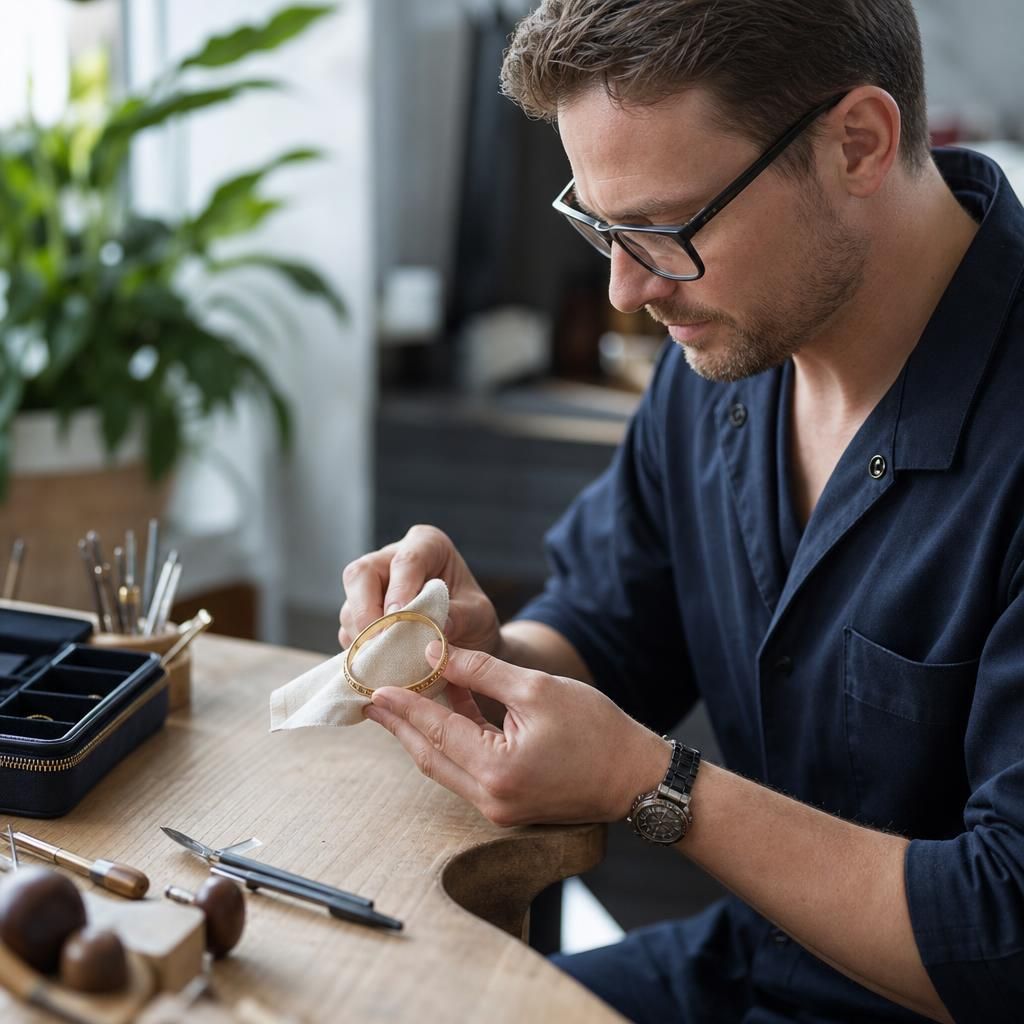
Cleaning your gold engraved bracelets should be a regular part of your jewellery care regimen. Begin by using a mild, non-abrasive soap and warm water, along with a soft cloth or a delicate-bristled brush, to gently cleanse the bracelet. This method effectively removes oils, dirt, and other residues that can dull the gold’s shine. Once cleaned, rinse thoroughly with clean water to eliminate any soap residues, which can otherwise build up and affect the clarity of engravings.
It is equally important to store your gold bracelets properly to avoid scratches and tarnishing. Each bracelet should be placed in its own soft-lined pouch or compartment, preventing contact with other jewellery that could cause abrasions. Furthermore, storing your bracelets in a dry, cool place away from direct sunlight and humidity further protects them from environmental damage.
Professional maintenance is another crucial element in the longevity of gold engraved bracelets. Regular check-ups, ideally once or twice a year, conducted by specialists like those at Steven Charles Quance, can identify and rectify early signs of wear or damage. These professional evaluations ensure that the engravings remain crisp and that the structural integrity of the bracelet is preserved.
Avoiding exposure to harsh chemicals and abrasive surfaces is a preventive measure that cannot be overstressed. Everyday activities such as cleaning, swimming, or exercising can expose your jewellery to substances that may lead to discolouration or structural compromise. Removing your bracelets during such activities is a simple yet effective way to safeguard their elegance and craftsmanship.
In conclusion, maintaining your gold engraved bracelets involves a harmonious blend of regular cleaning, conscientious storage practices, and periodic professional care. By adhering to these maintenance considerations, you ensure that your bracelets continue to be cherished mementoes, retaining their beauty and significance for many years to come.
A crucial aspect of maintaining gold engraved bracelets involves understanding the effects of common substances and activities on gold. Gold is a noble metal, meaning it resists corrosion and tarnishing, but it can still be vulnerable to certain chemicals and abrasive materials. Chemicals found in household cleaning products, cosmetics, and pool water can cause discolouration or dull the finish of your bracelet. To preserve the clarity and brilliance of the engravings, it is advisable to remove your gold bracelets before engaging in household chores, applying beauty products, or swimming. This preventive step helps in safeguarding the intricate details of the engravings and maintains the bracelet’s shine and value over time. Regular reminders about these precautions can be valuable, ensuring the longevity and continued beauty of your cherished gold jewellery.