
What factors determine the accuracy of a gold valuation?
The accuracy of a gold valuation primarily depends on the current market price of gold, the purity of the gold being assessed, and the professional expertise of the valuer. Precise measurements and analysis of these factors ensure a fair and reliable appraisal.
The accuracy of a gold valuation is primarily determined by a combination of market dynamics, the intrinsic properties of the gold, and the expertise of the valuer. Gold valuations begin with the prevailing market price of gold, known as the ‘spot price’, which fluctuates based on supply and demand factors, geopolitical events, and economic indicators. This price forms the baseline for any valuation, directly impacting the assessed value of the gold.
Another critical factor is the purity of the gold being appraised. Gold is often alloyed with other metals to enhance its hardness and colour, and its purity is measured in carats. Common standards include 24 carats (pure gold), 18 carats, and 9 carats, each representing a different percentage of gold content. Accurately determining and verifying the carat weight is essential to ensure a precise valuation.
Additionally, the condition and form of the gold item influence its valuation. For example, gold jewellery that is handcrafted or features intricate design elements could be valued more highly due to the craftsmanship involved. In contrast, a simple gold bar might be priced more straightforwardly, based on its weight and purity.
The valuer’s expertise is also pivotal in ensuring an accurate appraisal. An experienced valuer will have a nuanced understanding of market trends, the skills to accurately test gold purity, and the capability to evaluate craftsmanship and condition. Their ability to provide a transparent assessment by considering all relevant factors cannot be understated.
Furthermore, documentation and provenance play a substantial role in gold valuation, particularly in the case of bespoke jewellery pieces and luxury timepieces. Well-documented pieces with clear histories and certifications often command higher valuations due to the added confidence in authenticity and origin.
At Steven Charles Quance, we ensure that all these factors are diligently assessed, providing a comprehensive and reliable gold valuation that caters specifically to the bespoke nature of our clientele’s pieces. This attention to detail not only helps in obtaining an accurate valuation but also reinforces our commitment to trust and personalised service.
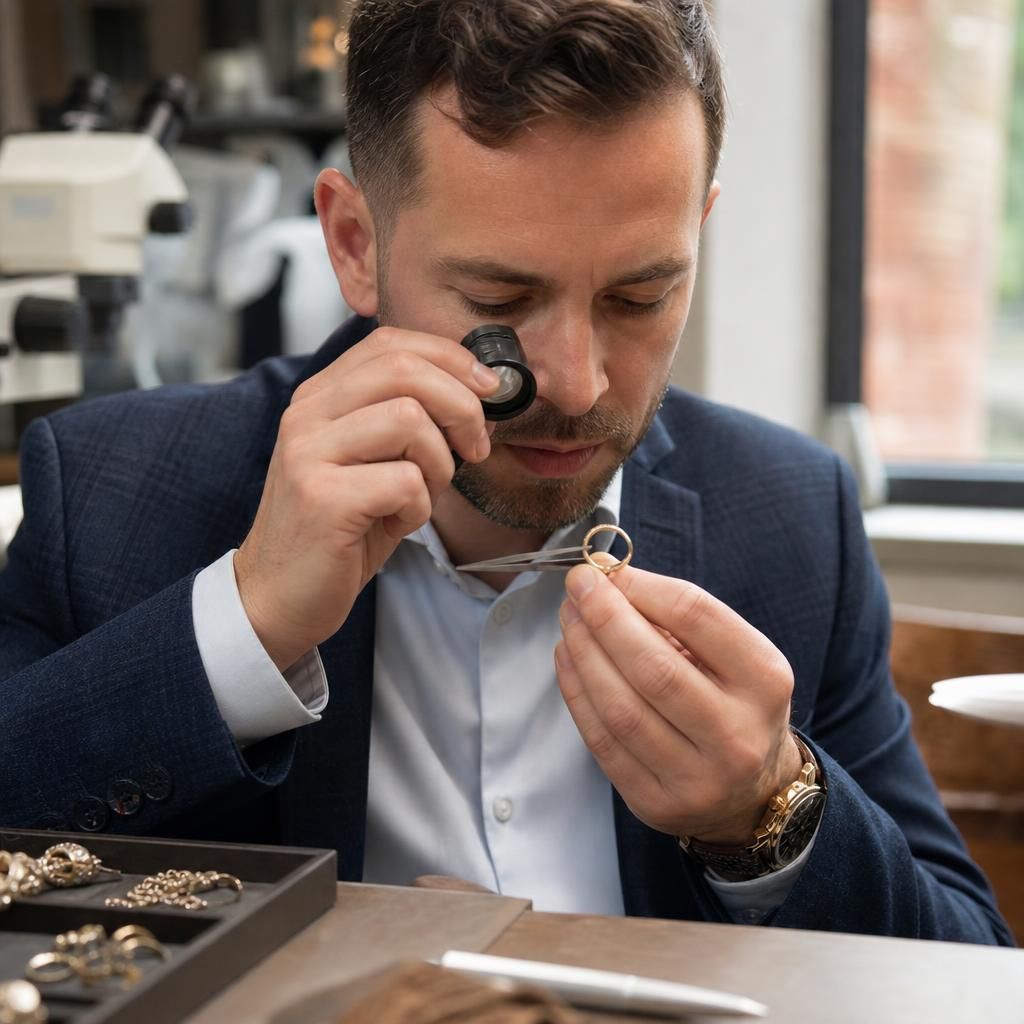
When evaluating the accuracy of a gold valuation, one crucial aspect to consider is the purity testing method employed by the valuer. Gold purity is determined using various testing techniques, each tailored to provide a precise assessment of the carat content. Traditional methods, such as the acid test, are widely used for their cost-effectiveness and simplicity, involving the application of acid to a small sample of the gold. More advanced techniques, like X-ray fluorescence (XRF) spectrometry, offer non-destructive testing with higher precision, ideal for intricate jewellery pieces. Selecting the appropriate testing method is essential, as it ensures that purity levels are accurately assessed, contributing significantly to the overall valuation accuracy.