
Are there any risks to buying second-hand jewellery?
Yes, buying second-hand jewellery can carry certain risks, primarily concerning authenticity, condition, and fair valuation. It’s vital to ensure that the jewellery is not only genuine but also free from undisclosed repairs or damage. Without proper expertise, buyers may inadvertently purchase items that are overpriced or misrepresented. Engaging with a reputable and knowledgeable jeweller can mitigate these risks, offering peace of mind and ensuring a satisfactory purchase.
Buying second-hand jewellery involves several risks, primarily concerning authenticity, condition, and accurate valuation. The most significant challenge lies in ensuring that the jewellery piece is genuine and not a sophisticated replica. Authenticity extends beyond the precious metals and stones, encompassing designer trademarks and certifications. To mitigate this risk, it is essential to engage with experienced jewellers who provide authenticated records and appraisals.
Another risk stems from the potential for hidden damages or undisclosed repairs. Second-hand jewellery could have been restored or modified, and such alterations can affect not only the piece’s aesthetics but also its structural integrity. Before purchase, scrutinise the item for signs of wear or repair marks, or consult a professional to undertake a thorough assessment. A reputable jeweller often conducts these checks, offering assurance of the item’s quality and longevity.
Valuation risk is also pertinent; without current market awareness, buyers might overspend on pieces that do not justify their price tag. The dynamic nature of jewellery pricing, influenced by design trends, rarity, and material costs, necessitates an understanding of fair pricing practices. Professional jewellers can provide informed counsel, highlighting a piece’s market value and ensuring a fair purchase.
Finally, consider the potential ethical and environmental implications involved. Verify the jewellery’s provenance to ensure materials were sourced ethically and sustainably. Transparency in this area is crucial, and established jewellers often invest in responsible sourcing practices. By working with a jeweller like Steven Charles Quance, who prioritises ethical craftsmanship, you can confidently navigate these risks and secure a worthwhile, second-hand treasure.
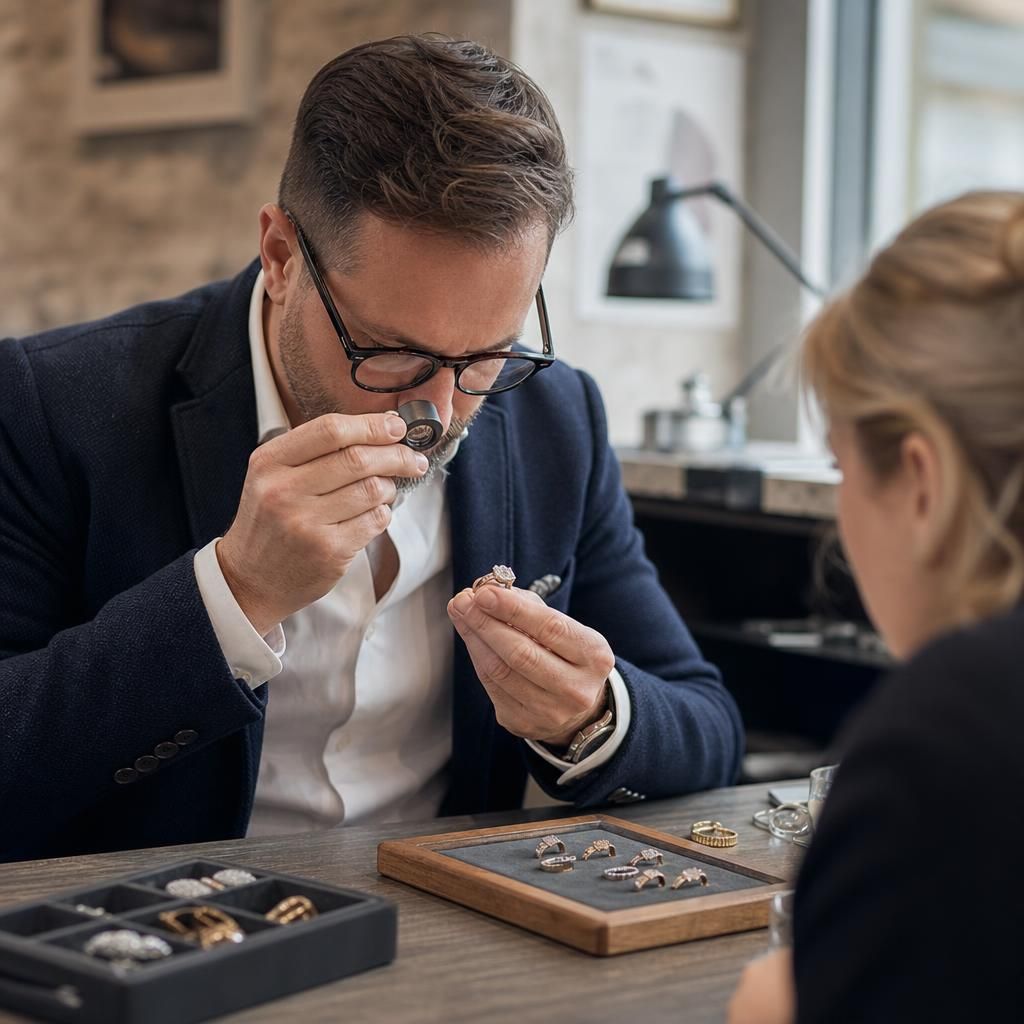
One of the key risks when buying second-hand jewellery is the concern over hidden damages or undisclosed repairs. These can significantly impact both the visual appeal and functional integrity of a piece. When jewellery has undergone repairs or modifications that aren’t immediately evident, it can lead to issues such as weakened settings, inaccurate gemstone placements, or compromised metal strength. This is especially critical with intricate designs or vintage pieces where structural integrity is paramount. To navigate this, it’s advisable to closely inspect the jewellery for any signs of wear or alterations. Engaging the services of an experienced jeweller who offers thorough assessments can provide reassurance and professional insight into the condition of your potential purchase. This expert evaluation ensures that you make a well-informed decision and secure a piece that meets both your aesthetic desires and quality expectations.