
What should I look for when inspecting my jewellery for potential repairs?
When inspecting your jewellery for potential repairs, focus on checking for loose stones, broken prongs, signs of wear on the metal, and malfunctioning clasps or closures. Pay particular attention to any areas that may catch on clothing, as continual snagging can worsen existing issues. Regular inspections will ensure timely repairs, preserving the integrity and beauty of your pieces.
Regularly inspecting your jewellery is a crucial step in maintaining its condition and ensuring longevity. Begin by examining the settings, where stones are mounted. Look for any signs that stones may be loose or misaligned, which may indicate worn or damaged prongs. This is a common issue, especially in engagement rings, as they are worn daily. Next, assess the metal itself for any indications of wear or thinning, particularly along the band and at stress points. Scratches and dents may sometimes reveal deeper structural weaknesses that could require attention.
Pay special attention to clasps and closures on chains and bracelets, as these components are prone to wear and tear with constant use. If a clasp doesn’t function smoothly or appears to open unexpectedly, it may need repair to prevent the loss of your jewellery. Similarly, check for any links or connections that appear stretched or worn; such signs can indicate potential break points.
Inspect for signs of discoloration or tarnish that could suggest the need for professional cleaning, especially with pieces that are frequently exposed to moisture or chemicals. It’s important to remember that different materials react differently to exposure and wear, so noticing any unusual changes in appearance can alert you to underlying issues.
Finally, examine any jewellery that tends to catch or snag on clothing, as this can signal an irregularity in the piece that might be exacerbated over time. By conducting these regular checks, you can identify problems early, enabling timely repairs that preserve the integrity and beauty of your treasured items. Always consider consulting with our team at Steven Charles Quance for expert guidance and professional assessments tailored to your unique pieces.
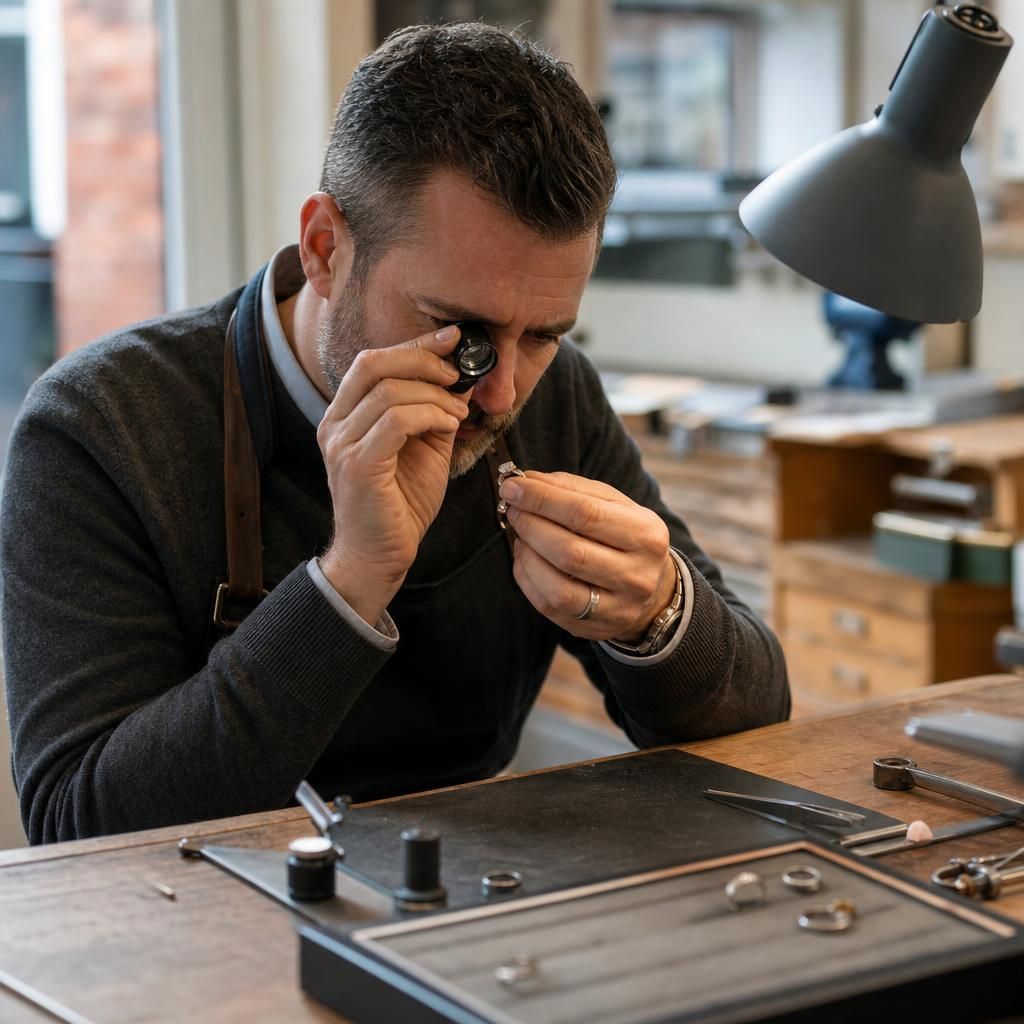
Spotting Loose Stones: One of the most critical aspects of jewellery inspection is identifying loose stones. Particularly with settings featuring diamonds or other precious gems, it’s essential to gently tap the stone with a soft tool or your fingertip to check for any movement. Even the slightest wiggle could indicate that the stone is not secure, posing a risk of loss. This is especially common in rings worn daily, where prongs can easily become weakened. Regular inspection for this issue enables you to address it before it leads to more costly repairs or replacement of missing stones. Always consult our expert team at Steven Charles Quance for comprehensive evaluations and professional solutions tailored to your needs.