
What are the key differences between IGI and GIA certifications for lab diamonds?
When considering the purchase of lab diamonds, the differences between IGI (International Gemological Institute) and GIA (Gemological Institute of America) certifications stem from their grading criteria and industry perception. IGI tends to offer faster grading services and is often seen as more flexible in terms of the grading process, while GIA is frequently regarded as the more stringent with a reputation for consistency in diamond grading. Both certifications provide essential verification and quality assurance, enabling informed decisions about your luxury jewellery acquisitions.
When selecting lab diamonds, understanding the distinctions between IGI and GIA certifications is vital, as these determine the diamond’s assessed quality and authenticity. The International Gemological Institute (IGI) and the Gemological Institute of America (GIA) are both highly respected entities in the realm of gem certification, yet they differ in their methodologies and industry perceptions.
The IGI is often recognised for its expedited grading services and broader acceptance of laboratory-grown diamonds. This flexibility can be advantageous for jewellery retailers and customers seeking a quicker certification process. IGI tends to be more inclusive, grading lab diamonds more frequently than its counterpart, which allows for a wider array of diamonds to be assessed and certified. However, this sometimes leads to perceptions of leniency in comparison to GIA. IGI reports provide comprehensive details about the diamond’s 4Cs—cut, colour, clarity, and carat weight—enhancing transparency for consumers.
Conversely, the GIA is renowned for its stringent grading standards and commitment to consistency, which has established its reputation as the go-to standard for diamond certification, especially for natural diamonds. The GIA’s meticulous approach ensures that every diamond is thoroughly evaluated, often leading buyers to perceive GIA-certified diamonds as inherently of higher quality. While GIA specialises in grading natural diamonds and is progressively increasing its focus on lab-grown diamonds, its certifications for lab diamonds are typically considered a significant endorsement of quality.
Understanding these distinctions, discerning clients of Steven Charles Quance can be reassured of receiving a precise and reliable certification, which is crucial when investing in bespoke luxury jewellery. The choice between IGI and GIA certification often hinges on personal preference for grading expediency versus perceived stringency, and both certifications provide a robust framework for evaluating the allure and value of lab diamonds. Ultimately, this knowledge assists in selecting the perfect piece that meets individual desires for exceptional craftsmanship and ethical sourcing.
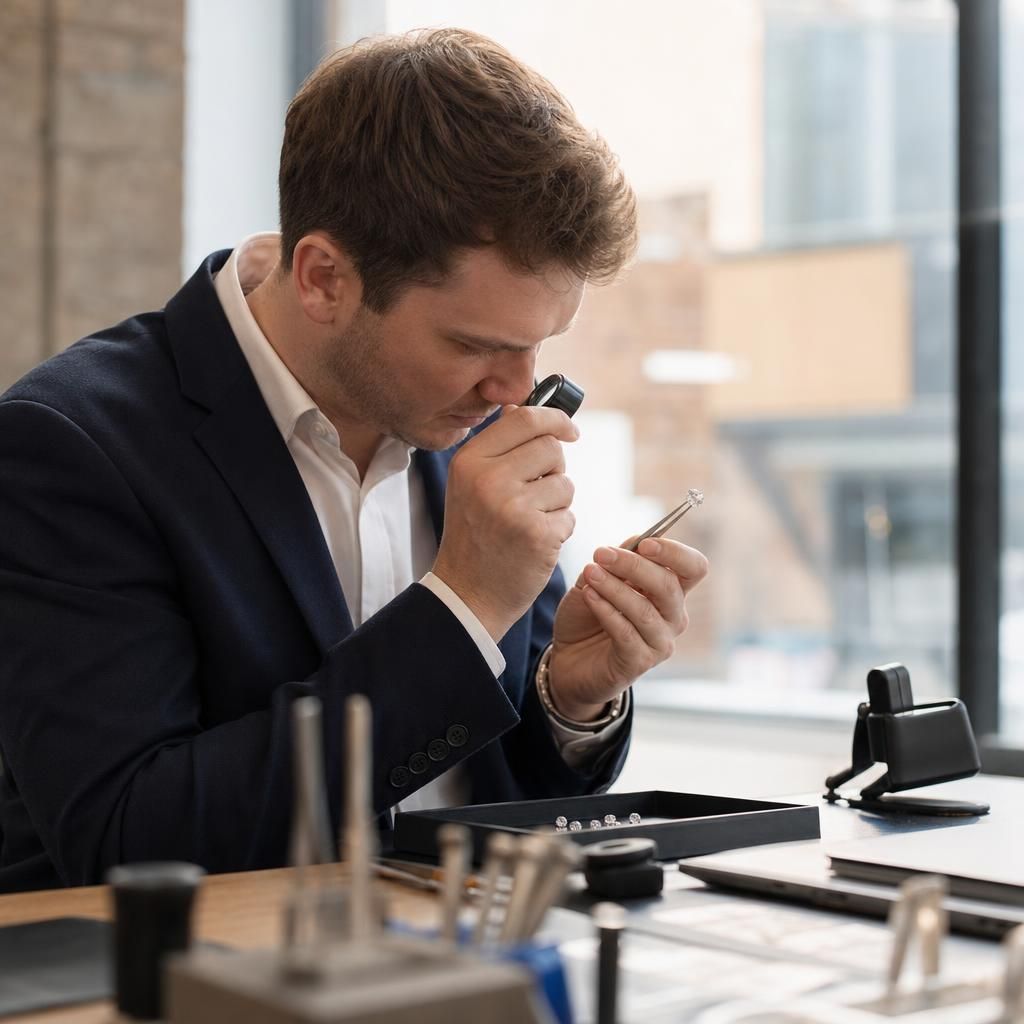
One key point that distinguishes IGI and GIA certifications for lab diamonds is their respective grading criteria and the subsequent impact on perceived value. The International Gemological Institute (IGI) generally adopts a more flexible approach to grading, which may include a quicker turnaround time for certification. This flexibility is advantageous for clients keen on a swift purchasing process, providing them with certified assurance in a less time-intensive manner.
On the other hand, the Gemological Institute of America (GIA) is often associated with a stringent grading procedure. This thoroughness has led to its broad recognition as a hallmark of quality within the industry. With GIA’s meticulous assessment criteria, buyers often perceive diamonds certified by GIA as adhering to higher standards, despite a potentially lengthier certification process. This distinction may influence client choice, balancing the need for expedience against a preference for rigorous appraisal.