
What are the most important steps to ensure ethical sourcing of second-hand gold rings?
To ensure ethical sourcing of second-hand gold rings, the most important steps include verifying the provenance of the jewellery, ensuring transparency in the supply chain, and selecting dealers committed to sustainability. Prioritising these aspects ensures that your purchase contributes to responsible and environmentally conscious practices.
Ensuring the ethical sourcing of second-hand gold rings involves several key practices that support sustainability and responsible purchasing. The first step is to verify the provenance of the jewellery. This means inquiring about the origins and history of the gold, which can provide insights into how the piece was acquired. Engage with reputable jewellers like Steven Charles Quance, who are committed to transparency in the supply chain and can offer detailed information about the ring’s past and the methods used to obtain it.
Next, emphasise transparency in all transactions. Work with dealers who clearly explain how their sourcing practices adhere to ethical guidelines. They should be able to demonstrate a commitment to eco-friendly practices, such as recycling or upcycling old jewellery and ensuring that any new gold included in their pieces is sourced responsibly and without causing harm to communities or ecosystems.
Finally, choose jewellers who are dedicated to sustainability. Look for those who participate in or align with ethical certification programmes. These programmes often ensure adherence to fair trade principles and environmentally conscious practices, such as minimising the use of harmful chemicals and employing sustainable mining techniques when necessary. By supporting businesses that prioritise these values, you contribute to broader efforts in creating environmentally responsible and socially conscious jewellery markets.
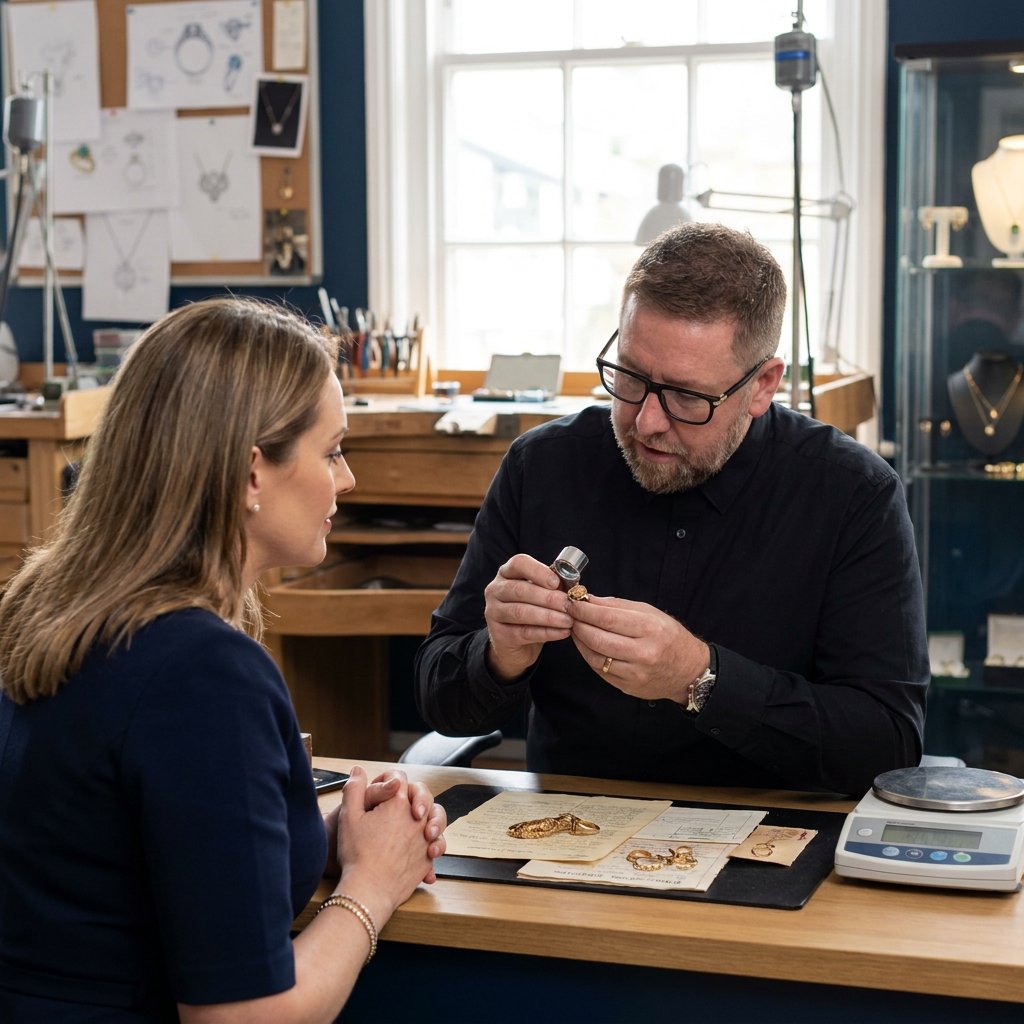
When ensuring ethical sourcing of second-hand gold rings, one critical supporting point is verifying the provenance of the jewellery. Establishing the origins and history of a piece is essential not only for ethical reasons but also for understanding its true value and significance. By asking detailed questions regarding the piece’s journey from its initial creation to your possession, you can gain insights into how responsibly and transparently the piece was acquired and traded.
Provenance verification involves understanding the documentation that accompanies each piece, such as certificates of origin, previous purchase records, and any other documentation that signifies ethical practices. For example, reputable jewellers like Steven Charles Quance can provide you with this background information, affirming both the sustainable acquisition of the piece and the integrity of its craftsmanship. Such diligence ensures that your purchase not only aligns with ethical standards but also marks a conscious decision towards sustainable jewellery consumption.