
What should I look for in the condition of a second-hand gold ring?
When assessing the condition of a second-hand gold ring, examine the ring’s surface for signs of wear, such as scratches, dents, or fading, and ensure the gold hallmark indicating its karat purity is present and legible. Additionally, check for any loose or missing stones and inspect the ring’s overall structural integrity to confirm it has been well-maintained or carefully refurbished, ensuring it meets your quality expectations.
When purchasing a second-hand gold ring, examining its condition is paramount to ensure you’re acquiring a piece that holds both value and longevity. Start by inspecting the surface of the ring for visible signs of wear, such as scratches, dents, or signs of polishing that might have altered its original texture. These indicators can affect not only the aesthetic appeal but potentially the structural integrity of the ring.
Next, verify the presence of a hallmark, which confirms the karat purity of the gold. This hallmark should be clear and legible, indicating the authenticity and quality of the metal, which is integral to both the ring’s worth and its durability. Be aware that over time, hallmarks can become faded from excessive wear or alterations.
The ring should also be evaluated for its structural integrity. This involves checking for any signs of repairs or alterations. Look for solder marks that might suggest parts of the ring have been repaired or resized. A properly maintained or refurbished ring should have no visible weaknesses or mismatches in the metal’s appearance.
Pay close attention to any gemstones set in the ring. Ensure that stones are secure in their settings with no indication of looseness or misalignment. Examine the stones for chips, scratches, or other damage, as these can significantly affect both the aesthetics and the value of the piece. In some cases, second-hand pieces might have stones that have been replaced or upgraded, so inquire about any known alterations.
Lastly, consider the craftsmanship in the context of your personal taste and the ring’s intended purpose. An older piece with craftsmanship that speaks to traditional methods can be highly desirable, especially if it fits into bespoke or vintage collections. When in doubt, consult with an expert jeweller who can assess these factors accurately, providing peace of mind and ensuring that your investment meets both your emotional and practical expectations.
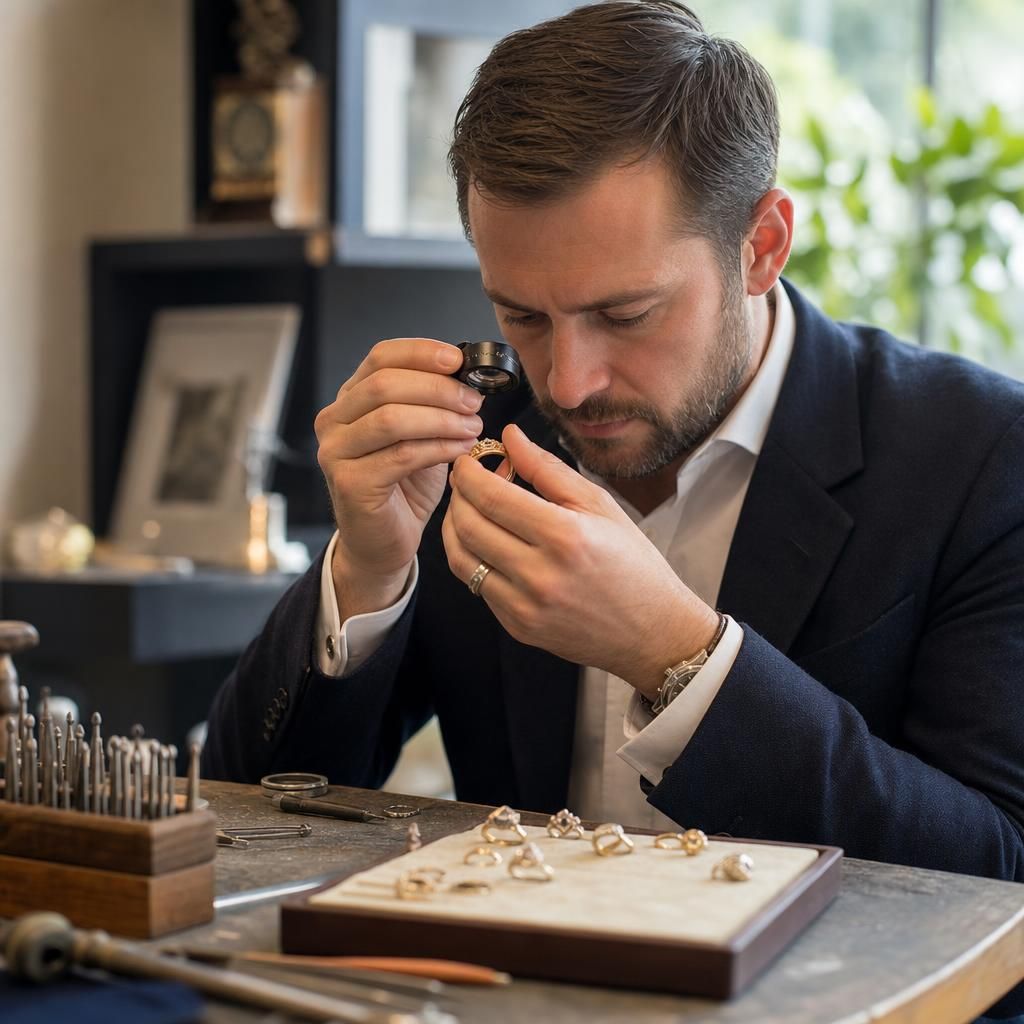
When evaluating a second-hand gold ring, one important aspect to consider is the ring’s hallmark. A hallmark is essentially a stamp that indicates the purity of the metal, commonly reflecting whether a piece is 9 karats, 14 karats, 18 karats, or higher. This information is crucial not only for understanding the value and quality of the gold but also provides insights into its durability over time. A clear and legible hallmark suggests the item has been well-preserved or cared for in previous ownerships.
Paying close attention to this detail may reveal much about the ring’s history; however, it’s worth noting that hallmarks can sometimes become less clear through excessive wear or due to being resized or altered. Such changes do not necessarily compromise the integrity of the ring, yet it underlines the importance of having a reputable expert like Steven Charles Quance assess the authenticity and condition. This examination ensures you are investing in a quality piece that not only meets your aesthetic tastes but adheres to the expected material standards for longevity and ethical craftsmanship.