
What are the advantages and disadvantages of using different metals for wedding rings?
Choosing the right metal for wedding rings involves weighing the pros and cons of each option to find the perfect balance between durability, aesthetics, and budget. Common metals include gold, platinum, palladium, and titanium, each offering unique benefits and drawbacks. Understanding the characteristics of these metals will help you make an informed decision that aligns with your personal style and practical needs.
When selecting metal for wedding rings, it’s essential to consider various aspects, including durability, appearance, and maintenance. Each metal has its distinct advantages and disadvantages, and understanding these nuances can guide you to make an informed choice that suits your lifestyle and aesthetic preference.
Gold remains a popular choice, celebrated for its timeless beauty and versatility, available in yellow, white, and rose variants. The carat weight of gold indicates its purity, with 24-carat being pure gold. However, gold’s softness in its purest form makes it susceptible to scratches and dents. Opting for an alloy, like 18-carat, enhances its durability while retaining a luxurious appearance. Although gold requires periodic polishing and maintenance, its elegance and traditional appeal resonate with many couples.
Platinum is renowned for its durability and hypoallergenic properties, offering a robust yet sophisticated option. It doesn’t tarnish and maintains its colour, making it a low-maintenance choice ideal for those with sensitive skin. However, its density makes it heavier and generally more expensive than other metals, an epitome of luxury for those seeking a lasting investment.
Palladium offers a lighter alternative to platinum while sharing its hypoallergenic qualities. It’s affordable and retains its white colour without requiring rhodium plating. However, its softer nature can lead to scratching and it might not be as readily available as other metals, potentially limiting design choices.
Titanium stands out for its strength, light weight, and modern appeal. Resistant to corrosion and scratches, it suits individuals with active lifestyles. Despite these advantages, titanium’s strength makes resizing difficult, which could pose a challenge if future adjustments are needed. Its contemporary look might not align with those desiring a classic aesthetic, often resulting in a trade-off between durability and tradition.
In conclusion, choosing the right metal for your wedding ring is a personal decision that balances aesthetic desires with practical needs. At Steven Charles Quance, we understand the importance of this choice and are committed to guiding you through the process, ensuring your ring reflects both your unique style and enduring commitment. Our expertise is always at your disposal to help you navigate these considerations and select the perfect ring to symbolise your love.
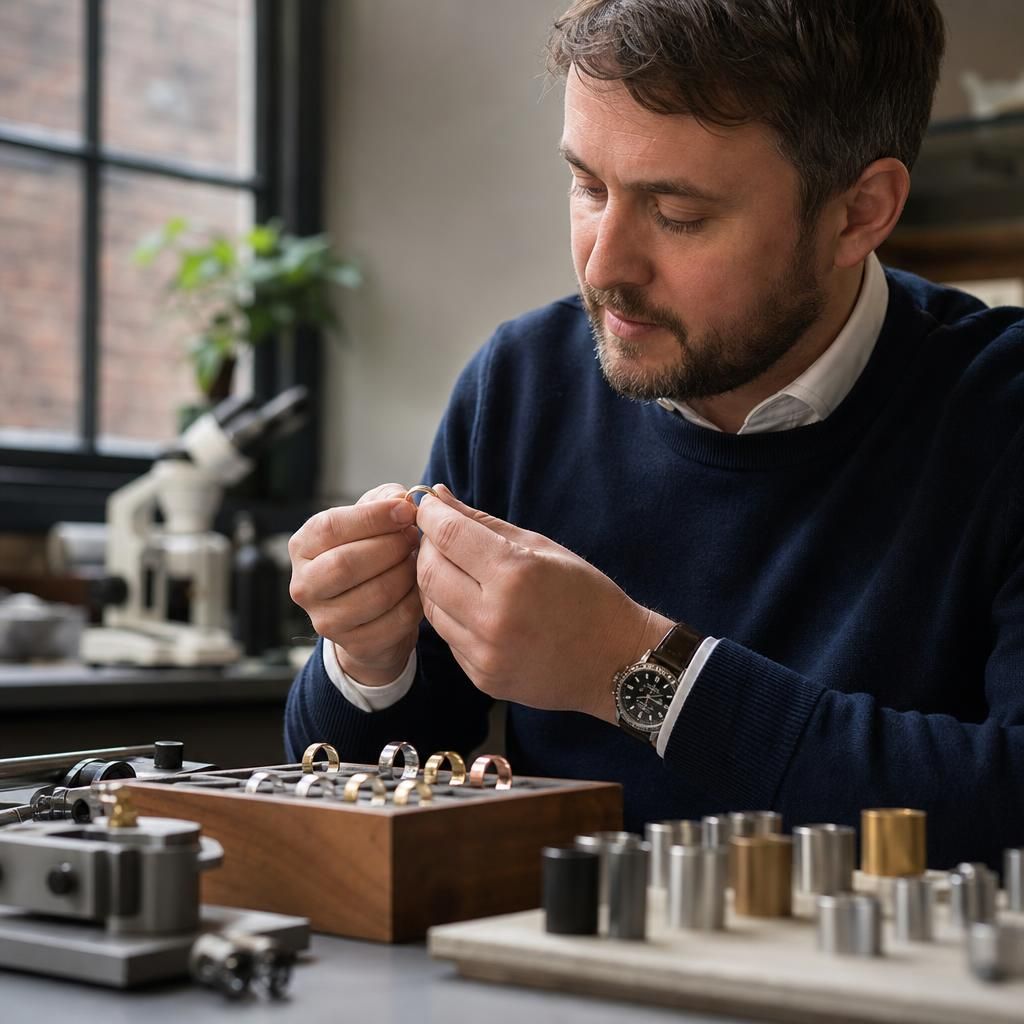
When selecting a wedding ring, understanding the properties and implications of different metals is crucial to making an informed decision. Titanium is a popular choice for those seeking strength and modernity. Its key advantage lies in its resilience; titanium is highly resistant to scratches and corrosion, making it ideal for individuals with active lifestyles who prioritise durability without compromising on style. However, one significant drawback is its resistance to resizing. Unlike softer metals, titanium cannot be easily altered once formed, which may pose challenges should your ring size change in the future. Consequently, while titanium’s lightweight and contemporary allure are appealing, considerations regarding potential future adjustments need to be factored into your decision-making process.
Discuss the Best Metal for Your Wedding Ring
For tailored advice on the advantages and disadvantages of different wedding ring metals, arrange a consultation with Steven Charles Quance. We can help you compare durability, appearance, comfort and maintenance before selecting a ring to suit your lifestyle.