
How does the material of a ring influence the resizing process?
The material of a ring plays a crucial role in the resizing process. Different materials, such as gold, platinum, or titanium, require specific techniques and tools due to their varying properties like malleability, hardness, and thermal conductivity. Understanding these differences ensures a safe and successful resizing, preserving the integrity and appearance of your cherished piece.
The material of a ring significantly influences the approach and success of the resizing process. Each metal type requires specific considerations due to its unique properties such as malleability, hardness, and resistance to heat. For example, gold, one of the most common materials used in jewellery, is known for its relative softness and malleability, making it relatively straightforward to resize. Whether the ring is 9k, 14k, or 18k gold, it allows for a good range of adjustment due to its flexibility.
In contrast, platinum poses more complexity during resizing because of its hardness and density. Although it’s not impossible to resize platinum rings, the process often requires specialised tools and expertise to ensure that the metal retains its strength and appearance without compromising quality. This often results in a higher cost and more time-consuming process.
Similarly, while titanium and tungsten are lauded for their durability and scratch resistance, their very characteristics make resizing a challenge. Titanium can be resized to a limited extent, but the process requires precision and care. Tungsten, however, is almost impossible to resize due to its brittleness and hardness, and it may need to be replaced instead of resized.
White gold offers unique considerations as well. It is typically alloyed with nickel or palladium and coated with a layer of rhodium to give it its distinctive bright appearance. During resizing, this rhodium plating can wear off, necessitating reapplication to match the original look of the ring.
Given these varied material characteristics, the ring resizing process requires a trusted professional jeweller with expertise in handling different materials to ensure the quality and integrity of the ring are preserved. For customers of Steven Charles Quance, you can rely on our meticulous craftsmanship and expertise in bespoke jewellery to guide you through the resizing process, offering peace of mind and superior aftercare services.
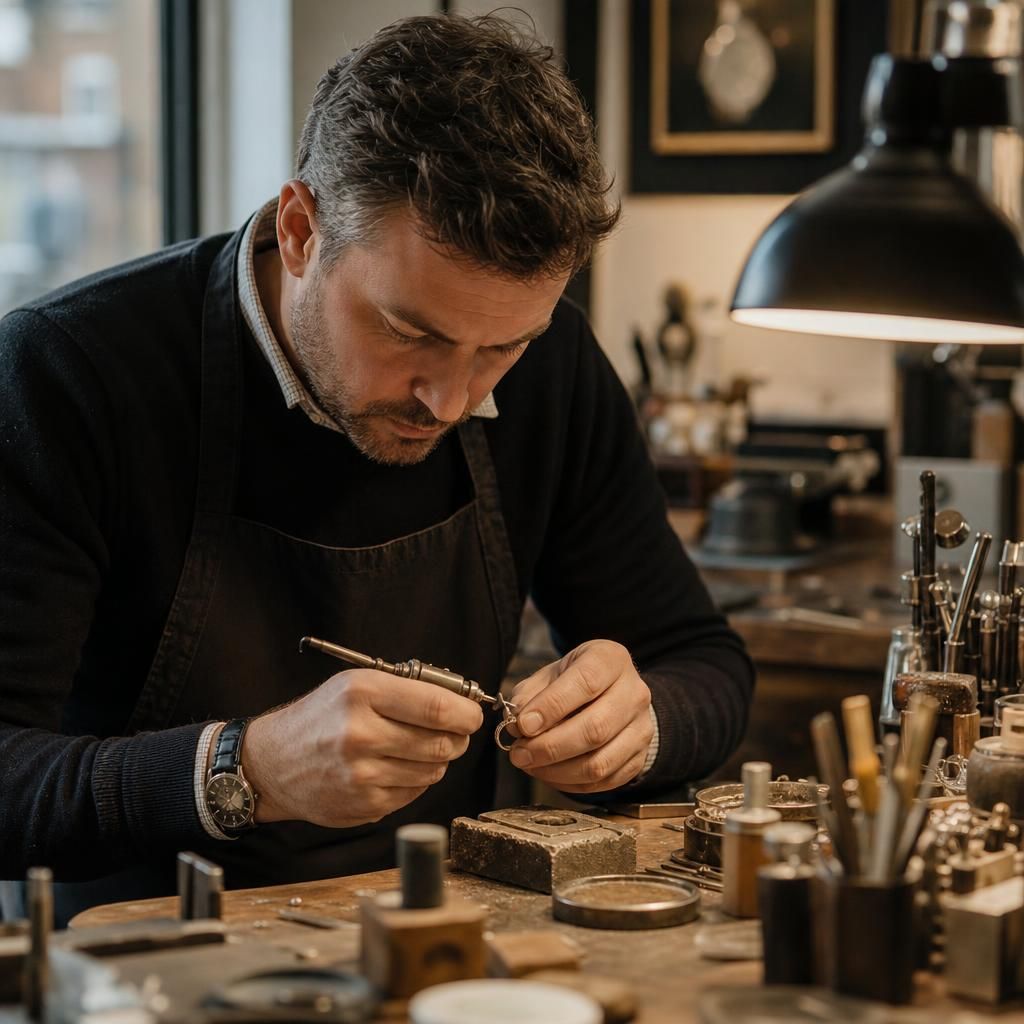
The properties of the metal in your ring play a pivotal role in determining how it can be resized. Gold, a preferred choice for many rings, is recognised for its softness, making it versatile and more manageable in resizing. If your ring is gold, our skilled jewellers can adjust its size without compromising its structural integrity. Different karats of gold, such as 9k, 14k, and 18k, will slightly vary in the process, but all generally allow for repositioning due to their malleability.
While platinum offers stunning durability and lustre, it poses additional challenges during resizing due to its density. Our expert team is adept at managing platinum’s unique characteristics, ensuring the resizing maintains the ring’s inherent quality. Conversely, materials like titanium and tungsten, known for their hardness and scratch resistance, demand precision tools and techniques due to their less flexible nature. In cases where resizing is unfeasible, we guide our clients towards suitable alternatives or replacements to maintain the desired fit and functionality.