
How does the provenance and historical significance of a piece influence its valuation for insurance purposes?
The provenance and historical significance of a jewellery piece significantly influence its insurance valuation by adding layers of value beyond the intrinsic material worth. Provenance, which refers to the documented history of ownership, can elevate a piece’s status if it has connections to prestigious individuals or notable events, often seen in antique or rare items. Historical significance, reflecting the item’s place in cultural or design milestones, further impacts its value, ensuring the piece is assessed not only for its craftsmanship but also for its unique narrative and rarity in the market. These factors compel insurers to consider not just replacement costs but the uniqueness and irreplaceable nature of such jewellery, warranting a comprehensive understanding during the valuation process.
Provenance and historical significance are pivotal factors in determining the insurance valuation of jewellery. Provenance refers to the documented history of a piece, detailing its lineage of ownership and any association with historically significant individuals or events. Such connections inherently add value, particularly if the jewellery has belonged to a renowned personality or has been part of notable historical occasions. Historical significance, on the other hand, relates to the piece’s cultural or design importance, indicating its role within certain art movements or its representation of a period’s craftsmanship.
For high-end jewellery, particularly antique or bespoke creations, these elements are crucial in insurance evaluations. They elevate the piece beyond its material composition of gemstones or metals, highlighting its rarity and unique narrative. For example, a watch once owned by a famous historical figure not only has considerable material value but also possesses a story that is difficult, if not impossible, to replicate. This narrative adds layers of intangible value.
When assessing jewellery for insurance, it is essential to meticulously document the item’s provenance and historical context. Insurers will factor in these attributes when determining coverage, ensuring that the valuation reflects both the replacement cost and the irreplaceable nature of the piece. Thus, a comprehensive evaluation captures not only the precision of crafting but also honours the piece’s unique place in history and ownership lineage.
At Steven Charles Quance, alongside our bespoke creations, we recognise the importance of these factors in valuation processes. We offer our clients detailed jewellery consultations to ensure accurate assessments, supported by our extensive expertise in both historical and contemporary jewellery markets. Our commitment is to deliver informed, reliable advice that reassures our clients of their jewellery’s full value and significance in both sentimental and financial terms.
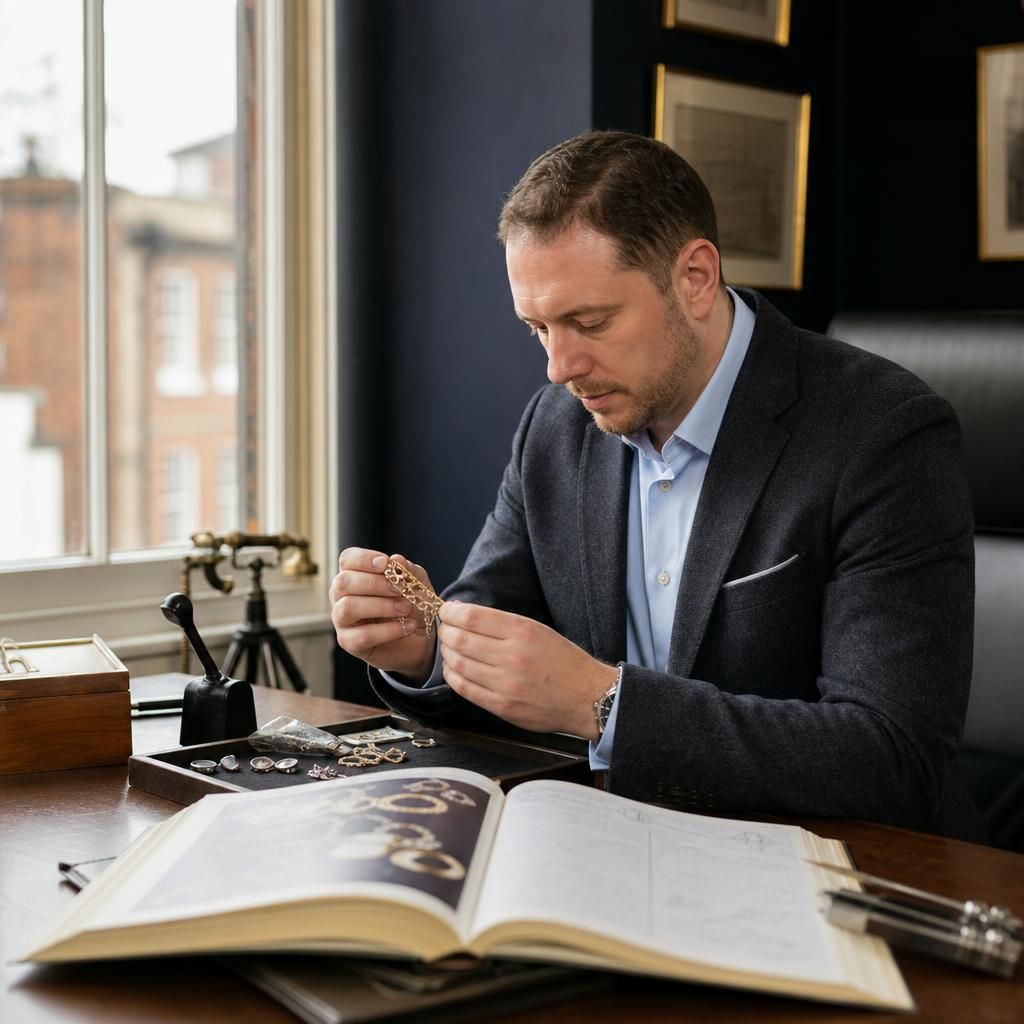
Understanding the provenance and historical significance of a jewellery piece is central to ascertaining its true value for insurance purposes. Provenance encompasses the detailed ownership and origin of a piece, and when a piece boasts a provenance featuring famous personalities or connections to historical events, it naturally commands a higher value. Historical significance, meanwhile, refers to the cultural value or influence a piece may have, potentially aligning with significant design trends or historical periods. Each of these elements contributes to a robust assessment that extends beyond mere material worth.
For insurance considerations, documenting these factors with precision is pivotal. Accurate records of ownership lineage and corroborative historical context serve as essential evidence for valuation professionals and insurance providers, ensuring that coverage reflects not only the physical characteristics and craftsmanship of the jewellery but also its cultural and sentimental intricacies. This comprehensive approach allows us at Steven Charles Quance to offer our clients insightful guidance and confidence that their treasured pieces are secured against potential loss, appreciating both the tangible and intangible facets their pieces possess.