
What are the most common factors influencing the cost of jewellery repair services?
The cost of jewellery repair services is influenced by several key factors, including the complexity of the repair required, the type of metal or gemstones involved, and the jeweller’s level of expertise. Bespoke services, such as those provided by Steven Charles Quance, focus on intricacy and craftsmanship, which can also affect pricing. Understanding these elements can help you anticipate costs and ensure you receive high-quality, trusted repair work.
Jewellery repair costs can vary significantly based on several key factors. A primary consideration is the complexity of the repair work needed. Simple repairs such as resizing a ring or replacing a gemstone may be relatively inexpensive, while intricate work, such as restoring a vintage piece or correcting structural issues in a setting, could incur higher charges due to the time and expertise required.
The type of metal or gemstones involved directly influences repair costs. Precious metals like platinum or white gold, often used in high-end jewellery such as those crafted by Steven Charles Quance, present particular challenges that demand specialised skills and tools, influencing the overall pricing. Similarly, the nature of gemstones, whether they are diamonds, sapphires, or other precious stones, affects both handling and repair approaches. Gemstones may require careful assessment and potential re-cutting, especially if they are vital to the design’s integrity, thereby increasing labour costs.
Another significant factor is the level of expertise and craftsmanship the jeweller brings to the table. Repairs carried out by skilled artisans who specialise in bespoke jewellery often assure higher-quality results but may come at a premium. This can be vital for maintaining the uniqueness and sentimental value of pieces, especially for items with bespoke origins or those that are custom-designed.
Materials costs can also play a role, especially if replacement parts or additional materials are necessary. The current market prices of metals and gemstones can impact these expenses, reflecting the fluctuating nature of commodity markets. Ensuring that parts are ethically sourced is another consideration that may affect costs, aligning with principles that are increasingly important to conscientious consumers.
Lastly, the aftercare services available, such as those provided by trusted reputations like Steven Charles Quance, should be considered. Comprehensive aftercare, including polishing, cleaning, and routine checks, not only ensures the piece’s longevity but can also influence repair costs by mitigating future issues. For discerning clients seeking trusted and bespoke service, understanding these cost factors helps manage expectations and ensures the preservation of both the aesthetic and intrinsic value of their cherished jewellery pieces.
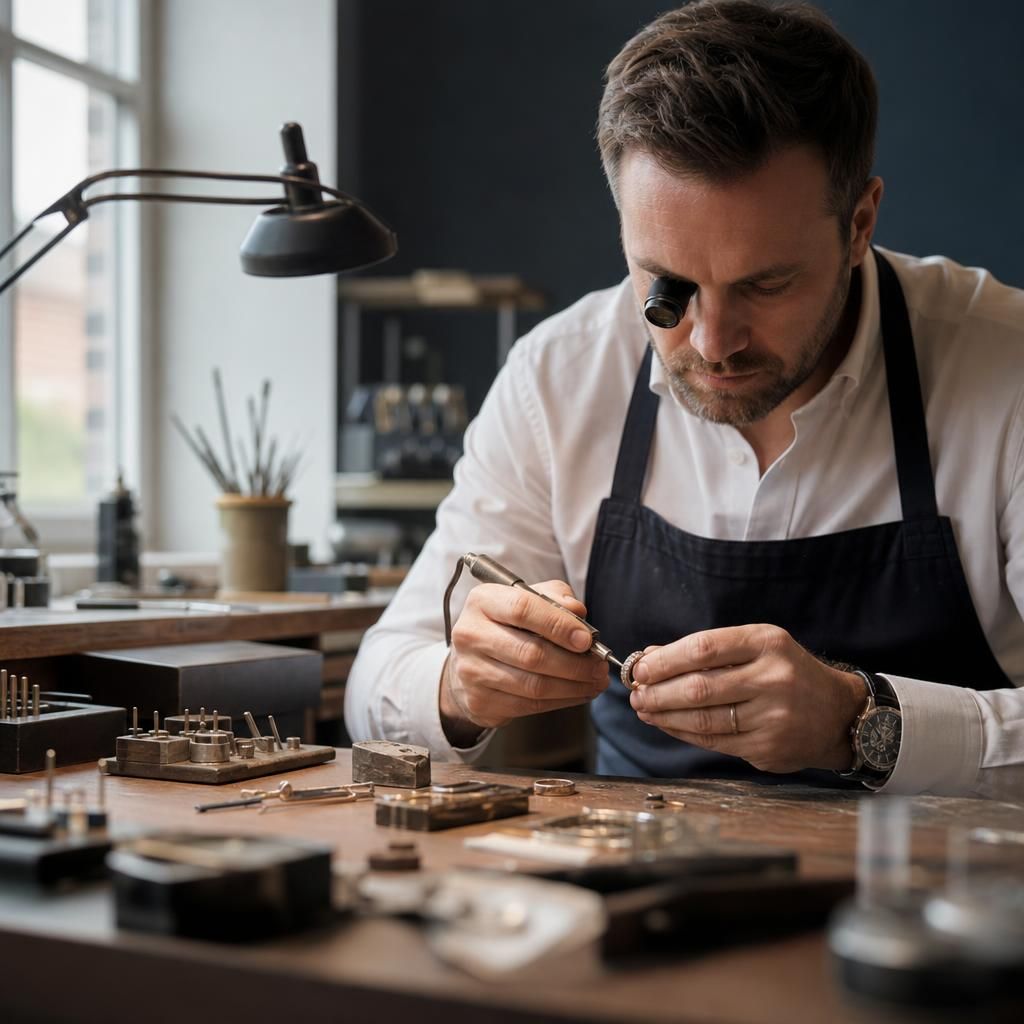
One of the most influential factors affecting jewellery repair costs is the complexity of the repair process itself. This element includes evaluating the intricacies of the piece, the level of precision required, and the technical skills necessary to execute the repair effectively. For instance, simple repairs like fixing a loose clasp or resizing a ring demand less intricate work and are generally more straightforward and cost-effective. However, more complex restorations, such as repairing antique jewellery or re-setting high-value gemstones, involve a meticulous approach that necessitates extensive time, specialised skills, and possibly sophisticated equipment. Such complexities usually drive up the repair costs due to the higher labour input and the demand for exceptional craftsmanship.