
Are there specific materials or gems that should be handled with extra care during jewellery restoration?
In jewellery restoration, materials like emeralds, opals, and pearls need extra care due to their delicate nature. These gemstones can be susceptible to damage from harsh chemicals, heat, and ultrasonic cleaners. Proper handling and specialised techniques are essential for preserving their integrity and aesthetic appeal during the restoration process.
Certain materials and gemstones require extra care during jewellery restoration due to their delicate nature and specific vulnerabilities. Among the most sensitive are emeralds, opals, and pearls. These gemstones have unique properties that make them susceptible to damage if not handled properly. For instance, emeralds are beryllium aluminium cyclosilicate minerals known for their vivid green color. However, they often contain inclusions and fissures that can be exacerbated by cleaning methods involving high temperatures or harsh chemicals, requiring expert handling to preserve their brilliance and structure.
Opals, characterised by their iridescence, are hydrous silicon dioxides that contain a significant amount of water. Their porous nature makes them easily influenced by environmental factors such as humidity and heat, which can cause cracking or colour changes. Therefore, special care techniques during restoration, such as avoiding excess heat and ensuring a stable environment, are crucial in maintaining their unique aesthetic qualities.
Pearls, formed within mollusks, consist primarily of calcium carbonate and are particularly vulnerable to acidic substances and abrasive materials. They require a gentle touch during restoration to prevent surface damage or luster loss. Using mild, pH-balanced solutions and soft cleaning materials can help maintain their natural beauty and value.
It is important to note that with each of these materials, the objective is to employ a customised approach that respects the innate properties of the stone or material. This involves selecting appropriate cleaning methods, using non-invasive techniques, and ensuring a controlled environment to minimise risks. Professional jewellers at Steven Charles Quance utilise their extensive expertise and experience to apply these specialised techniques, ensuring each piece is restored with the utmost care and precision, helping to sustain its longevity and keep its aesthetic allure intact.
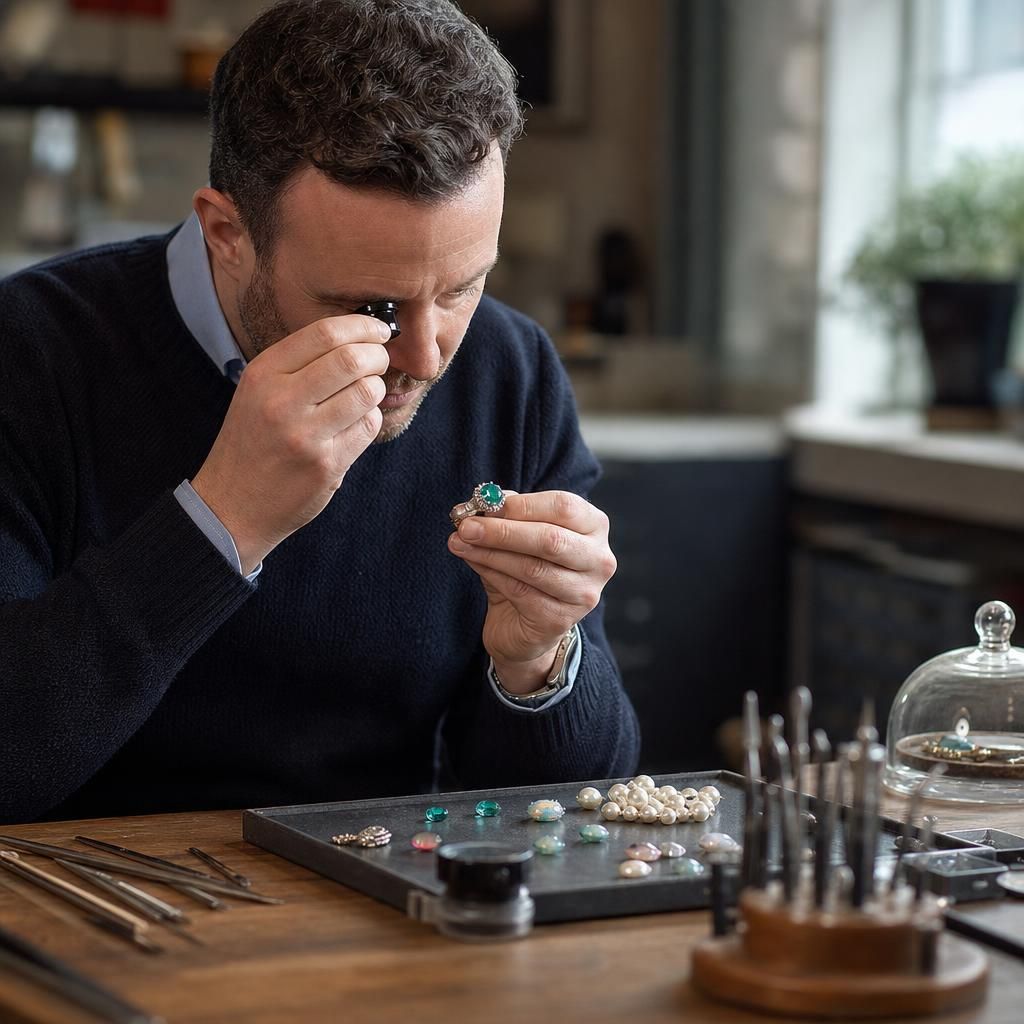
When it comes to jewellery restoration, understanding the fragility of certain materials is crucial to ensuring the longevity and beauty of the restored pieces. Emeralds, renowned for their vibrant green hue, are particularly vulnerable due to their common inclusions and fissures, which can be aggravated during restoration if not handled delicately. This necessitates the use of gentle techniques and avoidance of harsh cleaning agents. Similarly, opals demand special attention owing to their composition of hydrous silicon dioxide, making them sensitive to environmental changes such as humidity and heat. Such factors can lead to cracking or unwanted colour alterations if not managed carefully during restoration. Pearls, being organic gemstones, are especially prone to damage from acidic substances and abrasive surfaces, requiring mild cleaning processes to maintain their lustre. At Steven Charles Quance, attention to these unique characteristics ensures that each gemstone receives the care necessary to restore and preserve its innate beauty.