
What types of jewellery can be restored and are there any limitations during the restoration process?
Many types of jewellery can be restored, including rings, necklaces, bracelets, earrings, and watches. However, certain limitations exist, such as the condition of the materials, the complexity of the design, and the ethical sourcing requirements for replacement components. Understanding these factors ensures a successful restoration outcome, preserving the item’s beauty and sentimental value.
Jewellery restoration encompasses the repair, refurbishment, and renewal of various jewellery types, ensuring cherished pieces remain beautiful and valuable. Commonly restored items include rings, necklaces, bracelets, earrings, and watches. However, successful restoration is contingent upon several factors, including the condition of the materials, the intricacy of the design, and the availability of ethically sourced replacement components.
Many precious metals and gemstones can be revitalised, though the extent of restoration often depends on the material’s integrity. For instance, gold and platinum are favourable for restoration due to their durability and workability, while softer metals like silver may present more challenges if significantly worn. Gemstones such as diamonds, sapphires, and rubies can frequently be cleaned and polished effectively, but care must be taken with more delicate stones like opals and pearls, which can easily be damaged if not handled properly.
The complexity of the original design also plays a crucial role in determining restoration feasibility. Intricate patterns or details may require specialised techniques or tools to faithfully restore without compromising the piece’s original artistry. At Steven Charles Quance, our expertise in bespoke jewellery ensures that even the most complex designs are handled with precision and care.
Ethically sourced materials are an essential consideration for modern restorations. When original components are beyond repair or need replacement, sourcing ethically sourced stones and metals is paramount. This approach not only aligns with contemporary ethical standards but also enhances the intrinsic value of the jewellery.
In sum, while many types of jewellery can be restored, each restoration project is unique and may face limitations based on material condition, design complexity, and sourcing ethics. At Steven Charles Quance, we offer expert guidance to navigate these considerations, ensuring every piece is restored to the highest standards possible.
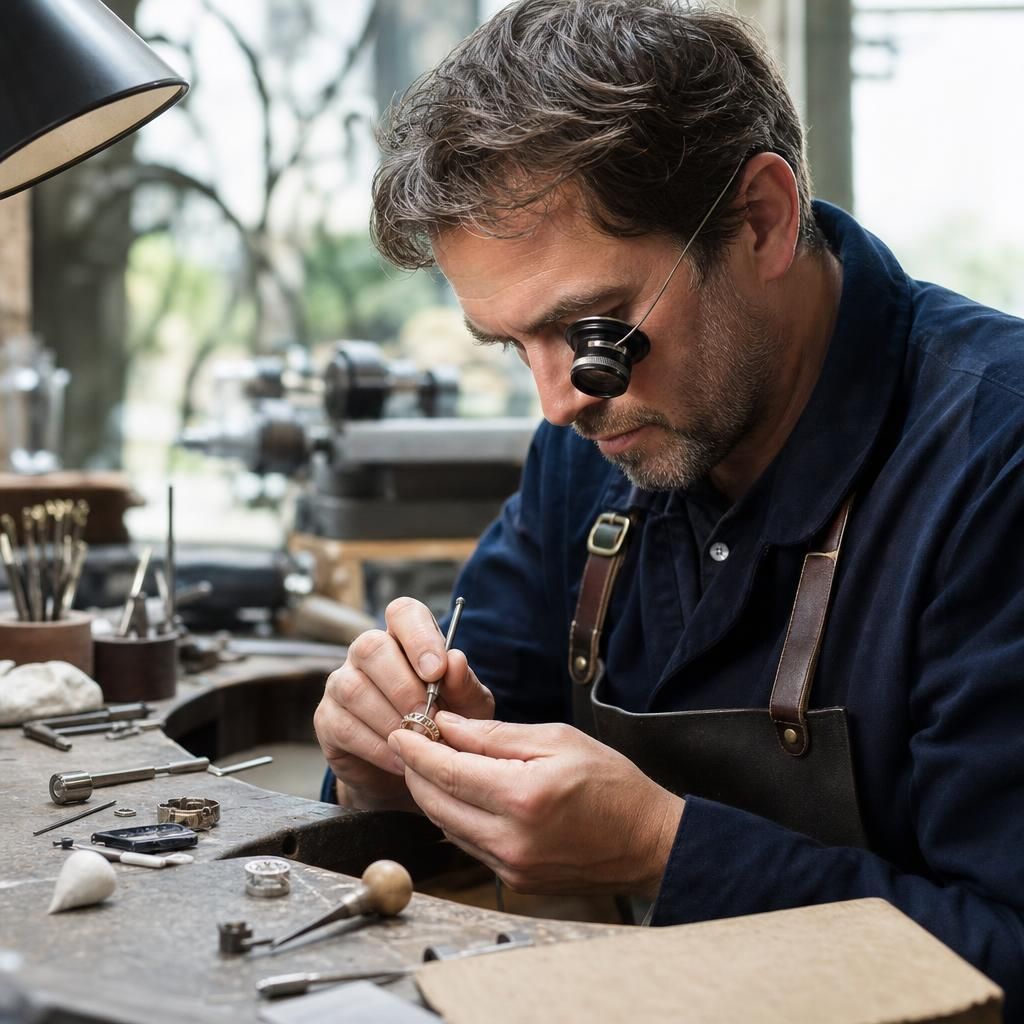
Jewellery restoration can breathe new life into your cherished pieces, yet it comes with its own set of parameters that must be considered carefully. A critical aspect of successful restoration is the condition and type of gemstones involved. While diamonds, sapphires, and rubies are quite resilient, more delicate stones like opals, emeralds, and pearls require special attention due to their susceptibility to damage. Techniques such as gentle cleaning and cautious polishing are crucial to preserve these gems’ inherent beauty and structure.