
Are there any specific aspects of jewelry condition that drastically impact valuation cost and timing for probate?
Jewellery condition significantly affects probate valuation as it can influence both the assessed value and the duration required for an accurate appraisal. Factors such as signs of wear, damage, or previous repairs can alter a piece’s market value and complicate the evaluation process. Understanding these condition aspects ensures that the valuation reflects the true worth of the jewellery, thus facilitating informed estate planning decisions.
The condition of jewellery is a pivotal factor in determining its valuation for probate purposes, a process that ensures the accurate distribution of an estate. The physical state of each jewellery piece, including visible wear and tear, damage, or any previous repairs, can significantly affect its market value and thus impact the valuation outcome and the associated timeline.
Firstly, signs of wear, such as scratches or tarnishing, may reduce the overall value of jewellery, as they could be seen as detracting from its aesthetic and structural integrity. Valuers will meticulously assess these factors to provide a fair market value that reflects current conditions. Furthermore, extensive wear may necessitate additional examination time, prolonging the evaluation process.
Damage, such as chipped stones or bent settings, also plays a critical role. Such issues not only diminish the current market value but may require expert assessment to determine the extent of the impact and the feasibility of repairs. This thoroughness is crucial, especially for pieces with historically or emotionally significant value, where the condition largely influences its appraisal and thus the duration of the valuation process.
Previous repairs can complicate valuations as well, demanding a closer look at the quality and extent of work undertaken. Repairs that have altered the original design or used non-original parts may reduce the item’s value in comparison to its original state. A detailed appraisal will seek to identify these alterations, ensuring that the probate valuation is accurate and reflective of the item’s current authenticity and originality.
In light of these considerations, it’s advisable to comprehensively document the condition of jewellery you wish to appraise. This preparation can mitigate potential delays in the probate process and facilitate more precise and swift evaluations. Trust in the expertise offered by Steven Charles Quance ensures that each piece is carefully examined with due regard to its distinct characteristics, supporting you in making informed decisions during estate planning.
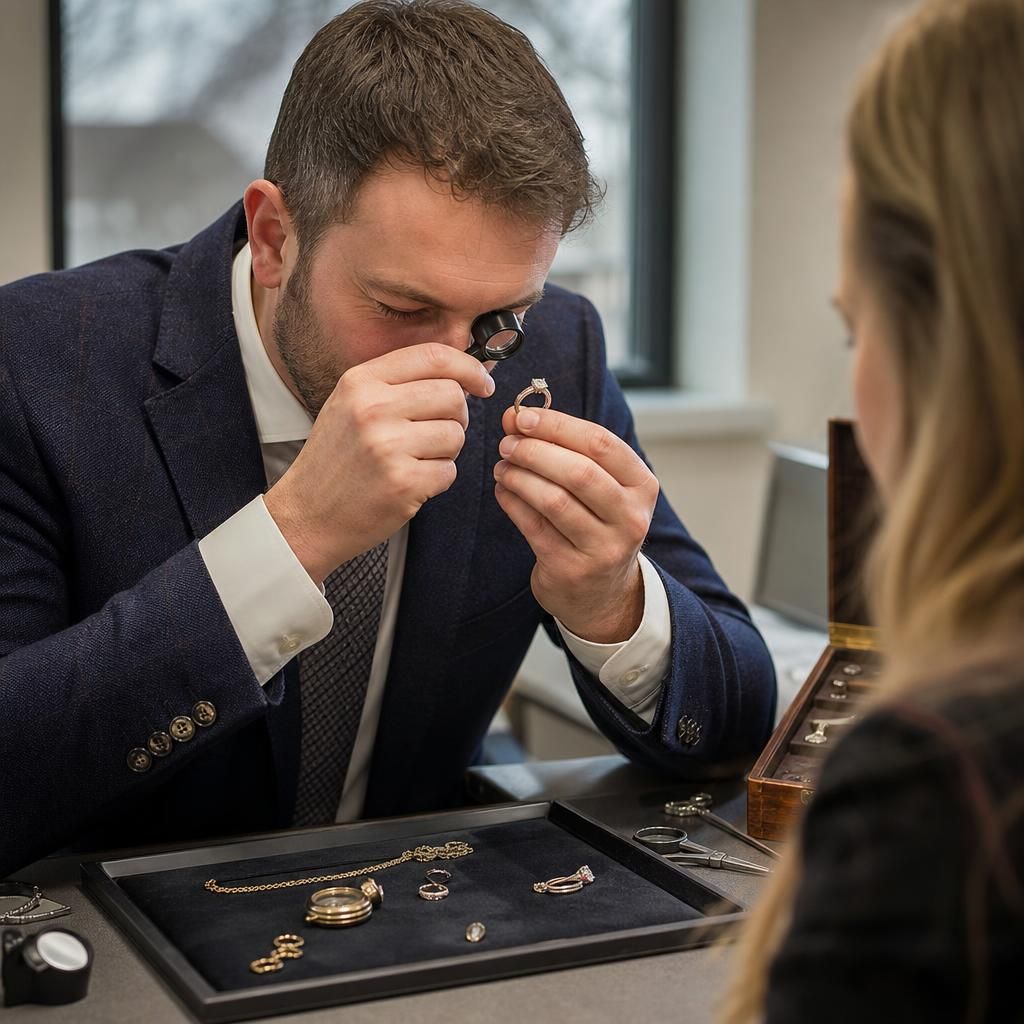
The condition of a piece of jewellery can drastically impact both its valuation cost and the timing required for its appraisal during the probate process. Critical aspects include wear and tear, physical damage, and any prior repairs. When valuers assess a jewellery item, they look closely at its current state to determine its fair market value, which is pivotal for equitable estate distribution.
Visible wear, such as scratches or tarnished areas, can decrease the perceived value as they suggest less-maintained pieces. Such details often need careful examination, which could extend the appraisal period. Damage, like fractured stones or altered settings, demands an even closer inspection to evaluate the need for any potential repairs before determining its value.
Moreover, past repairs can complicate the valuation. A piece that has undergone extensive restoration may no longer hold the same value as one in its original condition, especially if non-original parts were used. Therefore, valuers assess these changes meticulously to ensure that the valuation provided aligns with the item’s true current status. By understanding these aspects, you can anticipate potential valuation challenges and plan effectively for a smoother probate process.
Arrange Your Probate Jewellery Valuation Consultation
Arrange your probate jewellery valuation consultation with Steven Charles Quance to discuss the items, required documentation and the expected cost and timescale. We can advise on the appropriate valuation report and any condition-related issues that may affect the assessment.