
How does the complexity of a jewellery piece impact the valuation cost and duration, and what strategies can be employed to manage these factors effectively?
The complexity of a jewellery piece significantly impacts both its valuation cost and the duration of the appraisal process. Intricate designs with unique gemstones or elaborate settings typically require more time and expert analysis, which can increase the valuation cost. To manage these factors effectively, discussing your specific needs with Steven Charles Quance allows for a tailored approach, ensuring thorough assessments that reflect the true value of your bespoke jewellery while maintaining transparency in both cost and timescales.
The complexity of a jewellery piece directly influences both the valuation cost and the time taken to complete the appraisal process. Valuation assessors need to engage in a detailed analysis when appraising intricate designs, such as those with unique gemstones, elaborate settings, or bespoke elements. These factors necessitate a more thorough examination to accurately assess the jewellery’s true value, leading to potentially higher costs and extended timescales.
For example, intricate filigree work or a multi-stone arrangement can increase complexity, as each part requires detailed inspection and possibly more sophisticated equipment to evaluate its craftsmanship and material quality. Similarly, rare gemstones or unusual materials can extend appraisal times, as they may require expert verification or reference checks to authenticate their origin and quality.
To manage these factors effectively, it is crucial to have transparent discussions with your jeweller right from the outset. By discussing your specific needs with Steven Charles Quance, you can ensure a tailored approach that aligns with your expectations and budget. This dialogue helps in understanding potential complexities that might arise, allowing you to plan accordingly and avoid unexpected surprises.
Another practical strategy to manage these complexities is to maintain detailed documentation of any bespoke designs or modifications made to your jewellery. This can streamline the valuation process by providing the valuer with essential information upfront, thus potentially reducing assessment times and associated costs.
Moreover, understanding the valuation process itself can aid in effectively managing both time and cost. Being aware that certain elements, such as the jewellery’s condition and provenance, can significantly impact valuation, allows customers to take proactive steps, such as maintaining the jewellery in optimal condition and keeping records of any repairs or alterations.
Ultimately, working with a well-regarded jeweller like Steven Charles Quance, who is committed to providing personalised service and expert guidance, ensures that even the most complex pieces are valued accurately and efficiently, with informed strategies employed to manage both cost and duration.
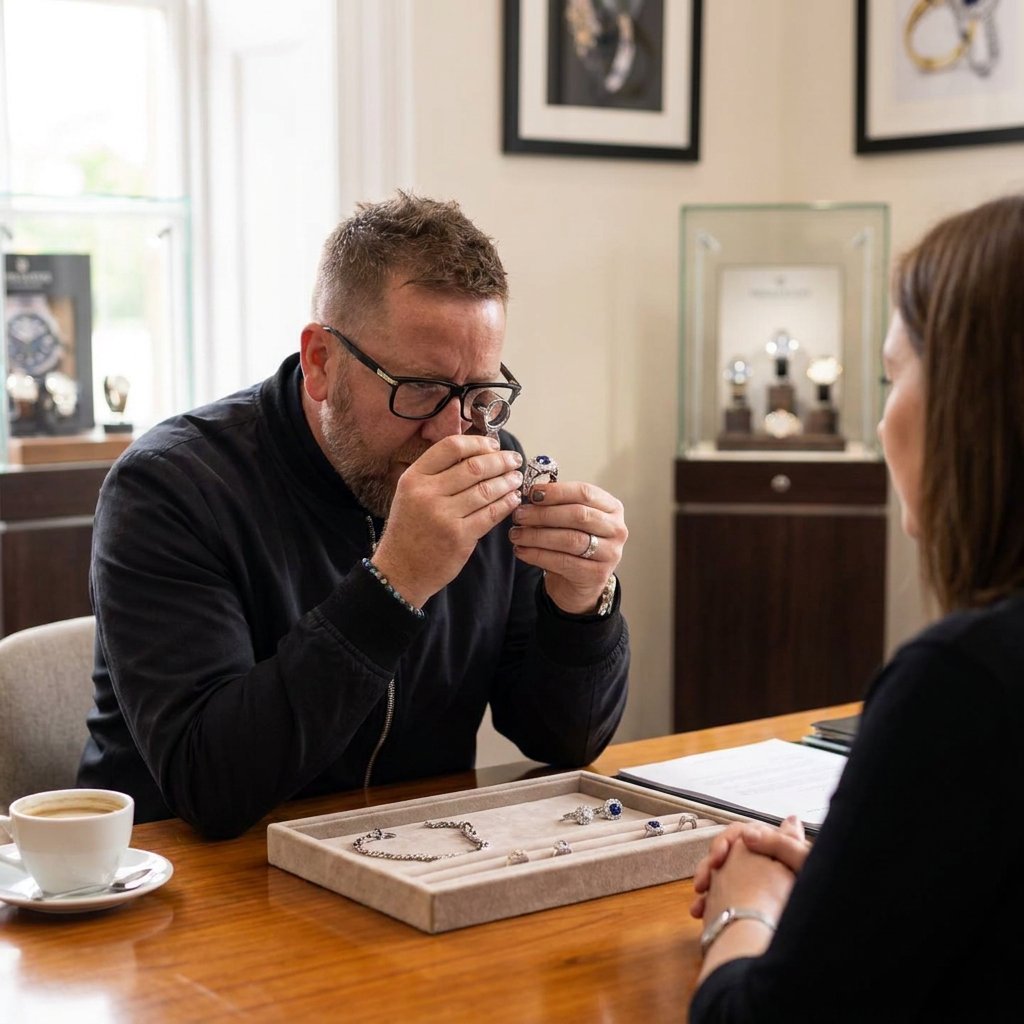
The valuation cost and duration for a jewellery piece can be heavily influenced by its complexity, particularly in the case of bespoke designs. Intricate jewellery, whether featuring elaborate engravings, detailed filigree work, or multiple gemstones, requires a meticulous appraisal process. An intricate piece may demand advanced techniques and tools for accurate evaluation, such as microphotography or specialised lighting to assess detailed work. Additionally, complex settings with multiple stones necessitate a thorough examination to verify each gem’s authenticity, condition, and setting integrity. This increased attention to detail naturally extends the valuation duration and may elevate costs due to the need for expert involvement.