
Can probate jewellery valuations differ between valuers, and how should I address discrepancies?
Yes, probate jewellery valuations can differ between valuers due to various interpretations and methodologies in assessing market value. To address discrepancies, it’s prudent to seek clarification on their valuation approach and consider obtaining a third opinion to ensure a balanced and accurate assessment reflective of the item’s true value.
Valuations of probate jewellery can indeed differ between valuers due to various factors, including distinct valuation methodologies and subjective interpretations of market trends and the item’s condition. At the heart of these differences are the diverse approaches valuers may employ when assessing an item’s materials, provenance, brand, and craftsmanship. Given this, it is essential to approach discrepancies with a methodical strategy.
Firstly, obtain a detailed explanation from each valuer. In the jewellery valuation process, transparency is crucial. A valuer should clearly outline their methodology, including how they assessed the weight, purity, and condition of the materials, as well as any comparative market analysis they performed. This transparency helps in understanding the basis of their valuation, allowing you to pinpoint where evaluations may have diverged.
If differences remain unresolved, consider seeking a third opinion from another expert valuer. This additional perspective can provide a more balanced view, helping to reconcile initial discrepancies and ensure the probate valuation aligns closely with current market values. Notably, ensure this third valuer has recognised credentials and expertise in probate assessments, particularly in dealing with bespoke and high-end jewellery.
Moreover, engage in a dialogue with your chosen valuers if you find any particular aspect of their assessment puzzling or inconsistent with your own understanding of the item’s value. This conversation can often clarify misunderstandings and might highlight overlooked details that could substantively influence the valuation outcome.
Finally, it is important to accept that some variability in probate valuations is inherently part of the process, especially with unique and bespoke pieces where subjective factors like artistic merit and historical significance come into play. Maintaining detailed records of your jewellery, such as provenance, past appraisals, and purchase history, can aid valuers in delivering more consistent evaluations.
By following these steps, you can address discrepancies in jewellery valuations for probate more effectively, ensuring that the assessments reflect a fair and comprehensive understanding of each item’s true worth.
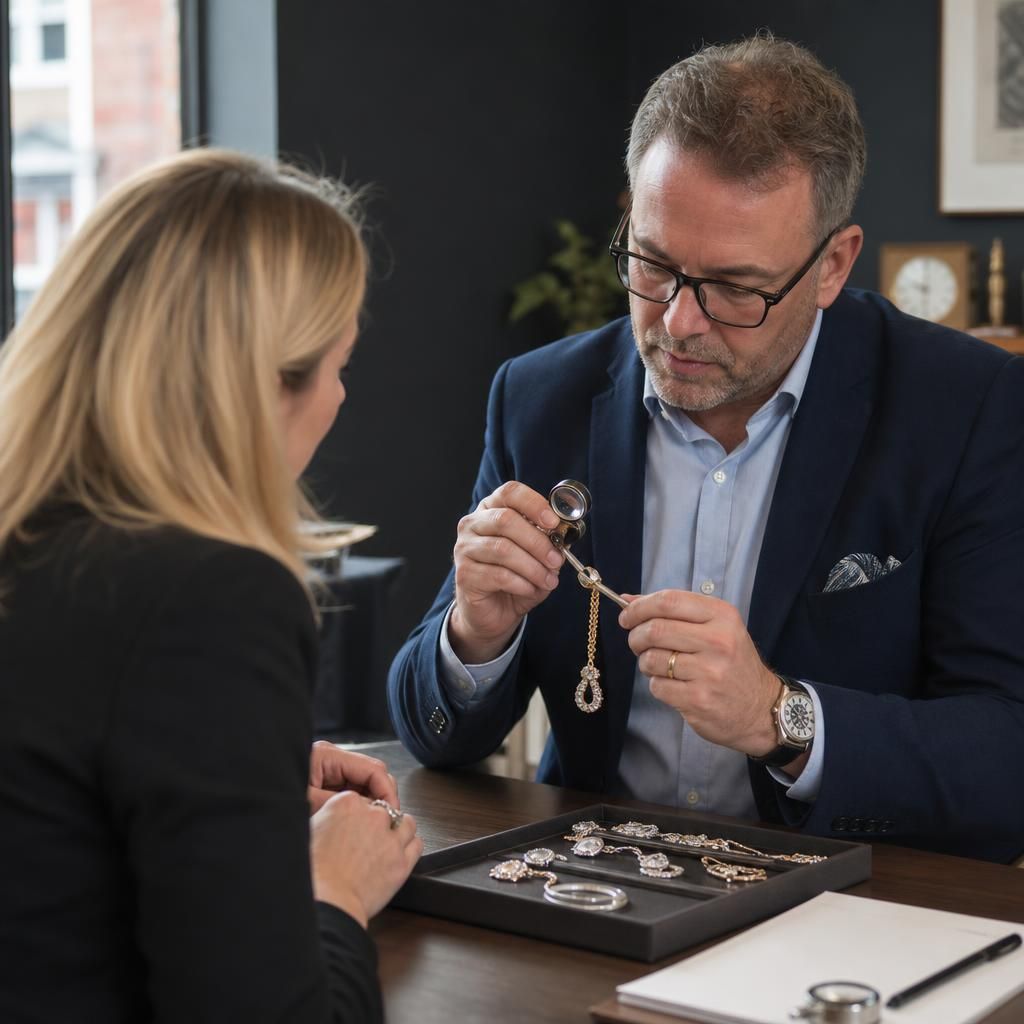
One practical way to address discrepancies in probate jewellery valuations is to focus on the valuation methodology employed by each valuer. Different valuers might use varying approaches to assess the same piece of jewellery, which can result in diverse final valuations. Understanding these methodologies can help clarify why discrepancies arise. For example, one valuer may prioritise contemporary market trends, while another places more emphasis on historical value or provenance.
The first step is to request a detailed explanation of the methodology used by each valuer. Each should provide an account of how they evaluated factors such as material weight and purity, craftsmanship, and any comparative market analysis conducted. Such transparency will allow you to identify where potential differences in judgement might have occurred, especially in bespoke or unique items often subject to subjective factors. By ensuring you understand each valuer’s focus, you can better assess which elements of their approach may have led to differing conclusions.
Discuss a Discrepancy in Your Probate Jewellery Valuation
If probate valuations differ, bring the reports and supporting documents to Steven Charles Quance for an expert review of the valuation basis, condition assessment and comparable market evidence. We can help clarify the discrepancy and advise whether an updated or independent probate valuation is appropriate.