
What are the key elements that influence the valuation of vintage jewellery for probate?
The valuation of vintage jewellery for probate is significantly influenced by factors such as the piece’s age, provenance, design, material composition, and current market trends. Understanding these elements can help ensure an accurate appraisal and maximise the value of the jewellery estate.
When valuing vintage jewellery for probate, several key elements must be evaluated to ensure an accurate and fair assessment. These elements include the age of the jewellery, its provenance, design, material composition, and the influence of current market trends. Understanding each aspect is crucial for the valuation process, as these factors collectively determine the market worth of the piece.
Age is a critical factor, as it can greatly influence the collectible status and potential value of vintage jewellery. Older pieces, particularly those from renowned eras or movements, such as the Art Deco or Victorian periods, can attract higher values due to historical significance and rarity.
Provenance refers to the documented history of ownership and origin of the jewellery. Provenance can add substantial value to a piece, especially if it has been owned by a notable figure or has a connection to important historical events. Documentation supporting the provenance is essential to justify valuation claims during probate.
The design and craftsmanship of a piece are equally important. Unique designs or those attributed to an acclaimed jewellery designer can markedly increase a piece’s value. Intricate craftsmanship or the use of traditional techniques that are no longer widely practiced can also raise a jewellery item’s desirability and valuation.
Material composition involves analysing the metals, gemstones, and other materials used in the piece. The quality, type, and rarity of both stones and metals play a crucial role in determining value. Precious metals like platinum and high-quality gemstones with exceptional clarity and colour can significantly enhance a jewellery piece’s worth.
Lastly, current market trends must be considered, as these can fluctuate and impact valuation. Economic trends, consumer demand for vintage pieces, and the popularity of certain styles or periods all influence market value. Regular monitoring of these trends is essential for accurate probate valuations.
Ensuring a comprehensive approach when valuing vintage jewellery for probate maximises the estate’s overall value and supports compliance with legal and fiscal responsibilities. Clients at Steven Charles Quance receive personalised guidance through each of these elements, ensuring a thorough and satisfactory valuation process.
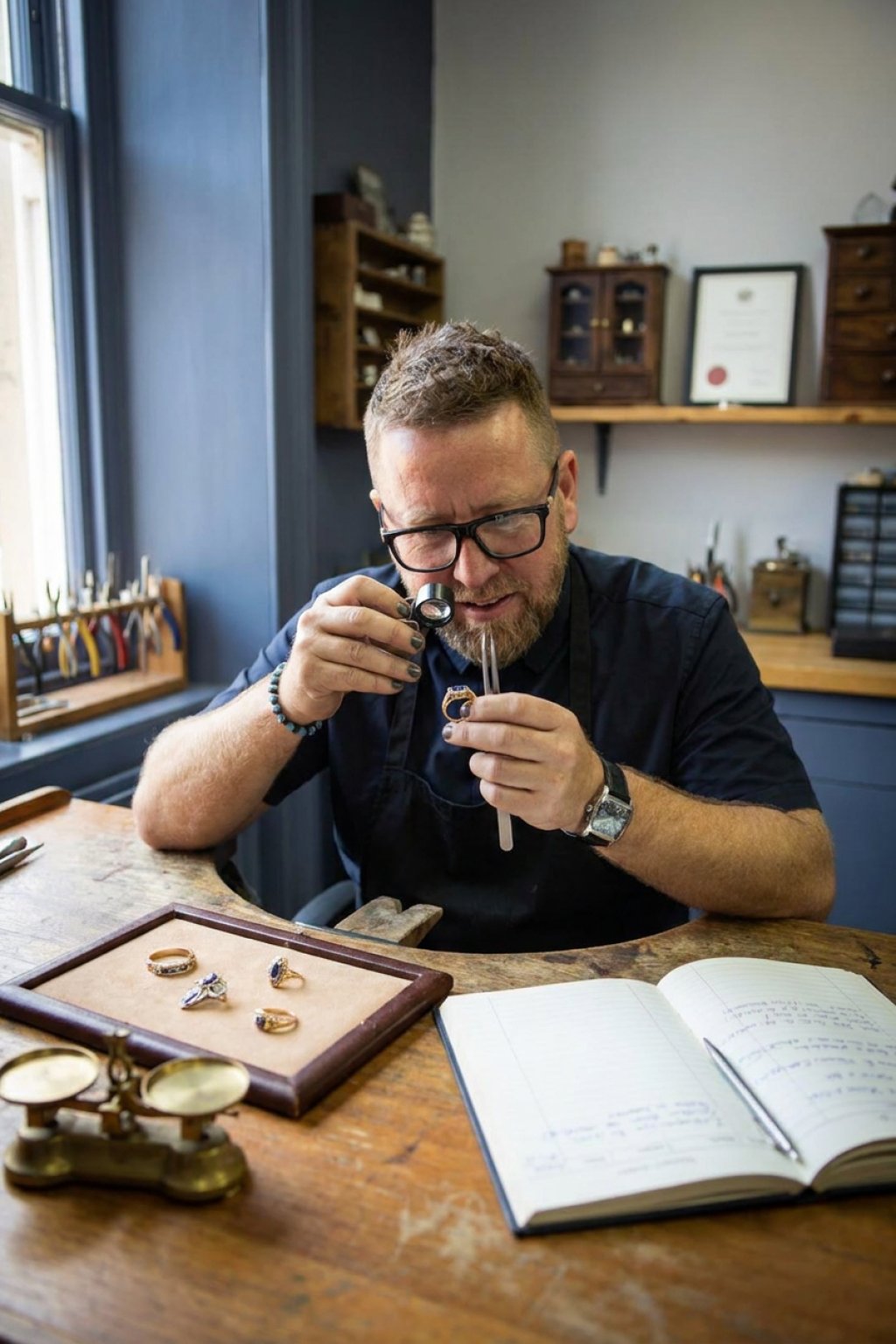
Provenance, or the detailed history of a vintage jewellery piece, plays a pivotal role in its valuation for probate purposes. Provenance can significantly enhance the perceived value of an item by providing a narrative that connects the piece to historical events or notable individuals. For instance, a necklace that once belonged to a member of royalty or was crafted during a significant historical period holds intrinsic appeal and commands higher market interest.
When assessing provenance, it is crucial to have documented evidence such as original purchase receipts, photographs, or auction catalogues, which support the claimed history of the piece. At Steven Charles Quance, we guide our clients in compiling and verifying these documents to ensure an accurate reflection of the jewellery’s historical relevance. This systematic documentation not only substantiates the provenance claim but also ensures the valuation process for probate is thorough and justifiable.
Arrange Your Vintage Jewellery Probate Valuation
Arrange a professional vintage jewellery probate valuation with Steven Charles Quance for an impartial assessment based on your piece’s authenticity, condition, provenance and current market evidence. Contact us to discuss your requirements and the documentation needed for an accurate report.