
What are the tax implications of jewellery valuation for probate?
Jewellery valuation for probate has significant tax implications, as it helps determine the total value of a deceased person’s estate, impacting inheritance tax liabilities. An accurate jewellery valuation ensures compliance with legal requirements and aids in the fair distribution of the estate to beneficiaries. It is crucial to consider market value and any pertinent discounts or premiums specific to each piece, such as uniqueness or provenance, in order to provide a precise assessment for tax purposes.
Jewellery valuation for probate is a critical element in the estate administration process, as it impacts the calculation of inheritance tax liabilities. In the United Kingdom, inheritance tax is charged on the overall value of the estate, and an accurate valuation of significant assets such as jewellery is essential to ensure correct tax assessment. The value determined through a probate valuation will provide the basis for any tax obligations that might arise. Furthermore, the valuation ensures that the distribution of assets is equitable and reflective of current market values.
When valuing jewellery for probate, the focus should be on the open market value at the date of the owner’s death, wherein a piece is likely sold between a willing buyer and a willing seller. This differs from insurance valuations, which often consider replacement value, potentially leading to discrepancies. By determining market value, the valuation process accounts for various factors like the condition, provenance, uniqueness, and any distinguishing features or ethical sourcing that might influence a piece’s market demand. Notably, expert valuers will incorporate relevant discounts or premiums—such as those related to an item’s historical significance or bespoke nature—to furnish an accurate market value.
It is vital to engage qualified professionals who specialise in probate valuations and possess comprehensive knowledge of the jewellery market. This ensures compliance with Her Majesty’s Revenue and Customs (HMRC) regulations, providing peace of mind that the estate’s tax liabilities are being handled with due expertise. In the event of discrepancies between valuations, clear documentation, and authoritative expert opinions can aid in resolving such differences effectively. Importantly, failure to obtain precise valuations could lead to understating or overstating the estate’s worth, resulting in potential tax penalties or disputes among beneficiaries.
The probate process is intricate, and while jewellery is just one component of an estate, its valuation can significantly influence taxation outcomes. In servicing our clients across Birmingham and the wider UK, Steven Charles Quance offers not only expert valuation but also guidance through these legalities, ensuring informed decision-making and adherence to all required protocols. Our tailored approach focuses on building trust and providing assured professionalism in each bespoke valuation we conduct.
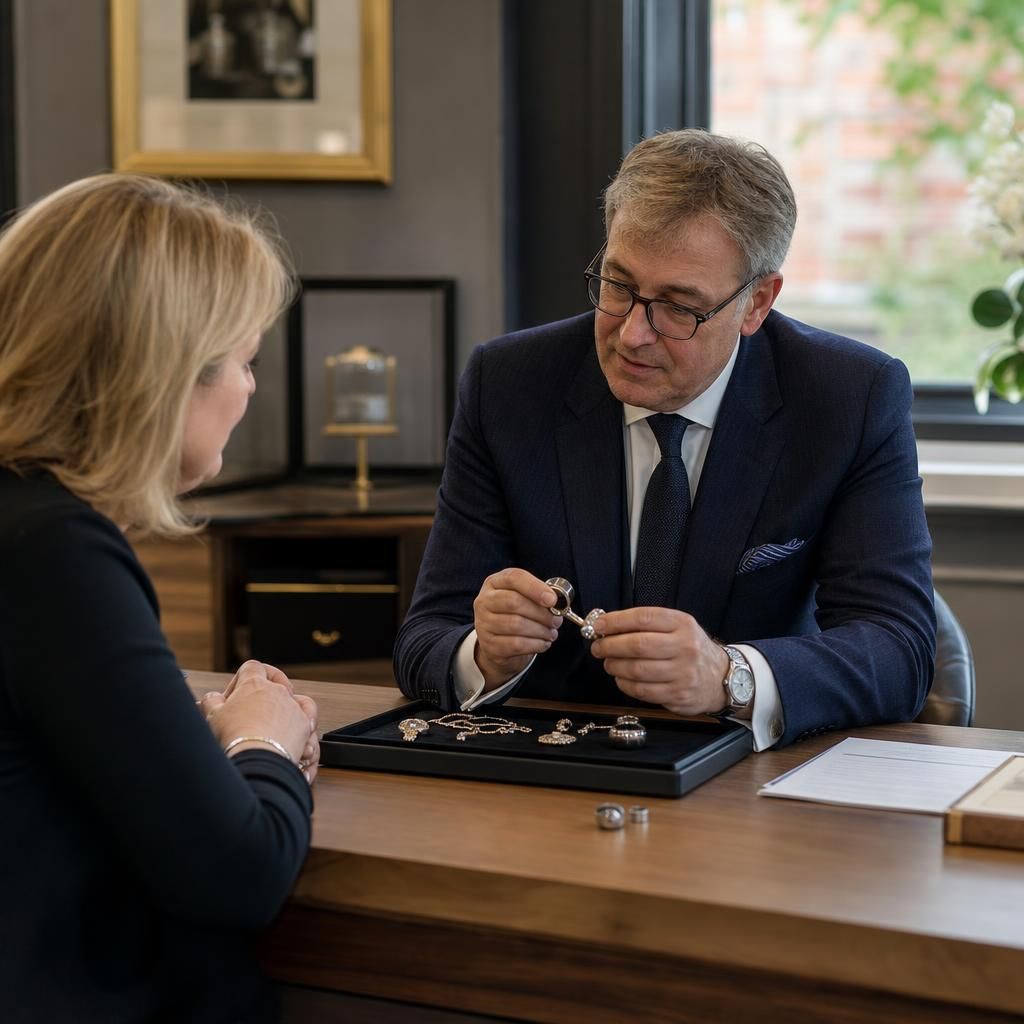
When considering the tax implications of jewellery valuation for probate, one fundamental aspect is understanding how an item’s open market value directly affects inheritance tax liabilities. Inheritance tax in the UK is calculated on the total estate value, including jewellery pieces, at the time of the owner’s death. Accurate valuation plays a critical role in ensuring the estate is assessed correctly for tax purposes. Open market value differs from insurance valuations, which typically reflect replacement costs rather than what a piece would fetch in a willing buyer and seller scenario. This makes it essential to work with qualified professionals familiar with probate valuations, as their expertise ensures adherence to guidelines set by HMRC and a fair representation of an estate’s worth.