What role does lab-grown diamonds play in the probate valuation process?
Lab-grown diamonds play a significant role in the probate valuation process as they offer a modern alternative to natural diamonds. When assessing an estate, it’s crucial to differentiate between lab-created and natural diamonds due to differences in market value and consumer demand. Understanding these distinctions ensures an accurate appraisal and fair distribution of assets.
Lab-grown diamonds are increasingly relevant in the probate valuation process due to their distinctive characteristics and market dynamics. These diamonds, identical to natural ones in terms of chemical composition and appearance, are produced in controlled environments using cutting-edge technology. Understanding their role in probate valuation is crucial for accurate asset assessment, as they can significantly influence the perceived value and equitable distribution of estate items.
In probate valuation, distinguishing between lab-grown and natural diamonds is essential because they differ in market value, despite having the same visual and structural properties. Lab-grown diamonds are generally priced lower than their naturally occurring counterparts, which is primarily due to differences in rarity and production processes. This price differential makes it necessary for valuers to accurately identify the origin of the diamonds in an estate to ensure that appraisals reflect their true market value rather than inflated estimates based on misconceptions of origin.
Expertise in identifying lab-grown diamonds is vital for any jewellery valuer involved in probate assessments. Utilising advanced gemological tests, such as photoluminescence spectroscopy, is often necessary to confirm the creation process of a diamond. This professional insight prevents potential disputes over valuations within probate proceedings and secures a fair and transparent asset distribution.
Additionally, lab-grown diamonds present ethical and sustainable advantages that, although they may not directly influence the current market value, contribute positively to their appeal among modern consumers. When valuing an estate, recognising these broader contextual factors can add nuance to the final appraisal, ensuring clients have a comprehensive understanding of what the piece represents beyond monetary terms.
At Steven Charles Quance, we appreciate the intricate layers of probate valuation. Our commitment to accuracy, informed by decades of experience and familiarity with both natural and lab-created gems, ensures that each valuation is thorough and reflective of the latest industry standards. This attention to detail and dedication to ethical appraisal practices underscore our reputation as trusted advisors in the complex field of jewellery and watch appraisal.
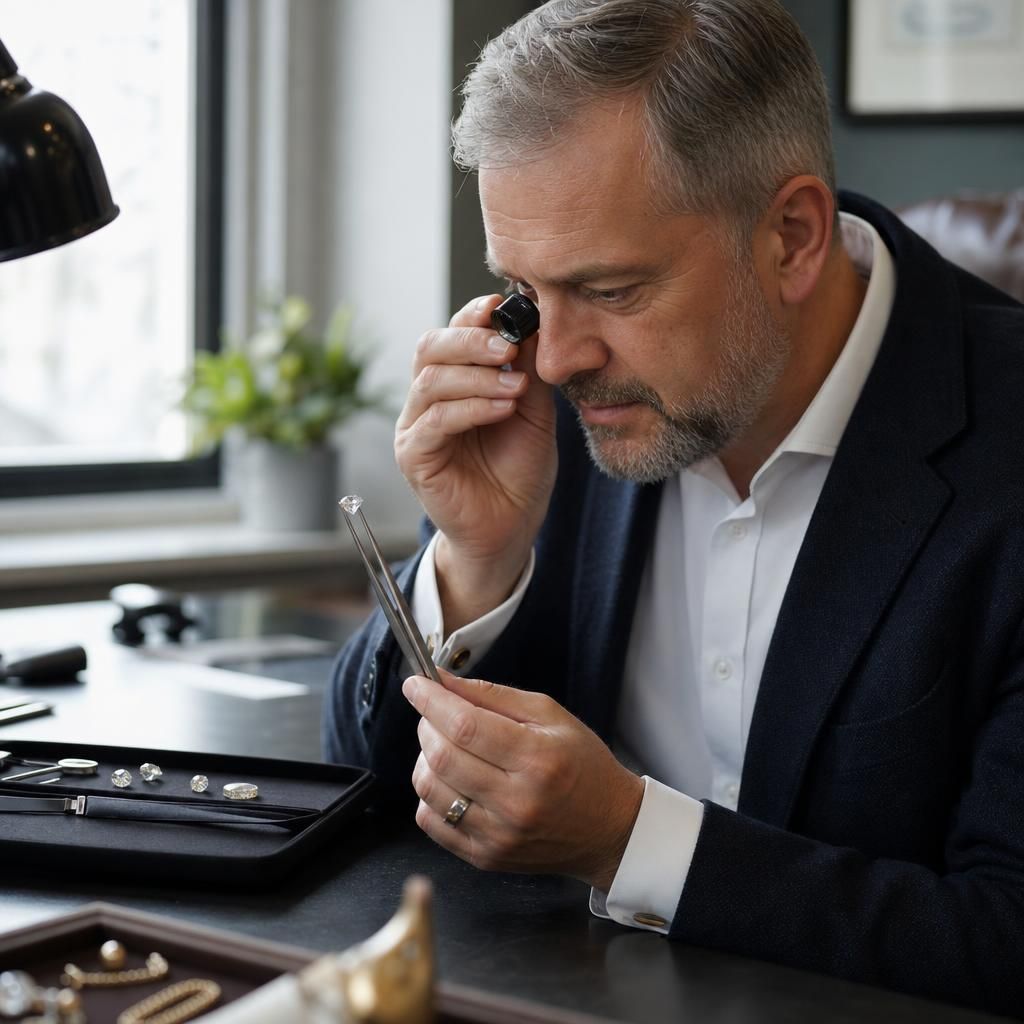
In probate valuation, recognising the significance of lab-grown diamonds is paramount. These diamonds match natural diamonds in chemical and physical attributes but are crafted in laboratories, providing a new dimension to jewellery assessment. One key aspect of their role in probate is their impact on market value distinctions between lab-grown and natural stones. Valuers must be adept at identifying these differences to ensure fair and accurate appraisals. Utilising advanced gemological tools, such as photoluminescence spectroscopy, allows experts to accurately determine whether a diamond is lab-grown, thereby preventing misidentification and ensuring equitable asset distribution.
Arrange a Probate Valuation for Lab-Grown Diamond Jewellery
Arrange a probate valuation for your lab-grown diamond jewellery with Steven Charles Quance to ensure its materials, condition and current market position are documented accurately for estate administration. Contact us to discuss the piece and the information required for an appropriate probate assessment.