
What types of metals and stones are best suited for alteration work?
Precious metals like gold, platinum, and palladium are ideal for jewellery alteration due to their malleability and strength. These metals can be easily resized or reshaped without compromising their integrity. In terms of stones, diamonds, sapphires, and rubies — known for their hardness and durability — are best suited for alteration work, as they can withstand the pressure of being reset or modified without damage.
When selecting the optimal metals and stones for jewellery alterations, understanding their intrinsic qualities is paramount to ensure the piece’s longevity and aesthetic integrity. Precious metals such as gold, platinum, and palladium are frequently used in alterations due to their unique combination of malleability and durability. Gold, available in various carats, allows for versatility in design and can sustain typical resizing processes, with lower carat golds like 9ct being less likely to deform than their higher carat counterparts, such as 18ct or 22ct, which are more malleable.
Platinum stands out for its strength and resistance to wear, making it an excellent choice for resizing or reshaping, particularly in bands that are expected to endure substantial wear over time. Its dense nature affords added security in holding stones firmly in place, which is a key consideration during any modification.
Palladium, part of the platinum group metals, shares similar qualities but with a lighter weight, which can be advantageous for both wearer comfort and ease of work during alteration processes. Its hypoallergenic properties also make it an attractive option for those with sensitive skin considerations.
In terms of gemstones, durability is a key factor for alteration work. Diamonds, sapphires, and rubies are highly favoured, thanks to their considerable hardness and ability to withstand significant pressure during setting or reshaping. Diamonds, rated the hardest mineral, provide unmatched resilience, ensuring that they remain intact through various alteration processes.
Sapphires and rubies, both corundum gems, offer vibrant colours along with high resistance to scratching and chipping, essential characteristics for any resizing or remodelling tasks. Their inherent toughness minimises the risk of damage, allowing for intricate adjustments without compromising on the stone’s quality.
For clients seeking unique or ethical choices, stones such as lab-grown diamonds or moissanites are increasingly popular, aligning with modern preferences without sacrificing the ability to alter the piece if needed. These stones provide comparable durability and visual appeal, ensuring adaptability in design.
In engaging with our services, clients are assured of expert guidance and precise workmanship, guaranteeing that any alterations enhance the original design while maintaining its intended beauty and functionality. Our approach considers not only the physical characteristics of the metals and stones but also the personal significance and future wear of each bespoke piece.
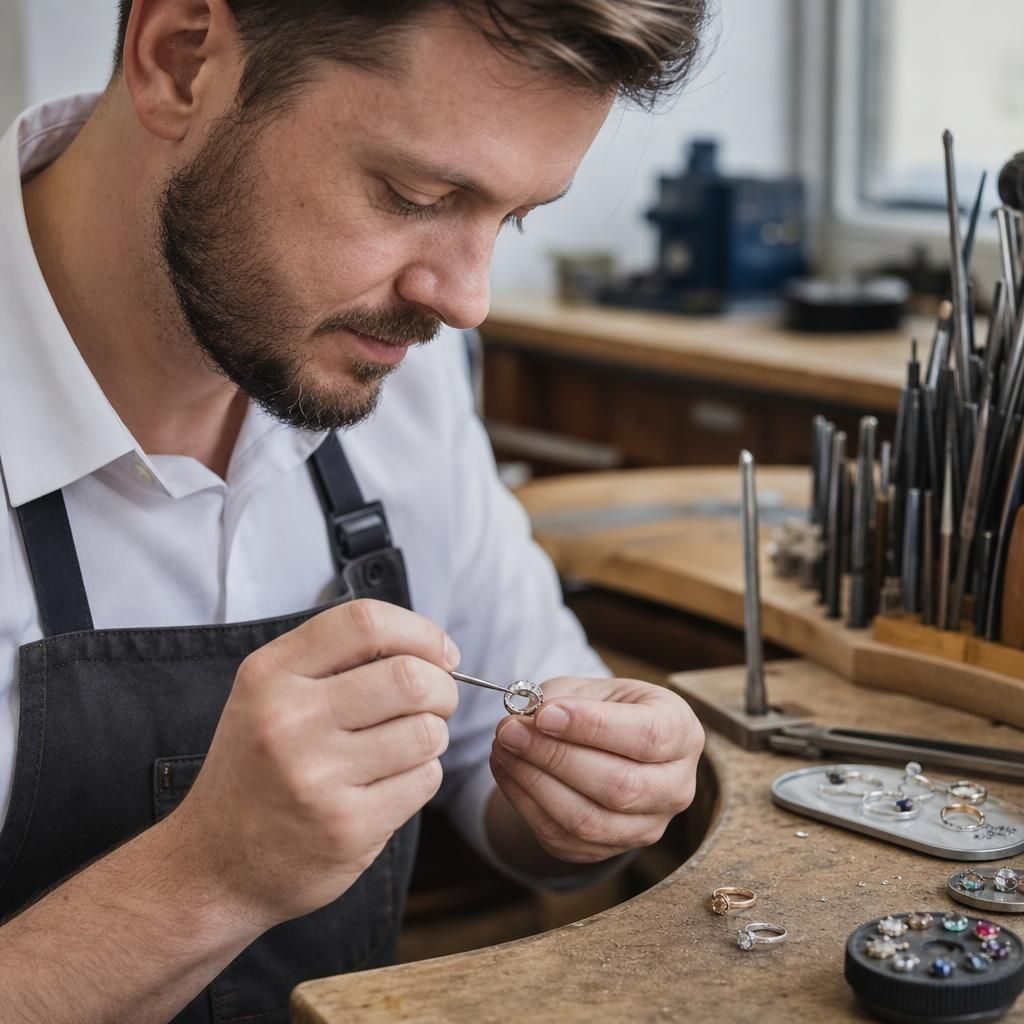
When considering jewellery alterations, one critical aspect is the choice of metal for the settings and bands. Metals such as gold, platinum, and palladium are particularly suitable due to their specific properties. Gold, for instance, offers excellent malleability, which allows for intricate design adjustments. By opting for lower karat gold, such as 9ct, clients benefit from increased durability, which can be particularly beneficial in preventing deformation during alterations.
Platinum, renowned for its resilience, is advantageous when alterations require maintaining the structural integrity of the piece under significant wear. This metal’s weight and robustness help in securely holding gemstones, ensuring durability post-alteration.
Palladium, while sharing many attributes with platinum, is lighter and also hypoallergenic, providing a comfortable option for users with sensitive skin. This metal’s ease of work makes it a popular choice for alterations that require precision and adaptability.