
Are there specific materials or types of beads that are more vulnerable to damage during restrining?
When restringing necklaces, certain bead materials, such as coral, turquoise, and pearls, are particularly vulnerable to damage due to their softer and more porous nature. These beads require careful handling and specialised techniques to ensure their integrity during the restringing process. Consulting with experienced jewellers for advice on protective measures, such as the use of appropriate padding or knotting between beads, can help safeguard these delicate materials.
When embarking on the delicate task of restringing necklaces, understanding which bead materials are most susceptible to damage is crucial. Materials such as pearls, coral, and turquoise, due to their inherent softness and porous texture, require particular caution. Pearls, for instance, can be easily scratched or lose their lustre if not handled correctly during the restringing process. Similarly, coral and turquoise are prone to chipping or breaking under excessive pressure or rough handling.
To mitigate these risks, it’s advisable to employ special techniques and tools designed to protect these sensitive materials. Using soft padding during restringing can provide an extra layer of protection against abrasion or sudden impacts. Additionally, knotting between beads not only adds an element of security but also prevents individual beads from rubbing against each other and causing surface damage.
Another key aspect is choosing the right type of stringing material. Silk thread is often recommended for fragile beads due to its smooth texture, which reduces friction. However, for heavier beads or those requiring more robust support, a synthetic alternative might be preferable to ensure durability while maintaining a delicate balance.
Moreover, consulting with a seasoned jeweller who has a deep understanding of bead characteristics and stringing techniques can greatly enhance the chances of a successful restringing outcome. They can offer tailored advice on protective measures fitting the specific materials of your necklace and provide reassurance through their expert handling and knowledge.
Your existing trust in our services positions you to benefit from our adept handling of such tasks, ensuring that your cherished jewellery retains its beauty and elegance for years to come. It is this specialised care and expertise that distinguishes a professional restringing service, safeguarding your valuable and sentimental pieces throughout the process.
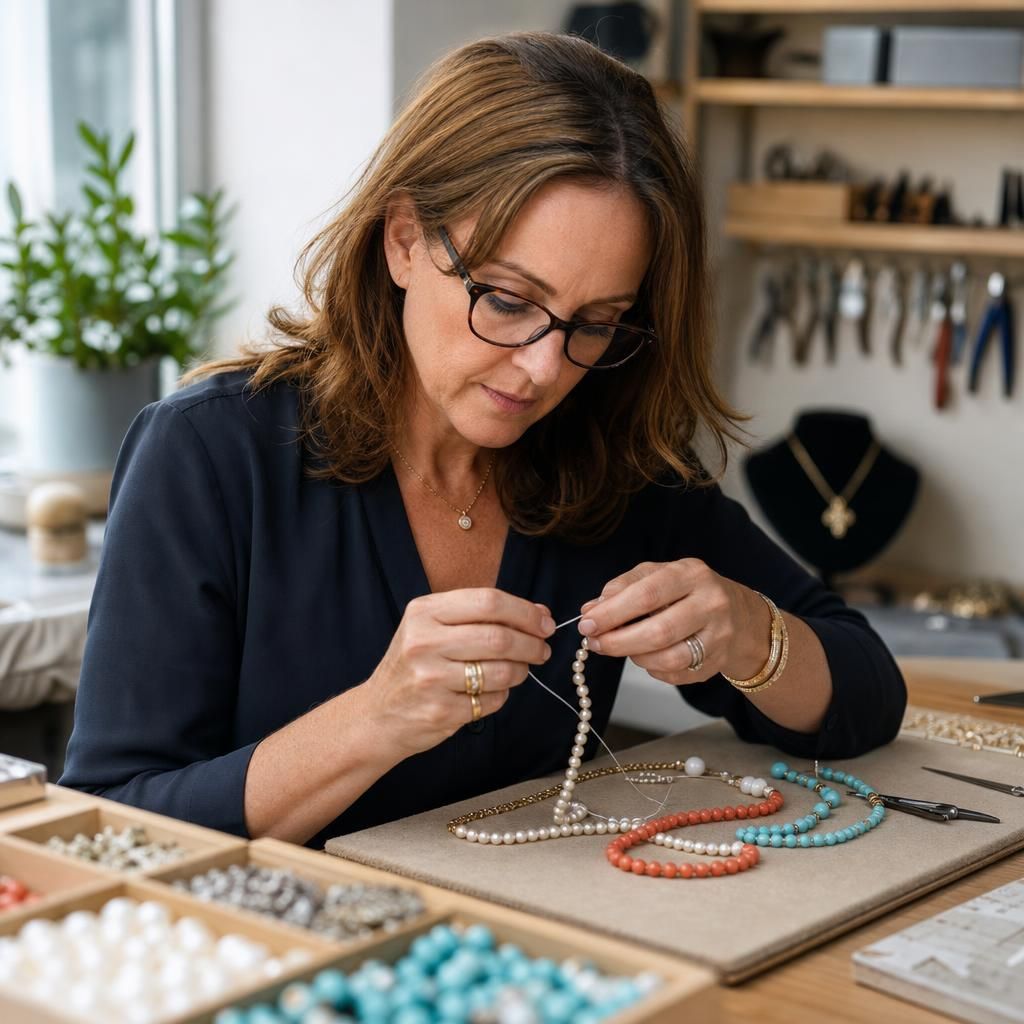
When restringing necklaces, careful consideration of bead materials is essential to prevent damage. Soft and porous materials, such as pearls, coral, and turquoise, are particularly susceptible to wear and damage during this process. Pearls, for instance, are prone to scratching and losing their natural sheen. Coral and turquoise, being inherently brittle, can chip or crack under excessive tension. To safeguard these materials, incorporate techniques like using soft padding and knotting between beads, which act as a cushion and prevent abrasive contact between beads. Additionally, selecting the appropriate stringing material, such as silk thread, can reduce friction and provide adequate support while maintaining the integrity of softer beads. These practised measures can significantly minimise the risk of damage, ensuring that your luxury jewellery retains its pristine condition.
Ask Us About Protecting Vulnerable Beads During Restringing
If your necklace contains pearls, opals, turquoise, amber, coral or other porous, layered or brittle beads, ask us to assess them before restringing so the safest handling and materials can be selected. Contact us to discuss protecting vulnerable beads and preserving the appearance and integrity of your necklace.