
Are you aware of how personalised jewellery engraving requires specific material considerations to ensure long-lasting results?
When engraving personalised jewellery, it is essential to consider the material in use, as it significantly affects the engraving’s durability and clarity. Different materials such as gold, platinum, and titanium react uniquely to engraving techniques. Gold, known for its malleability, allows for intricate designs but requires careful handling to avoid damage. Platinum offers a robust surface ideal for precise and lasting engravings, while titanium is exceptionally durable but demands specialised equipment for successful engraving. These material distinctions ensure that your chosen engraving stands the test of time, maintaining both its aesthetic value and personal significance.
Personalised jewellery engraving is a nuanced skill demanding careful consideration of the materials used. The chosen material can greatly influence the longevity, visibility, and precision of the engraving. For instance, gold, with its well-known malleability, facilitates intricate engraving due to its softness, but it necessitates delicate handling to prevent deformation. Platinum, on the other hand, is a hardier metal, offering an excellent canvas for precise and enduring engravings due to its surface strength. Meanwhile, titanium stands out for its durability, however, it requires specialised tools and expertise for successful engraving given its resistance to traditional engraving methods.
Understanding these material nuances allows for the creation of engravings that not only enhance the aesthetic appeal but also maintain their intended message over time. It’s critical to align your choice of metal with the engraving style you envision; each metal responds differently to the engraving process, which could impact the depth, clarity, and detail achievable.
Moreover, if your jewellery requires repair or sizing adjustments, knowing these characteristics can guide your approach to ensuring engravings retain their integrity. For example, opting for resilient metals like titanium or platinum may reduce potential wear during resizing or repairs, preserving the engraved message’s integrity. For softer metals, it may be beneficial to undertake additional protective measures or periodic polishing to maintain the engraving’s quality.
Ultimately, selecting the right material paired with professional expertise guarantees that your personalised jewellery engraving not only enhances the piece but remains a cherished attribute throughout its lifespan. As a valued customer of Steven Charles Quance, you can trust in our commitment to providing exceptional aftercare services, ensuring that your bespoke creation is meticulously maintained and cared for, preserving its aesthetic and sentimental value for years to come.
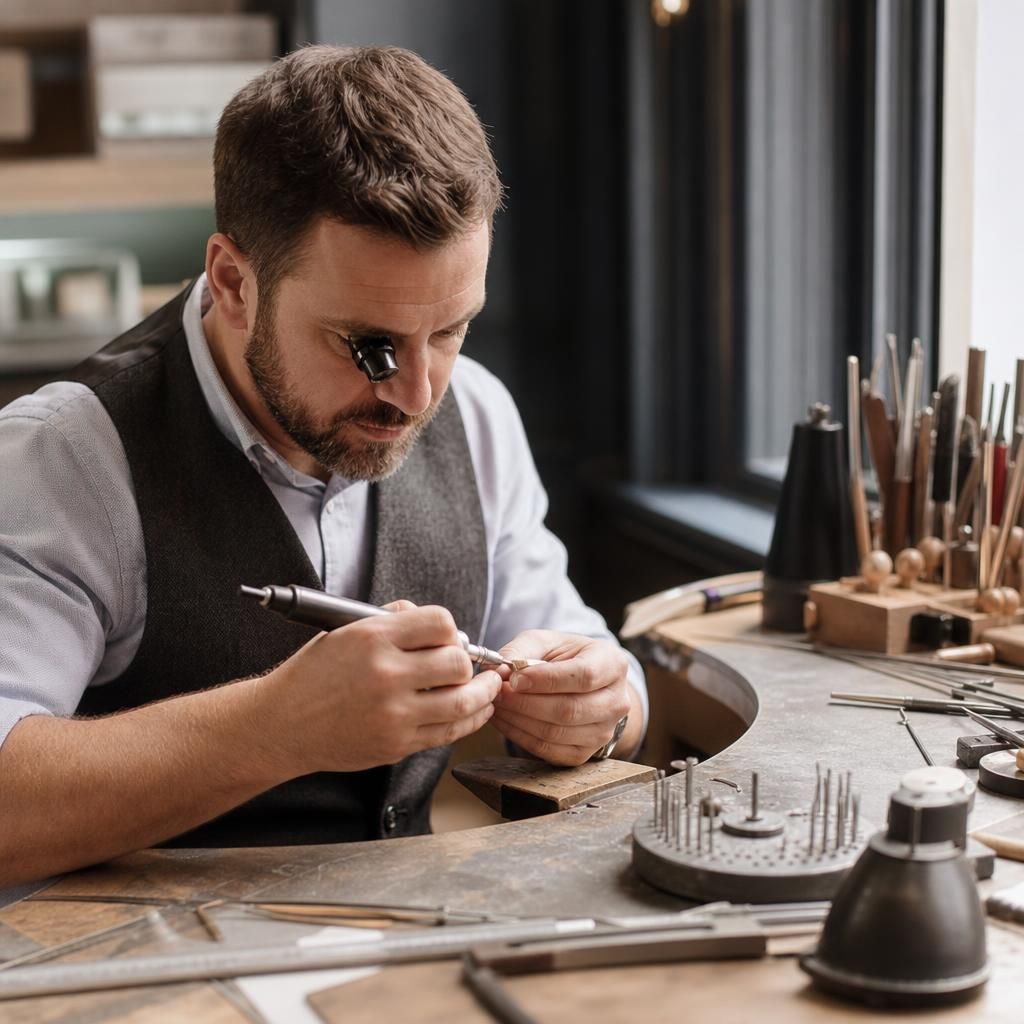
When considering personalised jewellery engraving, material selection is critical. Different metals exhibit specific characteristics that influence the engraving process, contributing to both the visual and tactile elements of the final product. Gold, prized for its malleability, permits intricate designs but requires careful handling due to its softness, which may impact the longevity of the engraving. Conversely, platinum offers a superior surface strength, promoting engravings that endure wear over time. Titanium, while known for its exceptional strength, necessitates specialised equipment and expertise, ensuring engravings are applied with precision. These material choices not only define the craftsmanship but also play a pivotal role in maintaining the piece’s integrity through future resizing or repair services. By understanding and selecting the appropriate metal for your bespoke jewellery at Steven Charles Quance, you can enjoy a harmonious blend of personalised artistry and enduring quality.
Discuss the Right Materials for Your Engraving
Speak to Steven Charles Quance to discuss which metal, surface finish and engraving method will provide the most durable result for your personalised jewellery repair. We can assess your piece and recommend an appropriate approach before any work begins.