
Have you explored the impact of different engraving styles on the aesthetics and longevity of your jewellery?
Different engraving styles can significantly influence both the visual appeal and durability of your jewellery. The choice of engraving technique—be it hand-engraving or machine-assisted methods—affects the intricate details achievable and the overall finish of the piece. Additionally, certain styles may offer better longevity by reducing wear, particularly in more frequently handled items like rings or bracelets. Selecting the appropriate engraving style ensures your jewellery not only looks exquisite but also withstands the test of time, preserving its elegance and meaning for years to come.
Exploring different engraving styles is crucial for those who wish to enhance both the aesthetics and longevity of their jewellery. While some might think of engraving solely as a means of personalisation, it plays a significant role in defining your jewellery’s overall appearance and durability. The manner in which an engraving is executed, whether through traditional hand-engraving or modern machine methods, impacts the detail and precision that can be achieved, ultimately influencing the visual appeal of the piece.
Hand-engraving is renowned for its artistic finesse, yielding deep cuts that create lasting and intricate designs. This technique is particularly advantageous for jewellers like ourselves who prioritise bespoke craftsmanship, allowing for highly personalised and unique results that withstand time when expertly maintained. Machine engravings, on the other hand, offer remarkable precision and are particularly suited for more complex patterns or when an exact replication of a design is desired. While generally quicker and less labour-intensive, selecting this method depends on the piece’s artistic and structural requirements.
Importantly, the choice of engraving style can directly impact durability. For items frequently exposed to external conditions, such as rings or bracelets, selecting a style less susceptible to wear is vital. Deep engravings, for instance, may be less prone to fading over time compared to shallow ones. This not only maintains the aesthetic appeal of your jewellery but also ensures the personal sentiment encapsulated in the piece endures.
Additionally, understanding the material of the jewellery is essential when considering engraving styles. Different metals respond uniquely to various techniques; softer metals like gold might benefit from gentler engraving methods to prevent undue stress, whereas harder materials such as platinum can accommodate more intense techniques without damage. Consulting with expert jewellers can guide your decision-making process, ensuring that your jewellery retains its original charm while gaining an added layer of personal significance through well-chosen engraving styles.
Ultimately, by carefully selecting the appropriate engraving style in consultation with experts skilled in bespoke jewellery, you assure not only the beauty but also the lasting quality of your cherished pieces, preserving their elegance and bespoke value.
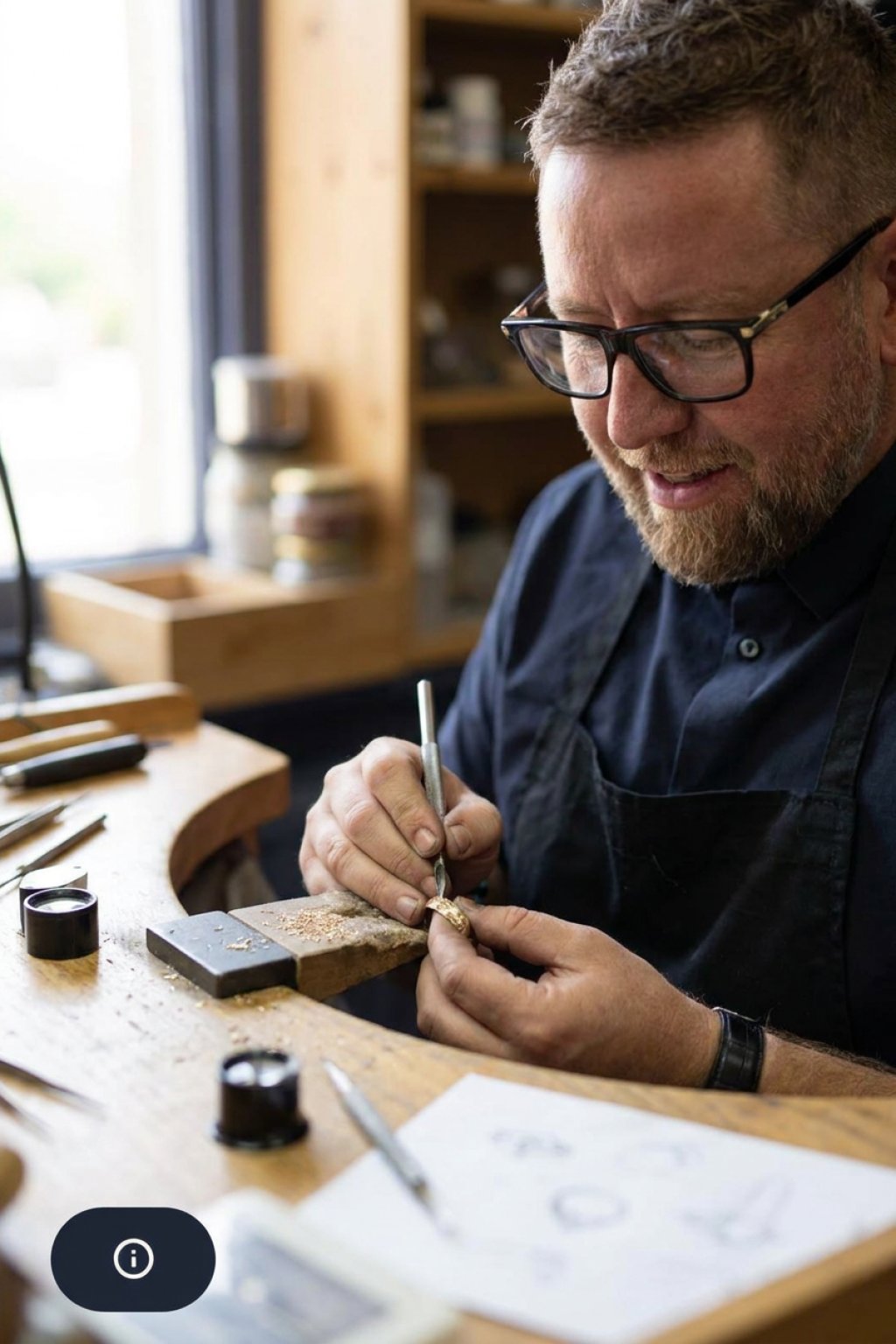
The engraving style chosen for a piece of jewellery greatly influences its aesthetic appearance and durability. Choosing between hand-engraving, which allows for deep, artistic designs, and machine-assisted engraving, which offers precision and consistency, is essential in achieving the desired look and feel for your jewellery. Hand-engraving offers a personal touch that highlights craftsmanship and bespoke design, making it particularly suitable for those who value unique and intricate patterns. The depth and artistry achieved through this method can endure the test of time, provided it is well maintained.
On the other hand, machine-assisted engraving provides unparalleled precision, which is ideal for implementing complex designs or replicating a specific pattern with exactness. This style excels in consistency and speed, making it preferable for certain structural or artistic requirements that demand a uniform finish.
Moreover, the material of the jewellery must be considered; softer metals like gold may require gentler engraving approaches to avoid damage, while harder metals like platinum can handle more robust engraving techniques.
By understanding these differences and consulting with skilled jewellers, you can ensure that your chosen engraving style enhances not only the beauty but also the long-lasting quality of your jewellery, maintaining its sentimental and aesthetic value over time.