
Are there any risks associated with undervaluing or overvaluing a Rolex watch, and how can I avoid them?
Accurate valuation of a Rolex watch is crucial to ensure that you neither undervalue nor overvalue your timepiece. Undervaluation could lead to inadequate insurance or a lower resale price, while overvaluation might result in higher insurance premiums or difficulties in selling. To avoid these risks, rely on expert valuation services that consider the watch’s condition, age, model, and documentation, ensuring a precise market value aligned with current trends.
Valuing a Rolex watch accurately is imperative for safeguarding your investment and ensuring fair value in various scenarios. Underestimating your Rolex’s worth may expose you to risks such as inadequate insurance coverage, where in the event of loss or damage, your compensation might fall short of its actual market value. Conversely, overvaluing it can lead to unnecessarily high insurance premiums and complications during resale, as potential buyers might be hesitant to purchase a watch misaligned with market realities.
To avert these pitfalls, it’s crucial to engage with expert valuation services that provide well-informed assessments based on several key factors. The condition of the watch greatly influences its value. Scratches, dents, or missing components can significantly lower the valuation, while a well-maintained piece can uphold or even enhance its worth. The age and model of the Rolex also play pivotal roles; certain vintage models or limited editions might carry premium values due to rarity or historical significance.
Comprehensive documentation is another vital component in achieving accurate valuations. Original purchase receipts, service records, and certificates of authenticity are essential in substantiating the watch’s provenance and service history, directly impacting its valuation. Engagement with valuation experts who are well-versed in recognising these documents is critical for aligning your watch’s declared value with current market trends.
Regular re-evaluation of your Rolex’s value is advisable, especially in a dynamic market where prices can fluctuate due to brand demand, new releases, or economic factors. By staying informed and utilising reputable valuation services, you can effectively manage the risks associated with both undervaluation and overvaluation, ensuring your precious Rolex is accurately represented in both insurance and resale transactions.
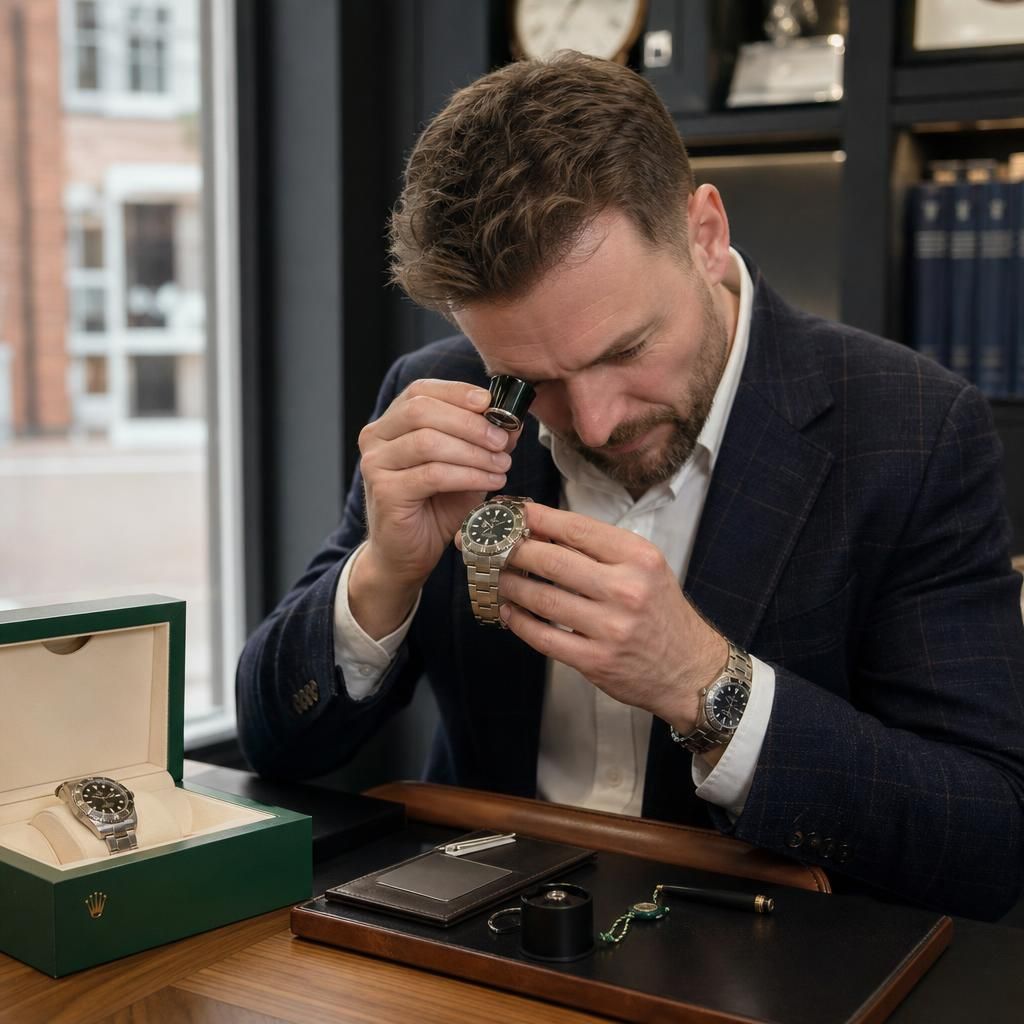
The Role of Condition and Documentation in Rolex Valuations
The accurate valuation of a Rolex watch hinges significantly on its physical condition and accompanying documentation. The condition of your Rolex is a primary factor in determining its market value, as visible wear such as scratches, dents, or missing components can diminish its worth. Conversely, an immaculate, well-cared-for timepiece often sees a preservation or enhancement of value.
Documentation complements the physical attributes by offering verifiable history and authenticity. Essential documents, such as original sales receipts, certificates of authenticity, and comprehensive service records, substantiate the provenance and maintenance of your watch. These records are pivotal in ensuring the assessed value aligns with the current market pulse, protecting against both underestimation and overvaluation risks. By presenting a complete history, you assure potential buyers and insurers of the legitimacy and preserved condition of the watch, thereby fortifying its declared value.
Arrange an Accurate Rolex Valuation
Arrange an accurate Rolex valuation with Steven Charles Quance to ensure your watch is properly documented for insurance, resale or estate purposes. Contact us to discuss your valuation requirements and receive expert guidance based on your Rolex’s condition, specification and supporting records.