Are all platinum wedding bands equally scratch-resistant?
Not all platinum wedding bands offer the same level of scratch resistance due to variations in their alloy compositions. Pure platinum is often mixed with other metals to enhance durability, and different combinations can influence the extent to which a band resists scratches. Understanding the specific alloy in your platinum band will help clarify its scratch resistance compared to other options.
Platinum wedding bands are renowned for their luxurious appearance and enduring qualities, yet not all platinum bands are created equal in terms of scratch resistance. The scratch resistance of a platinum wedding band largely hinges on its alloy composition. Pure platinum, while durable, is typically combined with other metals such as iridium, palladium, or ruthenium to enhance its strength, wearability, and aesthetic appeal. These combinations, referred to as platinum alloys, vary in their hardness and resistance to surface scratches.
The choice of alloy determines how susceptible a band is to minor damage from everyday wear. For example, platinum mixed with iridium generally offers greater scratch resistance due to its increased hardness compared to other mixtures. Conversely, platinum alloyed with softer metals, though still durable, may show scratches more easily. Understanding the specific alloy composition of your platinum band is crucial in anticipating its performance and longevity.
When selecting a platinum wedding band, it is beneficial to discuss the alloy options during your consultation. Our bespoke services offer guidance in choosing a band that balances aesthetic preferences with practical considerations of durability. Furthermore, considering the environment in which the jewellery will be worn daily can inform the level of scratch resistance required. Regular aftercare, such as polishing and professional assessments, will also help maintain the pristine condition of your platinum band.
Ultimately, while each platinum wedding band possesses its unique characteristics, knowing the metallurgical specifics ensures informed decisions aligning with personal style and longevity expectations. Our commitment to personalised service and expert guidance supports you in selecting a band that not only embodies elegance but also withstands the test of time.
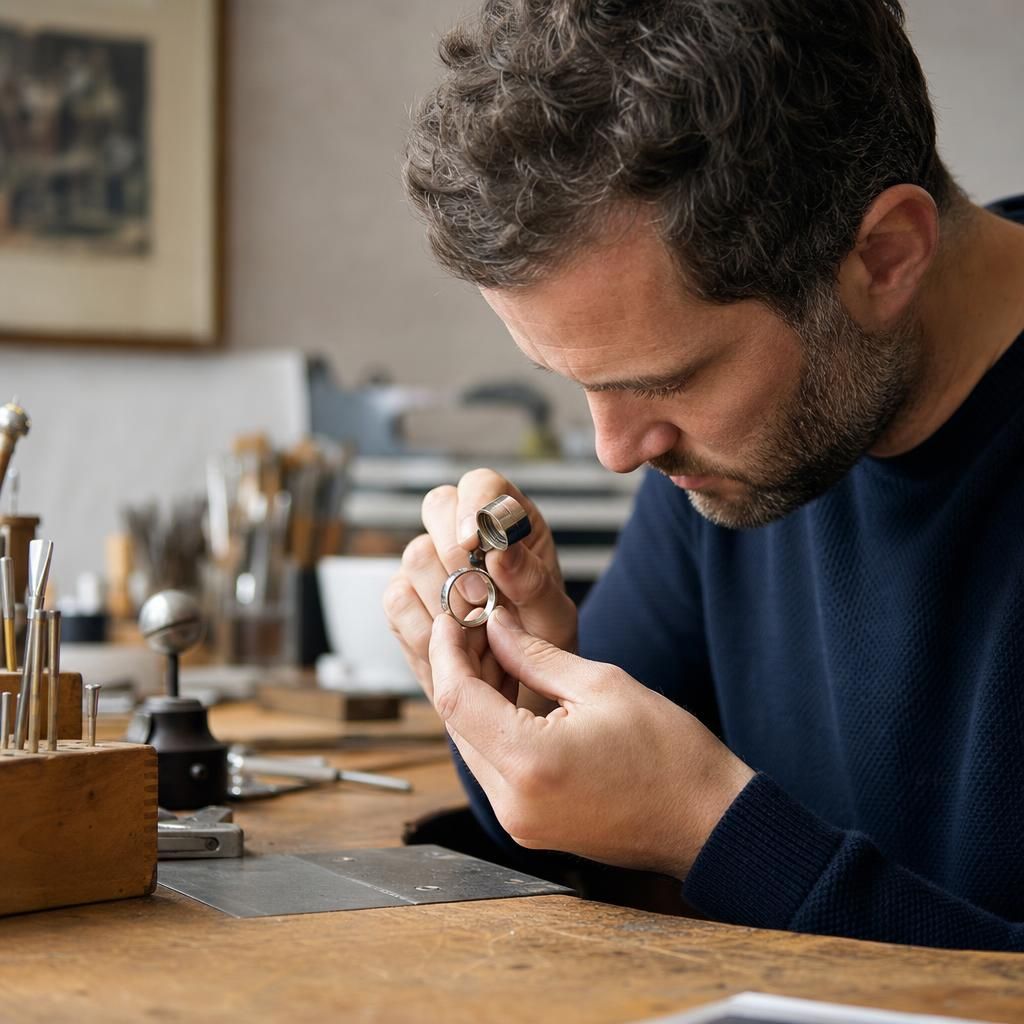
In evaluating the scratch resistance of platinum wedding bands, it is paramount to consider the specific alloy mix used in crafting the band. Platinum, while inherently tough, derives its scratch resistance from the complementary metals it is alloyed with. For instance, when platinum is alloyed with iridium, an element known for its hardness, it results in a band that is considerably more resistant to everyday scratches and surface wear. This is because iridium enhances the overall hardness of the alloy, providing a more resilient surface capable of withstanding friction.
Conversely, if the alloy includes metals that are softer, such as copper or gold, the resulting platinum band may display surface scratches more readily, despite remaining highly durable. Such alloys might appeal to those who favour a slightly different aesthetic or feel. Our bespoke services can guide you in understanding these distinctions and how they relate to daily wear, helping ensure the band you select aligns perfectly with your lifestyle and aesthetic needs. Choosing the right alloy composition is not just about personal style—it’s a practical decision that influences the band’s longevity and appearance over time.
Discuss a Scratch-Resistant Platinum Wedding Band
Discuss your requirements for a scratch-resistant platinum wedding band with our team, including the platinum alloy, profile and finish best suited to your lifestyle. We can guide you through bespoke options and explain how each choice affects durability and future maintenance.