
How does the shape of a diamond affect its appearance and suitability for different ring settings?
The shape of a diamond significantly influences its overall appearance and compatibility with various ring settings. Each diamond shape offers distinct aesthetic qualities and complements particular design preferences, affecting both the visual allure and the setting options available to create your ideal engagement ring. Understanding these characteristics can aid in selecting a diamond shape that best aligns with your personal style and the practical needs of your jewellery piece.
The shape of a diamond is a key factor in defining its overall appearance and how it interacts with different ring settings. Each diamond shape, from the classic round brilliant to the elegant marquise, provides distinct aesthetic qualities and lends itself to various design preferences. Some shapes, like the round brilliant, emphasise maximum brilliance and fire, making them a versatile choice for multiple settings. In contrast, shapes like the emerald cut offer a more subdued sparkle but highlight a diamond’s clarity and size due to their step-cut facets.
When considering the suitability of diamond shapes for specific ring settings, it is important to recognise how different shapes complement the form and style of the ring. For example, round and princess shapes fit well with solitaire settings, enhancing their brilliance without overwhelming the design. Meanwhile, oval and pear shapes elongate the finger, making them ideal for settings that prioritise elegance and sophistication, such as modern halo or vintage-inspired designs.
Furthermore, the shape of a diamond influences the jewellery piece’s practical attributes, such as durability and ease of wear. Shapes with pointed edges, like marquise and pear, may require protective settings to prevent chipping, while shapes like cushion and radiant incorporate a strong framework that can endure everyday wear and tear more effectively. Selecting a diamond shape that aligns with lifestyle and daily wear expectations is crucial in ensuring long-term satisfaction with the engagement ring.
Steven Charles Quance can guide clients through these considerations, offering expert advice tailored to both aesthetic desires and practical needs. Drawing from a wealth of experience in crafting bespoke engagement rings, the consultation process ensures that clients receive a diamond shape and ring setting that not only mirror personal style but also adhere to ethical sourcing and craftsmanship values. By understanding the nuanced impacts of diamond shapes, clients can make informed decisions that reflect their unique story and celebrate their commitments with elegance and confidence.
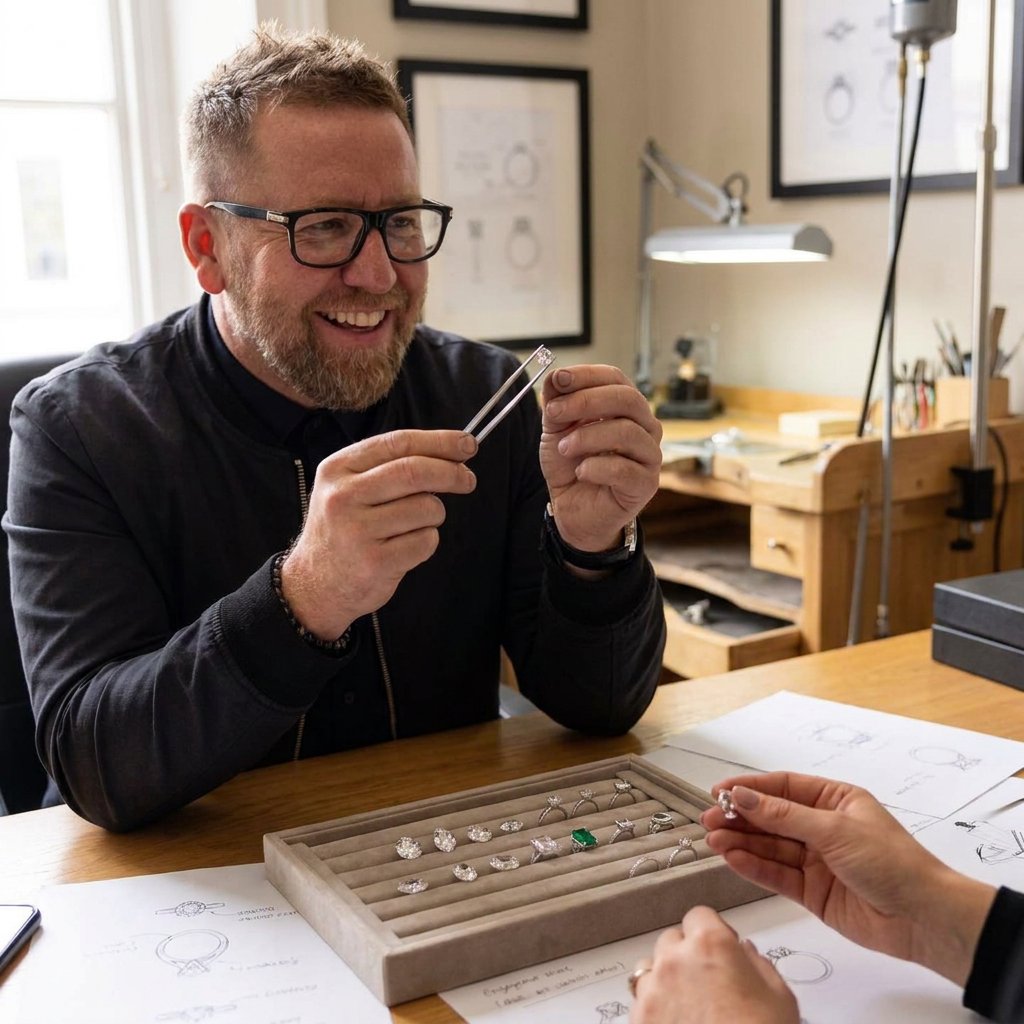
The shape of a diamond directly affects its light performance, which in turn impacts its appearance and appeal in different ring settings. For instance, the round brilliant diamond is known for its exceptional light reflection, making it the most popular choice for those seeking optimal sparkle and versatility across a variety of settings, such as solitaires or pavé bands. Conversely, the emerald cut diamond, with its larger, open table, does not produce as much brilliance but offers a sophisticated, clear view into the stone, highlighting its clarity and internal characteristics. This makes it an excellent choice for settings that prioritise a striking, vintage-inspired aesthetic.
In evaluating diamond shapes, consideration must be given to how these attributes align with the intended ring setting. A princess cut, with its contemporary square shape and sharp corners, pairs beautifully with modern designs, offering a bold and clean look that matches well with channel or bezel settings. Meanwhile, shapes like the oval or pear can add a touch of elegance by elongating the finger, effectively enhancing designs such as halo or split-shank settings. Appreciating these nuances enables a more informed decision, ensuring that the visual impact and personal style of the engagement ring meet your expectations.