
What is the difference between stacking rings and traditional wedding bands?
Stacking rings and traditional wedding bands differ primarily in their design and purpose. Traditional wedding bands are typically singular, understated pieces symbolising marriage, whereas stacking rings are versatile, allowing for the combination of multiple rings to create a unique and personalised look. This flexibility enables wearers to mix different styles, metals, and gemstones to reflect personal tastes or adapt to different occasions.
Stacking rings and traditional wedding bands serve distinct purposes and offer unique design opportunities. Traditional wedding bands are typically singular pieces that have been worn as a symbol of marriage across various cultures and epochs. They often boast a simpler, classic design, crafted to complement the engagement ring and to be worn comfortably daily. Crafted traditionally from precious metals like gold or platinum, wedding bands may sometimes feature subtle embellishments, but their primary role is to signify marital commitment.
By contrast, stacking rings provide a more customisable and versatile approach to jewellery. Stacking rings are designed to be collected and layered, allowing the wearer to curate a personal array of rings that can change depending on mood, occasion, or style preference. This flexibility is a hallmark difference—whereas a traditional wedding band is a singular purchase often representing a timeless style, stacking rings can include various designs, metals, and gemstones. This adaptability makes them particularly appealing for those who enjoy personalisation and uniqueness in their jewellery collection.
Functionally, stacking rings offer the wearer the ability to add to their collection over time. They create opportunities for anniversaries, milestones, or simply personal expression, with each additional ring symbolising a new chapter or facet of one’s life. Furthermore, stacking rings afford the opportunity for mixing and matching different widths, textures, and hues, offering both dynamic style evolution and the possibility to reflect current trends while maintaining personal significance.
It is worth noting that whether opting for a traditional band or a set of stacking rings, considerations around maintaining comfort, ensuring durability, and selecting high-quality craftsmanship remain vital. At Steven Charles Quance, we focus on bespoke designs and provide our clients with guidance on maintaining and caring for their jewellery, ensuring longevity irrespective of style choice.
Whether you are drawn to the enduring elegance of a traditional wedding band or the personalisation and modernity of stacking rings, our expert team stands ready to support you with tailored advice and a range of exquisite options to suit your preferences and lifestyle.
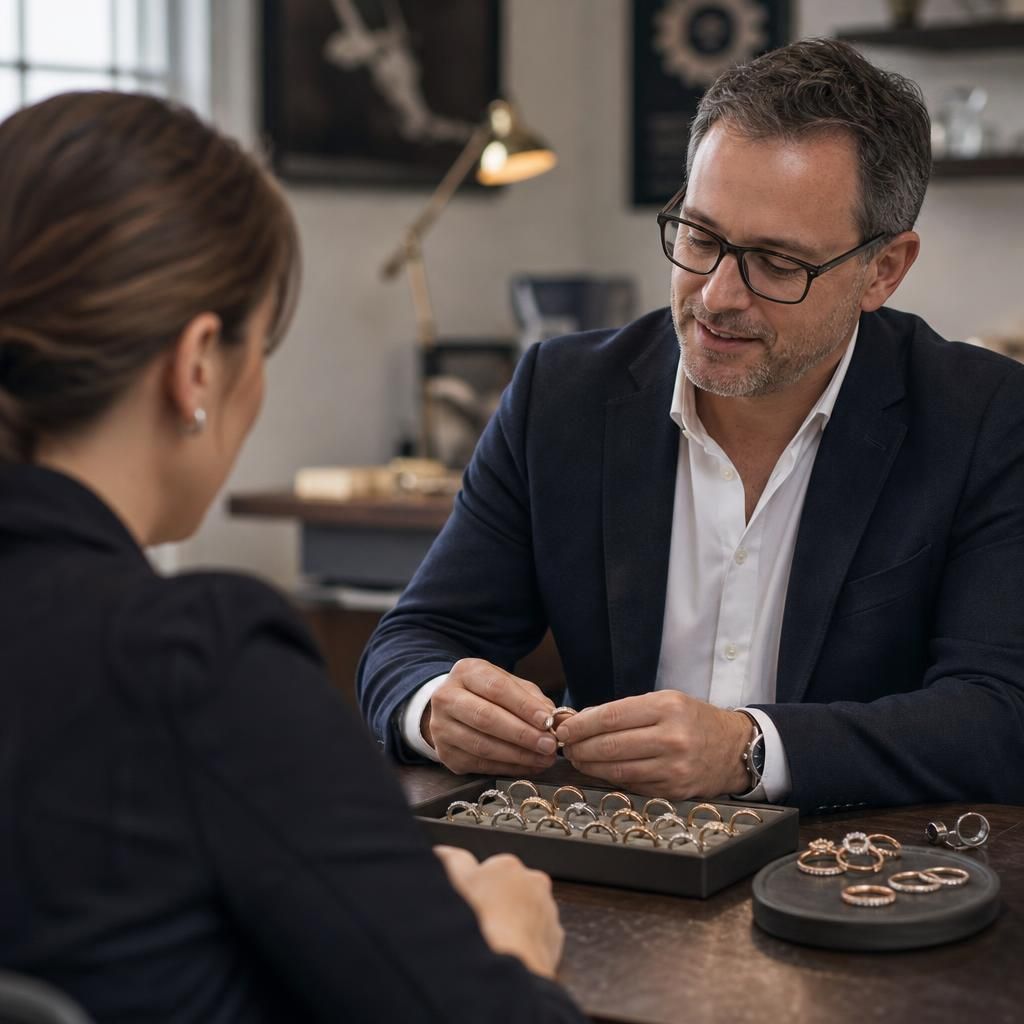
Design Diversity: One of the most significant distinctions between stacking rings and traditional wedding bands lies in their design diversity. Traditional wedding bands typically adhere to a classic, singular design that is often streamlined to symbolise the enduring nature of marriage. In comparison, stacking rings provide an opportunity for creative expression, as they can be mixed and matched to reflect personal style and contemporary trends.
When choosing between these two, consider your lifestyle and fashion preferences. While a traditional wedding band offers timeless appeal, stacking rings allow for a dynamic layering effect, meaning you can adjust your look according to mood or occasion. This adaptability is particularly useful for those who enjoy regularly updating their jewellery without committing to a single design.