
What factors influence lab grown diamond prices over time?
Lab grown diamond prices are influenced by factors such as production advancements, market demand, brand reputation, and raw material costs. Over time, production technologies have advanced, leading to more efficient processes and potentially lower costs, while changes in demand and perceptions of lab grown diamonds in comparison to natural ones can also affect pricing trends. Understanding these factors can guide your purchase decisions for unique and ethically sourced jewellery at Steven Charles Quance.
Lab grown diamond prices over time are primarily influenced by technological advancements, market demand, supply chain factors, and production costs. Technological innovation has been a significant driver in shaping the pricing landscape. As the methods to produce lab grown diamonds, such as Chemical Vapour Deposition (CVD) and High Pressure, High Temperature (HPHT), become more sophisticated and efficient, these advances lead to more cost-effective production processes. These efficiencies can, over time, reduce production costs and potentially lower prices for consumers.
Market demand plays a crucial role in influencing prices as well. As lab grown diamonds gain wider acceptance, particularly because of their ethical sourcing and environmentally friendly production methods, consumer demand fluctuates. This fluctuating demand can lead to variations in price. For instance, the perception shift among consumers towards viewing lab grown diamonds as equivalent alternatives to natural diamonds can drive demand up, potentially stabilising or increasing prices due to higher perceived value.
Additionally, the branding and reputation of the retailer or producer also impact costs. Companies with strong reputations in crafting bespoke jewellery, such as Steven Charles Quance, may add a premium for quality assurance and bespoke services, although they balance this with personalised service and expert advice, factors highly valued by discerning clientele.
Raw material costs, such as the price of carbon material used to grow these diamonds, can affect the price as well. Economic variables such as changes in energy costs, labour costs, and supply chain efficiencies also play parts in shaping overall pricing trends. Environmental concerns and growing awareness about sustainable practices further embed the desirability of lab grown diamonds, impacting their market dynamics.
For those seeking exquisite, custom-designed jewellery from Steven Charles Quance, understanding these factors allows informed decision-making, ensuring that bespoke pieces not only embody aesthetic excellence but also adhere to the values of ethical craftsmanship and innovation.
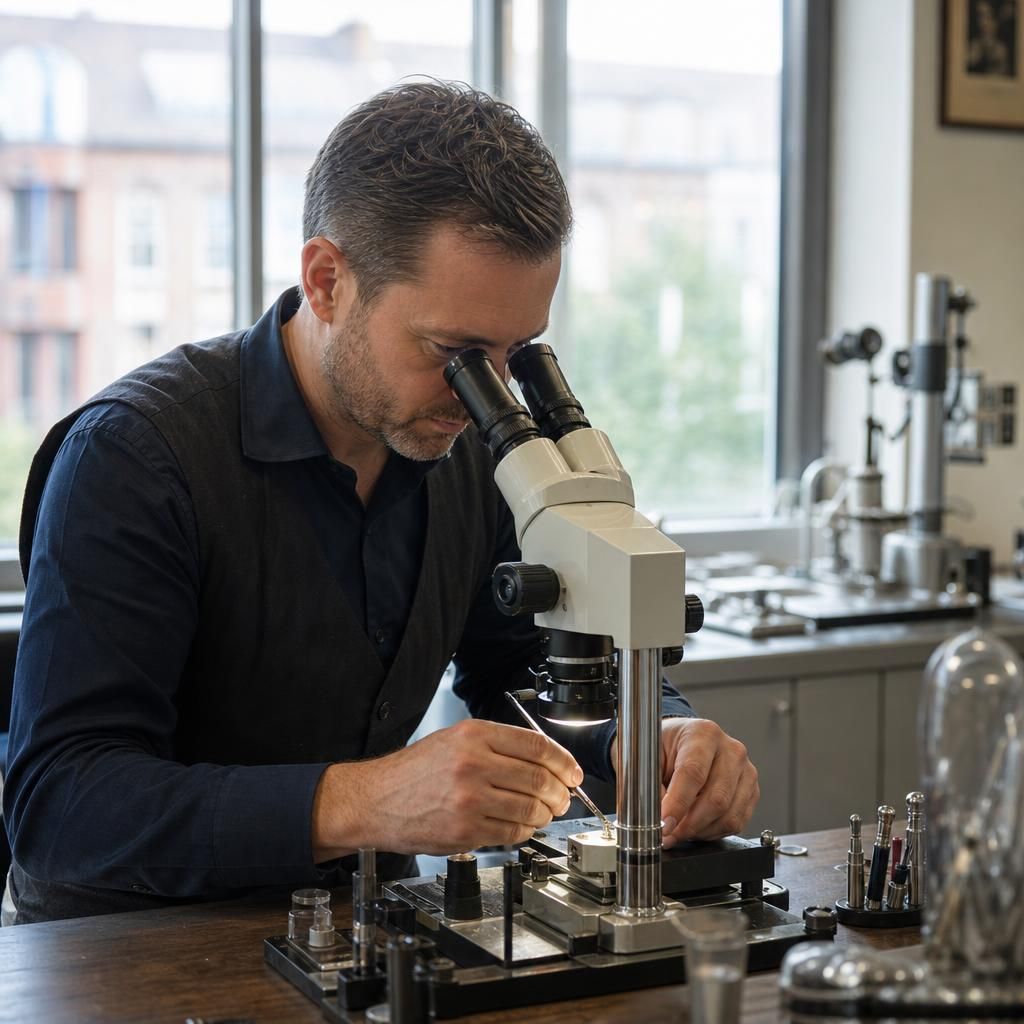
Technological advances in diamond production play a pivotal role in influencing lab grown diamond prices. As methods such as Chemical Vapour Deposition (CVD) and High Pressure, High Temperature (HPHT) continue to evolve, they become more efficient and cost-effective. This technological progression not only enhances the quality of lab grown diamonds but also contributes to reduced production costs over time. For jewellery enthusiasts seeking bespoke pieces, these advancements mean that high-quality lab grown diamonds from trusted sources like Steven Charles Quance can be procured at increasingly competitive prices. By staying informed about these technological trends, you can make well-informed investment decisions in ethically crafted jewellery.