How do different metal wedding bands affect allergic reactions and skin sensitivities?
When choosing a wedding band, it is crucial to consider how different metals can affect allergic reactions and skin sensitivities. Hypoallergenic metals like platinum, palladium, and titanium are favoured for their inert properties, reducing the likelihood of skin irritation for those prone to allergies. Conversely, metals containing nickel, often found in white gold and some lower-grade alloys, are more likely to trigger allergic reactions. For a comfortable and irritation-free experience, selecting a ring with a high percentage of pure metal and minimal alloy content is recommended.
Choosing the right metal for a wedding band is crucial, especially when considering potential allergic reactions and skin sensitivities. Hypoallergenic metals such as platinum, palladium, and titanium are excellent choices for those with sensitive skin. These metals have an inherent inertness and do not react with skin, significantly reducing the likelihood of irritation. Platinum, for example, is well-regarded not only for its luxury appeal but also for its skin-safe properties, making it an ideal choice for an allergy-friendly wedding band.
On the contrary, some metals like white gold and lower-grade alloys often contain nickel, a common allergen that can lead to contact dermatitis or other allergic reactions. White gold, while popular for its classic look, typically requires an alloy to achieve its colour, which may include nickel. For those with known metal allergies, opting for alternatives like palladium, which shares aesthetic similarities with white gold without the allergic risks, can be a wise choice.
Gold in its purest form, known as 24-carat gold, is less likely to cause skin irritations; however, it is quite soft and often alloyed with other metals for durability. Selecting high-carat gold, like 18-carat, may offer a balance between purity and practicality, reducing the risk of allergic reactions compared to lower-carat golds that contain more alloy content.
In addition to metal purity, the finish of the wedding band can also impact skin sensitivity. Polished metals with smooth surfaces are less likely to abrade skin, whereas textured finishes might exacerbate irritation in sensitive regions. Regular aftercare, such as cleaning and inspecting the ring for any signs of wear that might expose reactive alloys, can help maintain both the beauty and comfort of the jewellery.
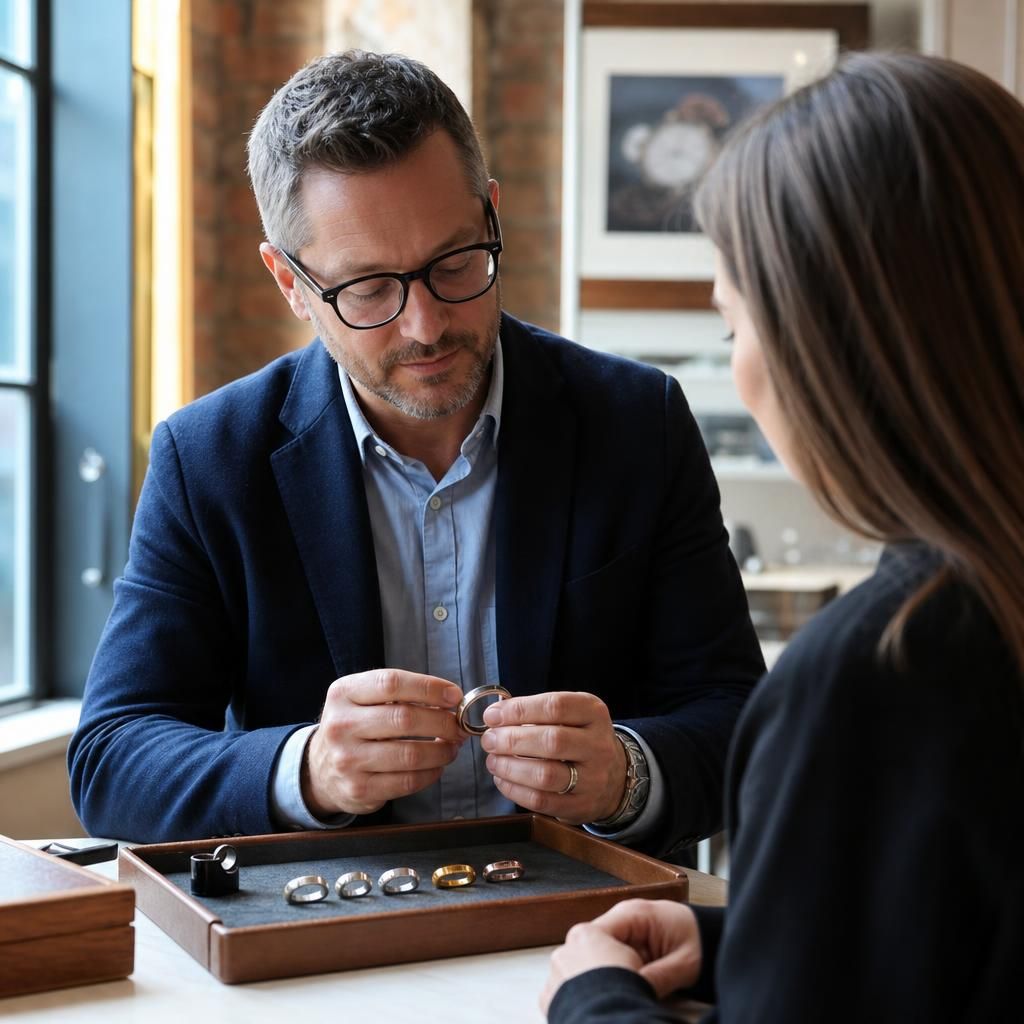
When selecting a wedding band, it is helpful to consult with a jeweller who understands the nuances of metal composition and can provide informed recommendations based on your specific needs. At Steven Charles Quance, we are committed to delivering exceptional guidance, ensuring your wedding band is both exquisite and suited to your skin’s sensitivity.
Understanding the properties of different metals ensures that your wedding band is not only aesthetically appealing but also comfortable for extended wear. Hypoallergenic metals such as platinum, palladium, and titanium are renowned for their inert characteristics, making them ideal for individuals with sensitive skin. These metals do not easily tarnish or corrode, reducing the likelihood of skin irritation. By choosing metals that do not contain common allergens, you can enjoy your jewellery without concern for adverse reactions. Conversely, certain alloys, notably those containing nickel, can cause contact dermatitis for sensitive individuals. Pre-empting such reactions by opting for high-purity metals or consulting with a specialist jeweller can help ensure that your choice remains skin-friendly over time.