
What considerations should be made when choosing wedding band metals based on lifestyle and daily activities?
When choosing wedding band metals based on lifestyle and daily activities, consider factors such as durability, maintenance needs, and potential for wear. Metals like platinum and palladium offer excellent scratch resistance, ideal for individuals with active lifestyles. Conversely, softer metals like gold may require more frequent upkeep if exposed to rigorous conditions. Furthermore, assess any potential skin sensitivities you might have towards certain metals, ensuring both comfort and longevity in your choice of wedding band.
Choosing the right metal for your wedding band requires careful consideration of your lifestyle and daily activities to ensure both comfort and longevity. Individuals engaged in physically demanding professions or those with an active lifestyle may benefit from metals known for their resilience, such as platinum or palladium. These metals not only offer a high degree of scratch resistance but are also known for their hypoallergenic properties, making them suitable for those with sensitive skin. In contrast, if your daily routine is comparatively gentle on jewellery, traditional metals like gold might align well with your preferences, although they do necessitate more cautious handling due to their softer nature.
Metals like titanium and tungsten have gained popularity due to their lightweight and durable characteristics, making them a practical choice for those with hands-on jobs or hobbies. However, it’s essential to note that while these metals provide excellent scratch resistance, they can be challenging to resize. Thus, long-term considerations should include potential changes to ring size over the years, wherein more malleable metals such as gold, platinum, and palladium allow for easier adjustments.
It’s also crucial to think about the maintenance needs associated with your chosen metal. For example, white gold bands may require periodic rhodium plating to maintain their lustre, particularly if exposed to harsh conditions. Alternatively, if minimal maintenance is a priority, platinum might be preferable due to its enduring polish and naturally occurring white hue, which does not fade over time.
Ultimately, your choice of wedding band metal should reflect not only your aesthetic preferences but your lifestyle demands and long-term expectations for wear and care. At Steven Charles Quance, we offer personalised consultations to help you make an informed decision, taking into account all aspects of your daily routine and future aspirations. Our expertise in crafting custom designs guarantees a bespoke piece that harmoniously balances style, durability, and comfort.
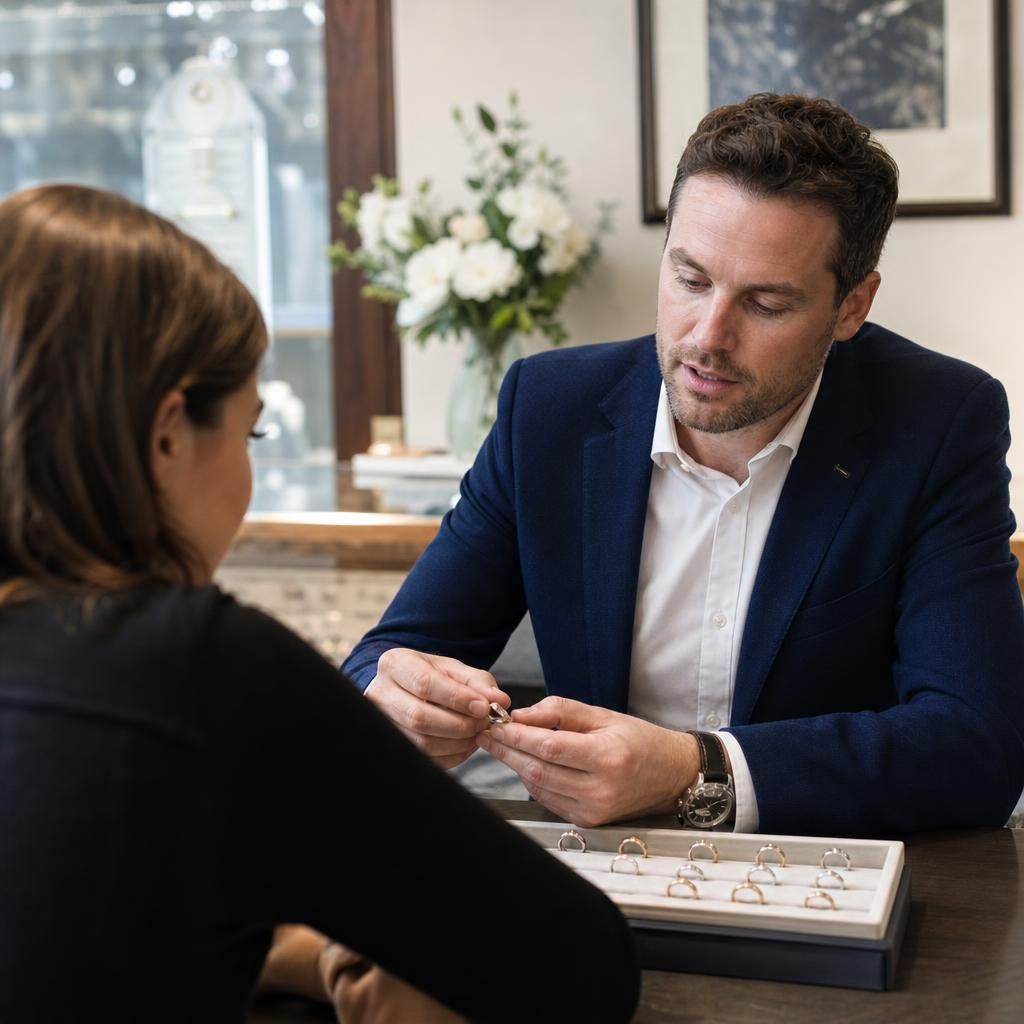
When selecting wedding band metals that align with your lifestyle and daily activities, one pivotal consideration is the metal’s resistance to tarnishing and corrosion. People active in environments where the ring is frequently exposed to water or chemicals, such as those working in healthcare or culinary professions, will benefit from metals with superior tarnish resistance. Platinum and palladium are excellent choices in these cases, offering remarkable resilience against oxidation; they maintain their lustre without requiring extensive care. Conversely, metals like silver and some types of white gold can be more susceptible to tarnishing and might demand regular cleaning and upkeep to preserve their brilliance. Furthermore, the choice of a tarnish-resistant metal supports the longevity and visual appeal of the wedding band, ensuring continued satisfaction with less maintenance over the years. At Steven Charles Quance, we understand these nuanced requirements and are committed to crafting a piece that perfectly complements and withstands the dynamics of your everyday life.